
Transforming Dining Spaces: The Art of Restaurant Interior Design
The ambiance of a restaurant can make or break the dining experience. A well-designed interior not only attracts customers but also enhances their overall enjoyment and satisfaction. In the competitive food industry, restaurant interior design has become a crucial element in establishing a brand identity and creating a unique dining experience. This article delves into the key aspects of restaurant interior design, exploring trends, practical tips, and the psychological impact of design choices.
Understanding the Importance of Restaurant Interior Design
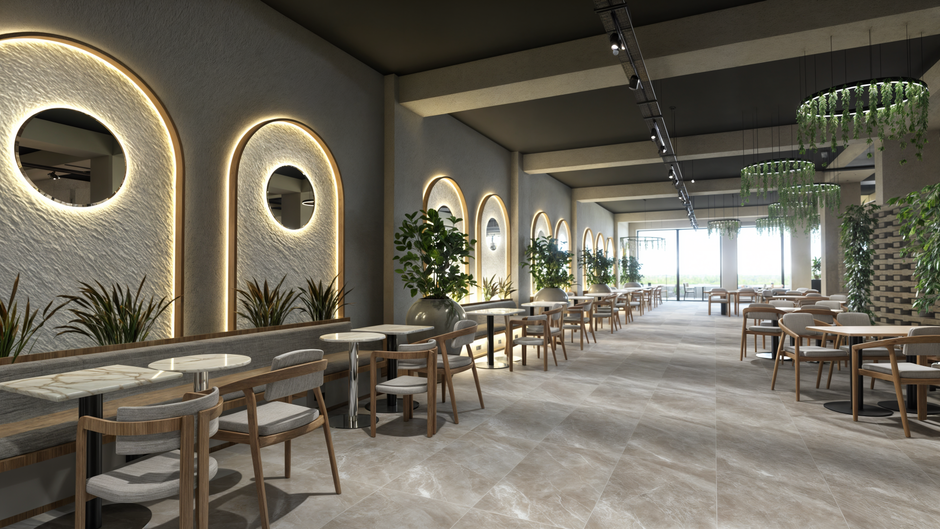
Restaurant interior design is more than just aesthetics; it plays a vital role in shaping customer perceptions and behaviors. Research shows that a well-thought-out interior can influence how long diners stay in a restaurant and how much they spend. For instance, a cozy and inviting atmosphere encourages guests to linger longer, potentially leading to higher sales. Furthermore, the design elements can convey a restaurant’s theme and culinary style, setting the tone before the menu is even viewed.
One significant study revealed that 70% of consumers are influenced by the restaurant’s atmosphere when deciding where to eat. This highlights the necessity for restaurateurs to invest in quality interior design. The combination of lighting, color schemes, furniture, and decor creates an environment that can resonate with the target audience, making it essential to align these elements with the brand’s identity.
Key Elements of Effective Restaurant Interior Design
When embarking on a restaurant interior design project, several key elements should be considered:
1. Layout and Space Planning: The flow of the restaurant is critical. A well-planned layout accommodates the movement of staff and guests, ensuring efficiency and comfort. For example, the placement of tables should allow for easy access for servers while maintaining an intimate atmosphere for diners.
2. Lighting: Lighting sets the mood of the restaurant. Soft, warm lighting can create a relaxed ambiance, while bright lights can energize the space. Incorporating layers of lighting—ambient, task, and accent—can enhance the overall design and the dining experience.
3. Color Palette: Colors evoke emotions and can significantly impact diners’ feelings. For instance, warm colors like red and orange can stimulate appetite, while cooler tones like blue can create a calming effect. Choosing the right color palette is crucial in aligning with the restaurant’s theme and target demographic.
Current Trends in Restaurant Interior Design
As with any design field, restaurant interior design is subject to trends that reflect changing consumer preferences and cultural influences. Here are some of the current trends making waves in the industry:
1. Sustainable Design: Environmentally-friendly materials and practices are becoming increasingly popular. Restaurants are opting for recycled materials, energy-efficient lighting, and sustainable furniture to appeal to eco-conscious consumers.
2. Open Kitchens: Transparency in the kitchen fosters trust and excitement. Open kitchen designs allow diners to see their food being prepared, creating a unique experience that can enhance their connection to the meal.
3. Biophilic Design: Incorporating elements of nature, such as plants and natural light, can significantly improve the dining atmosphere. Biophilic design not only beautifies the space but also promotes well-being among diners.
Creating a Unique Experience Through Design
A restaurant’s interior design should reflect its unique brand identity. This means going beyond generic design choices and creating a space that tells a story. For example, a farm-to-table restaurant may incorporate rustic elements like reclaimed wood and vintage farm tools to reinforce its commitment to fresh, local ingredients.
Moreover, engaging with local artists for artwork or design accents can create a sense of community and authenticity. This not only beautifies the space but also creates a unique selling point that differentiates the restaurant from competitors.
To further enhance the dining experience, consider the use of technology in design. Integrating smart systems for lighting and sound can allow for flexibility in creating different moods throughout the day, catering to various dining experiences, from casual brunches to elegant dinners.
Conclusion
In conclusion, restaurant interior design is a multifaceted aspect that significantly impacts customer experience and business success. By understanding the importance of design elements, staying updated with current trends, and creating a unique atmosphere, restaurateurs can elevate their establishments and satisfy their clientele. Investing in professional help, such as a firm specializing in restaurant interior design, can also provide valuable insights and execution for creating a memorable dining space that resonates with diners.