
Transforming Spaces: The Art of Restaurant Interior Design
In the competitive landscape of the food industry, the ambiance of a restaurant plays a crucial role in attracting and retaining customers. A well-thought-out interior design can enhance the dining experience, making it not just about the food but also about the overall atmosphere. This article delves into the essential elements of restaurant interior design, exploring trends, functionality, and the psychological impact of space on customer satisfaction.
The Importance of Atmosphere
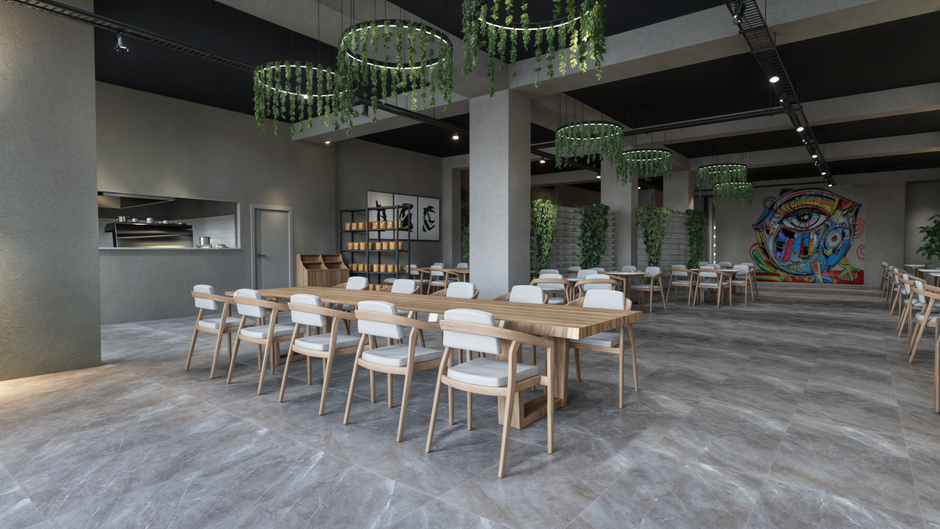
Atmosphere is a key component that influences a customer’s dining experience. Studies show that a well-designed interior can increase customer satisfaction by over 30%. Factors such as lighting, color scheme, and layout contribute significantly to the ambiance. For instance, warm lighting can create an intimate setting, while bright colors may evoke energy and excitement. Understanding the psychology behind colors and lighting can help restaurant owners make informed decisions about their interior design.
Moreover, the flow of space is essential. Customers prefer a layout that is easy to navigate, which can enhance their overall experience. Ensuring that tables are spaced appropriately not only allows for privacy but also facilitates efficient service. A well-planned layout can significantly affect how long customers choose to stay and, consequently, how much they spend.
Current Trends in Restaurant Interior Design
The restaurant industry is ever-evolving, and so are the design trends. One prominent trend is the incorporation of sustainable materials. With growing awareness of environmental issues, many restaurants are opting for eco-friendly designs that utilize reclaimed wood, recycled metal, and other sustainable resources. This not only appeals to environmentally conscious consumers but also adds a unique aesthetic to the space.
Another trend is the rise of open kitchen concepts. This design choice allows diners to see their food being prepared, creating a sense of transparency and engagement. It also fosters a lively atmosphere, as the sounds and sights of cooking add to the overall dining experience. Restaurants that embrace this concept often report increased customer interest and satisfaction.
The Role of Branding in Design
Interior design is not just about aesthetics; it is also a powerful branding tool. A restaurant’s interior should reflect its brand identity and values. For example, a high-end dining establishment may opt for elegant furnishings and subdued colors, while a casual eatery might choose vibrant decor and playful elements. This alignment helps to create a cohesive experience for the customer.
Incorporating elements of the restaurant’s story into the design can also provide a unique touch. For instance, a restaurant that focuses on locally sourced ingredients may display art or decor that reflects the local culture and community. This connection not only enhances the dining experience but also builds a loyal customer base.
Practical Considerations for Successful Design
While creativity is essential in restaurant interior design, practical considerations cannot be overlooked. Budget constraints often play a significant role in the design process. It is crucial for restaurant owners to balance aesthetic desires with financial realities. Working with experienced designers can help ensure that the space is both visually appealing and functional, without exceeding budget limits.
Additionally, the choice of furniture and fixtures should be durable and easy to maintain. In a busy restaurant environment, wear and tear can occur quickly. Therefore, investing in high-quality materials that can withstand daily use is vital for long-term success.
Conclusion: Designing for Success
In conclusion, restaurant interior design is a multifaceted process that requires careful consideration of various elements, including atmosphere, trends, branding, and practicality. A well-designed space can significantly impact customer satisfaction and ultimately drive business success. By staying informed about current trends and understanding the importance of a cohesive brand experience, restaurant owners can create environments that not only attract customers but also encourage them to return. For those looking to elevate their dining spaces, exploring professional resources in restaurant interior design can provide valuable insights and inspiration.