
Creating the Perfect Ambiance: Insights into Restaurant Interior Design
In the modern culinary world, the interior design of a restaurant plays a pivotal role in shaping customer experiences and influencing their dining choices. Beyond just aesthetics, effective restaurant interior design can enhance functionality, improve customer satisfaction, and even boost profitability. This article delves into the essential elements, trends, and practical advice for creating an inviting and memorable dining environment.
Understanding the Importance of Restaurant Interior Design
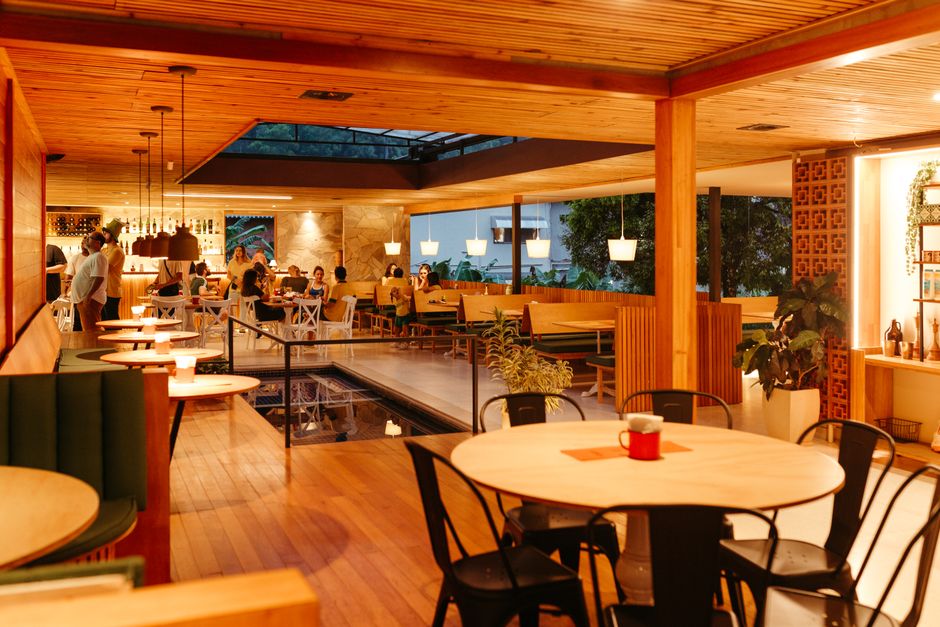
The interior design of a restaurant is more than just decoration; it is the backbone of the dining experience. Research indicates that over 30% of diners make their decision to return based on the ambiance alone. A well-designed space can evoke emotions, create comfort, and establish a brand identity. For instance, a fine dining restaurant might opt for a luxurious and intimate atmosphere, while a casual eatery may choose a vibrant and lively decor. Understanding these nuances is essential for any restaurant owner.
Furthermore, the layout and flow of a restaurant are crucial components of interior design. An efficient flow ensures that both staff and guests can navigate the space easily, which is vital during peak hours. A study by the National Restaurant Association found that 70% of customers prefer restaurants with an open layout, allowing a sense of community while dining. This trend reinforces the need for thoughtful design in creating a comfortable and welcoming environment.
Key Elements of Effective Restaurant Interior Design
Several key elements contribute to a successful restaurant interior design. Lighting, color schemes, furniture selection, and decor all play a significant role in setting the mood. For example, warm lighting can create a cozy atmosphere, while bright colors can energize the space. Selecting the right furniture is equally important; it should be comfortable yet functional, accommodating guests without overcrowding the space.
A notable example of successful interior design is the renowned restaurant chain Nandos, which uses bold colors and unique decor to reflect its brand identity. The combination of vibrant design elements and functional layouts has helped Nandos become a favorite among diners worldwide. Achieving this synergy between aesthetics and functionality is the goal of any restaurant interior design project.
Current Trends in Restaurant Interior Design
The restaurant industry is always evolving, and so are the trends in interior design. One of the most prominent trends is the incorporation of sustainability into restaurant design. Many establishments are now focusing on eco-friendly materials, energy-efficient lighting, and sustainable practices. This not only appeals to environmentally conscious consumers but also enhances the restaurant’s brand image.
Another trend gaining momentum is the use of technology in design. Interactive menus, digital displays, and smart lighting systems are being integrated into the dining experience. For instance, restaurants like Eataly have embraced technology to create an immersive experience for diners, blending traditional dining with modern innovation. Such advancements are reshaping how restaurants engage with their customers and enhance their overall experience.
Practical Tips for Restaurant Owners
For restaurant owners looking to revamp or design their space, several practical tips can help guide the process. First, it is essential to define the restaurant’s concept clearly. The interior design should reflect the cuisine and dining experience offered, establishing a coherent brand identity. Conducting market research to understand customer preferences can also provide valuable insights.
Additionally, working with professional designers can help bring ideas to life effectively. Engaging experts in restaurant interior design can ensure that the space is optimized for functionality while also being aesthetically pleasing. Professionals can also assist in navigating local regulations and codes that may impact the design process.
Conclusion: The Future of Restaurant Interior Design
As the restaurant industry continues to evolve, so will the trends and practices surrounding interior design. The focus on creating unique, memorable dining experiences will only grow, driven by consumer demands for personalization and engagement. By understanding the importance of effective interior design, restaurant owners can create spaces that not only attract customers but also foster loyalty and enhance overall satisfaction.