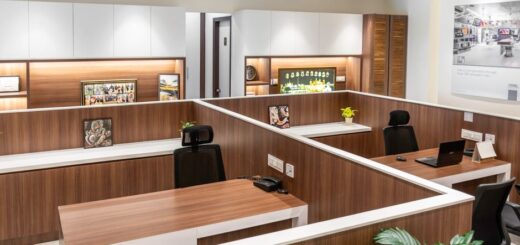
Transforming Spaces: The Art of Commercial Interior Design
In the fast-paced world of business, the significance of a well-designed commercial space cannot be overstated. From retail stores to corporate offices, the environment in which people work and shop has a profound impact on their experiences and, ultimately, the success of a business. Commercial interior designers play a critical role in shaping these environments, ensuring they are not only functional but also aesthetically pleasing. This article explores the multifaceted world of commercial interior design, highlighting its importance, key elements, and trends that are shaping the industry today.
The Role of Commercial Interior Designers
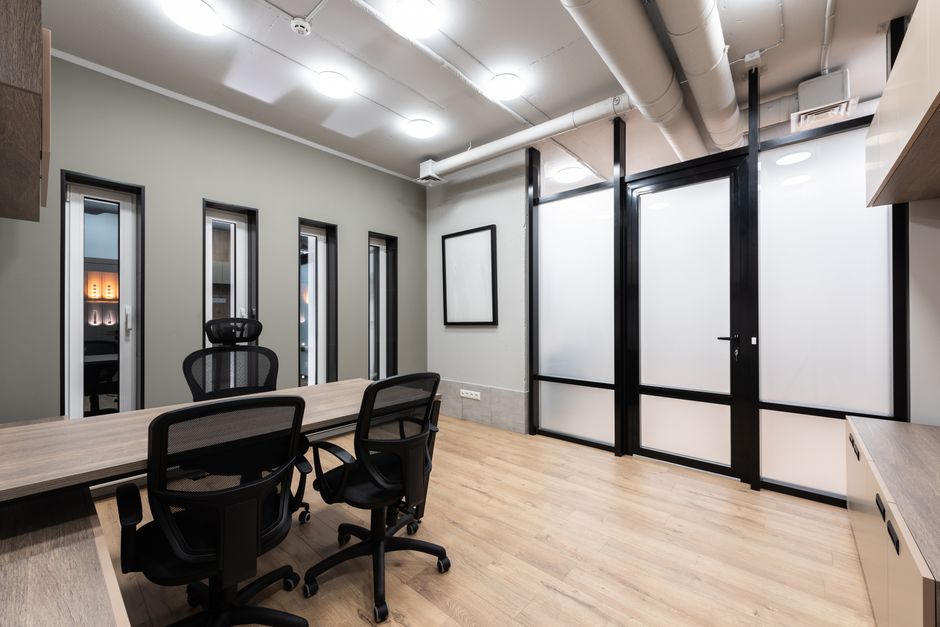
Commercial interior designers are professionals who specialize in creating functional and attractive interior spaces for businesses. They work closely with clients to understand their needs, brand identity, and the specific requirements of the space. The role of a commercial interior designer goes beyond mere decoration; it involves strategic planning and design to enhance productivity, improve employee morale, and create an inviting atmosphere for customers.
One of the primary responsibilities of a commercial interior designer is to ensure that the design aligns with the client’s vision and goals. This includes selecting appropriate materials, colors, and furnishings that reflect the brand’s identity. Additionally, designers must adhere to building codes and regulations, ensuring that the space is safe and accessible for everyone.
Moreover, these professionals often collaborate with architects, engineers, and contractors to bring their designs to life. Their expertise in spatial planning and knowledge of design principles allows them to create layouts that maximize the use of space while promoting efficiency.
Key Elements of Effective Commercial Interior Design
Effective commercial interior design comprises several key elements that contribute to the overall success of a space. These elements include functionality, aesthetics, branding, and sustainability.
Functionality is essential in commercial spaces, as the design must accommodate the specific needs of the business. For instance, an office layout should promote collaboration and communication, while a retail store should guide customers through a seamless shopping experience.
Aesthetics play a crucial role in creating an inviting atmosphere. Colors, textures, and lighting can significantly influence a customer’s perception of a brand. For example, warm colors and soft lighting can create a cozy environment in a café, while sleek, modern designs can convey professionalism in a corporate office.
Branding is another vital aspect of commercial interior design. The design should reflect the company’s identity and values, helping to establish a connection with customers. For instance, a tech company might opt for an innovative design with cutting-edge technology integrated into the workspace, while a traditional law firm may choose a more classic, refined look.
Lastly, sustainability is becoming increasingly important in commercial interior design. Designers are now focusing on eco-friendly materials and energy-efficient solutions to minimize the environmental impact of their projects. This not only benefits the planet but also appeals to the growing number of consumers who prioritize sustainability.
Current Trends in Commercial Interior Design
The commercial interior design landscape is constantly evolving, influenced by changing consumer preferences, technological advancements, and societal shifts. Some of the current trends shaping the industry include biophilic design, flexible workspaces, and the integration of technology.
Biophilic design emphasizes the connection between nature and indoor environments. Incorporating natural elements such as plants, natural light, and organic materials can enhance well-being and productivity. Businesses are increasingly recognizing the benefits of creating a more natural atmosphere in their spaces, leading to improved employee satisfaction and customer experiences.
Another trend is the rise of flexible workspaces. With the growing popularity of remote work and the need for adaptable environments, many companies are redesigning their offices to accommodate various work styles. This includes creating collaborative areas, quiet zones, and multi-functional spaces that can be easily reconfigured as needed.
The integration of technology is also a significant trend in commercial interior design. Smart building solutions, such as automated lighting and climate control systems, are enhancing the functionality of commercial spaces. Additionally, designers are incorporating technology into the aesthetic elements of a design, such as digital displays and interactive installations, to create engaging environments.
Choosing the Right Commercial Interior Designer
When selecting a commercial interior designer, businesses should consider several factors to ensure they find the right fit for their project. First, it is essential to review the designer’s portfolio, looking for examples of their previous work that align with the desired style and vision.
Additionally, businesses should assess the designer’s experience and expertise in the specific type of project they require. For instance, a designer with a background in retail spaces may not be the best choice for an office redesign.
Communication is another critical factor. A successful partnership between the designer and the client relies on open dialogue and collaboration. It is essential to choose a designer who is willing to listen to the client’s needs and incorporate their feedback throughout the design process.
Lastly, budget considerations are crucial. It is important to discuss the project’s budget upfront to ensure that the designer can deliver a solution that meets both the aesthetic and financial requirements of the business. By finding a balance between quality and cost, businesses can achieve a successful outcome without compromising on their vision.
Conclusion
Commercial interior design is a vital component of creating effective and engaging spaces for businesses. Through careful planning, creativity, and attention to detail, commercial interior designers can transform environments that enhance productivity, reflect brand identity, and improve customer experiences. As trends continue to evolve, the role of the designer will remain crucial in navigating the complexities of modern commercial spaces. For those looking to make the most of their interior environments, partnering with a skilled commercial interior designer can lead to remarkable transformations that drive success and satisfaction.