
Transforming Ideas into Reality with 3D Rendering Services
In today’s fast-paced digital world, the demand for visually engaging content has never been higher. Businesses across various sectors are realizing the importance of presenting their ideas in a visually appealing manner. Among the tools that facilitate this transformation is 3D rendering services, which have revolutionized the way products and concepts are visualized. From architects to product designers, everyone is leveraging this technology to enhance their storytelling.
The Evolution of 3D Rendering
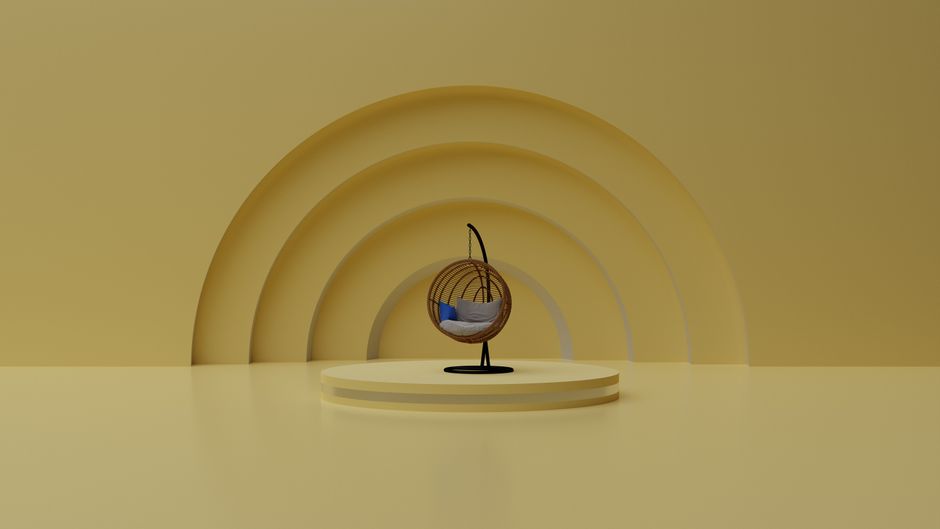
3D rendering has come a long way since its inception. Initially used in specialized fields like architecture and engineering, it has now penetrated various industries, including entertainment, gaming, and marketing. The advancement in computer graphics technology and rendering software has made it possible to create highly realistic and detailed images that were once the domain of skilled artists.
According to a recent survey, over 75% of architects and designers believe that 3D rendering significantly enhances their ability to communicate ideas to clients. This statistic underscores the technology’s importance in the design process. As software becomes more accessible and user-friendly, even small businesses can now afford to utilize 3D rendering services to showcase their products effectively.
The integration of virtual reality (VR) and augmented reality (AR) with 3D rendering is another exciting development. This combination allows clients to experience designs in immersive environments, providing a more tangible sense of scale and detail.
Benefits of 3D Rendering Services
One of the primary advantages of utilizing 3D rendering services is the ability to visualize concepts before they are built. This not only saves time but also reduces costs associated with revisions and changes. For instance, a product designer can create multiple iterations of a design without the need for physical prototypes, which can be both time-consuming and expensive.
Moreover, 3D rendering enables better marketing strategies. Companies can produce high-quality images and animations for advertising purposes, which significantly increases audience engagement. A study found that products presented with 3D visuals are 80% more likely to be purchased compared to those with standard images.
Furthermore, 3D renderings can also be utilized in presentations, making it easier to communicate intricate ideas to stakeholders. The visual impact of a well-designed 3D rendering can often convey ideas more effectively than words alone.
Industry Applications of 3D Rendering
3D rendering services find applications across various sectors. In real estate, for example, agents often use 3D renderings to showcase properties that are still under construction. This strategy allows potential buyers to visualize the end product and make informed decisions early in the process.
The product design industry also benefits immensely from 3D rendering. Designers can create lifelike representations of their products, providing clients with a clear understanding of features and functionalities before the manufacturing process begins. This practice not only enhances customer satisfaction but also helps in gathering valuable feedback for further refinement.
In the entertainment industry, 3D rendering is crucial for creating realistic animations and visual effects. Filmmakers can create entire worlds and characters without the constraints of physical sets, leading to more creative storytelling.
Choosing the Right 3D Rendering Service
When selecting a 3D rendering service provider, several factors should be considered. First and foremost, assess their portfolio to ensure that their style aligns with your vision. Look for a provider that has experience in your specific industry, as they will better understand your needs and expectations.
Additionally, consider the technology and software they use. A company that utilizes the latest rendering technology will likely produce higher quality visuals. It’s also essential to evaluate their turnaround time and communication process to ensure that your project is completed efficiently.
Lastly, don’t forget to inquire about pricing structures. While it’s crucial to stay within budget, remember that higher quality often comes at a premium. Investing in good 3D rendering services can yield significant returns in terms of client engagement and satisfaction.
The Future of 3D Rendering
The future of 3D rendering services looks promising, with continuous advancements in technology driving the industry forward. The integration of artificial intelligence (AI) is expected to enhance rendering speeds and quality, allowing for even more realistic outputs.
Moreover, as remote work becomes more commonplace, the demand for virtual presentations and online marketing content will likely increase. Businesses will continue to seek innovative ways to engage clients, and 3D rendering will be at the forefront of these efforts.
The potential for interactive 3D content is also on the rise. As web technologies evolve, clients will be able to interact with 3D models in real-time, providing a unique and engaging experience that static images cannot offer.
Conclusion
In conclusion, 3D rendering services are a powerful tool that can transform ideas into stunning visual representations. As technology continues to evolve, the applications and benefits of 3D rendering will only grow. By leveraging these services, businesses can enhance their marketing strategies, improve client communication, and ultimately drive success. For those looking to invest in high-quality visual solutions, exploring a reliable 3D rendering service is a step towards elevating their brand and offerings.