
Transforming Spaces: The Art of Commercial Interior Design
In the competitive world of business, the environment in which work takes place can significantly influence productivity, creativity, and employee satisfaction. This is where the expertise of a commercial interior designer becomes invaluable. By understanding the unique needs of various industries, these professionals craft spaces that not only reflect a brand’s identity but also enhance functionality and employee well-being.
The Role of a Commercial Interior Designer
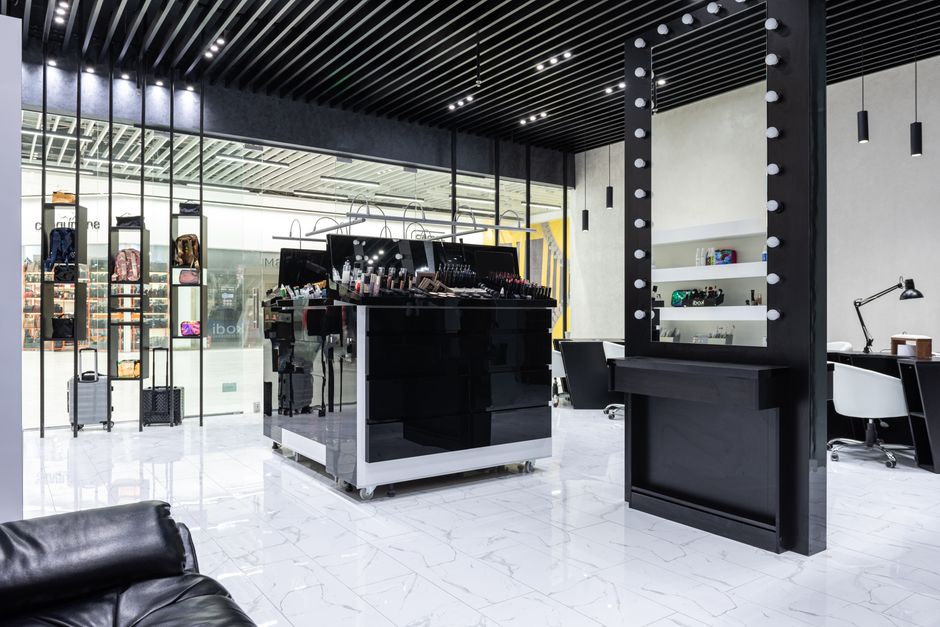
A commercial interior designer is responsible for planning and executing interior spaces in commercial settings such as offices, restaurants, retail stores, and more. Their role goes beyond mere aesthetics; they must also consider safety regulations, accessibility standards, and the overall flow of the space. The designer’s understanding of space utilization can transform a dull and cramped area into an inspiring and efficient working environment.
For instance, a well-designed office space can foster collaboration and communication among employees. By incorporating open spaces, comfortable breakout areas, and adjustable workstations, a designer can create an environment that promotes teamwork and innovation. One notable example is the redesign of the headquarters of a leading tech company, where the implementation of flexible working zones resulted in a 20% increase in employee satisfaction.
Design Trends in Commercial Spaces
Commercial interior design is constantly evolving, with new trends emerging that reflect changing work habits and societal values. One significant trend is the incorporation of sustainability into design. Many businesses are now opting for eco-friendly materials, energy-efficient lighting, and designs that promote natural light. This not only benefits the environment but also creates a healthier space for employees.
Another trend is the emphasis on biophilic design, where natural elements are integrated into the workspace to enhance employee well-being. This can include living walls, indoor plants, and natural materials like wood and stone. Research has shown that biophilic design can reduce stress and increase productivity by up to 15%. A prime example is a financial institution that incorporated a rooftop garden and large windows overlooking a park, resulting in a significant decrease in employee turnover.
Understanding Client Needs
Successful commercial interior design starts with a thorough understanding of the client’s needs and objectives. Designers often conduct detailed assessments and interviews to gather insights into the company’s culture, employee demographics, and functional requirements. This information is crucial for creating a design that aligns with the client’s vision.
For instance, a startup company looking to attract young talent may prioritize a vibrant and dynamic workspace. In contrast, a law firm might prefer a more traditional and formal setting. By tailoring the design approach to meet specific client needs, commercial interior designers can ensure that the final result is not only visually appealing but also practical and effective.
Implementing the Design Process
The design process typically involves several stages, starting from conceptualization to the final execution. After understanding the client’s requirements, designers create mood boards and renderings to visualize the proposed design. This collaborative phase allows for adjustments based on client feedback.
Once the design is approved, the implementation phase begins. This involves coordinating with contractors, sourcing materials, and overseeing the installation process. Effective project management is essential to ensure that the project stays on schedule and within budget. A well-executed project can lead to enhanced brand reputation and customer satisfaction.
The Future of Commercial Interior Design
As businesses continue to adapt to new challenges and changes in work environments, the role of commercial interior designers will become even more critical. The rise of remote work and hybrid models will require innovative design solutions that accommodate both in-office and remote employees.
Moreover, advancements in technology will further influence design practices. From virtual reality walkthroughs to AI-driven design tools, the future of commercial interior design promises to be more efficient and engaging than ever before. A commercial interior designer who stays abreast of these trends will be well-positioned to help businesses thrive in their respective industries.
Conclusion
In conclusion, the importance of commercial interior design cannot be overstated. It plays a vital role in shaping the work environment, influencing employee productivity, and enhancing brand identity. As trends continue to evolve, the expertise of a professional designer will be crucial in navigating the complexities of modern commercial spaces. By understanding client needs and implementing innovative design solutions, commercial interior designers will continue to transform the way we experience work.