
The Art and Science of Music Video Production
In the world of entertainment, music videos serve not only as a promotional tool for songs but also as a vibrant canvas for artistic expression. The production of a music video involves a meticulous blend of creativity, technical skills, and strategic planning. As artists strive to create compelling narratives and visuals that resonate with their audience, understanding the intricacies of music video production becomes essential.
The Pre-Production Phase
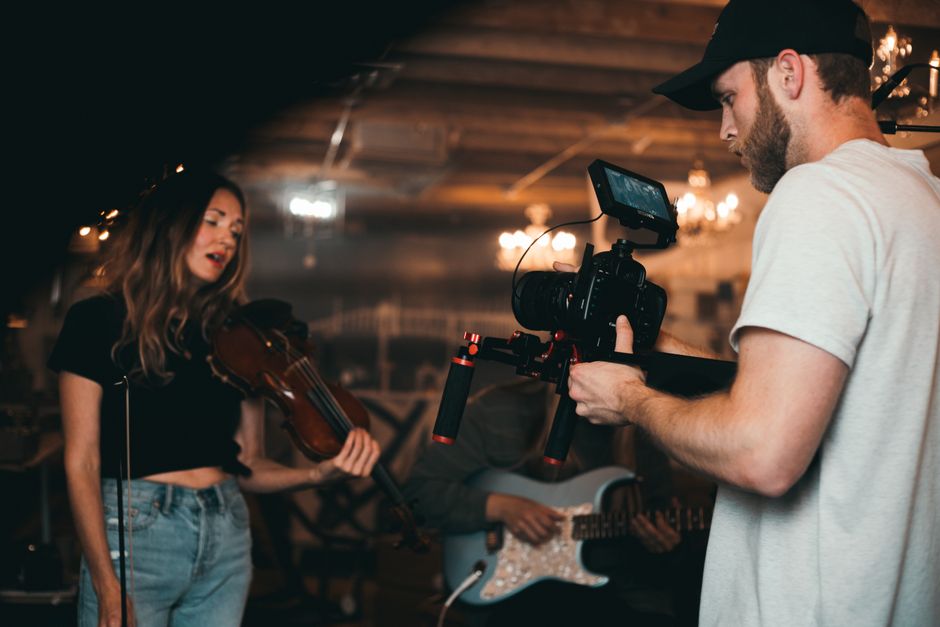
The journey of creating a music video begins long before the cameras start rolling. Pre-production is a critical phase that lays the groundwork for the entire project. During this stage, concepts are brainstormed, budgets are established, and storyboards are crafted. A clear vision helps streamline the process and aligns the creative team with the artist’s goals.
One of the first steps is to develop a concept that reflects the essence of the song. This could involve crafting a storyline, establishing a theme, or even integrating visual motifs that appear throughout the video. For instance, if the song has a nostalgic feel, the visuals might incorporate vintage aesthetics or references to past eras. Moreover, assembling a talented team is crucial; directors, cinematographers, choreographers, and production designers all play vital roles in bringing the vision to life.
Additionally, budgeting is a crucial consideration. Music video production costs can vary significantly depending on the complexity of the project. On average, independent artists might spend anywhere from a few thousand to tens of thousands of dollars on a music video. Funding sources can include record labels, crowdfunding, or personal investments. Understanding your budget will dictate the scale of your production and the resources available.
Filming Techniques and Equipment
Once pre-production is complete, the focus shifts to filming. This phase demands not only creativity but also technical proficiency. The choice of equipment can greatly influence the final look of the video. High-definition cameras, drones for aerial shots, and various lighting setups are just a few elements that contribute to the production quality.
Filmmakers often employ diverse techniques to create visually captivating content. For example, using slow-motion effects can enhance emotional moments, while quick cuts can convey energy and excitement. It’s also essential to consider camera angles and movements; a well-placed shot can tell a story in a single frame. During the filming process, collaboration among the crew is vital. Directors must communicate their vision clearly while remaining open to the creative input from their team.
One emerging trend in music video production is the use of virtual reality (VR) and augmented reality (AR). These technologies provide immersive experiences that engage viewers in novel ways. Artists can transport their audience into fantastical worlds that complement their music, creating a unique connection between the viewer and the song.
Post-Production and Editing
After filming, the post-production phase begins, where the raw footage is transformed into a polished product. This stage involves editing, color correction, sound design, and visual effects. Editing is where the narrative takes shape; directors and editors make critical decisions about pacing, transitions, and the overall flow of the video.
Color grading is another essential aspect, as it sets the mood and tone of the final product. For example, a dark and moody color palette might enhance a song with heavy themes, while bright and vibrant colors can energize a feel-good track. Furthermore, sound design plays a crucial role in ensuring that the visuals and audio align perfectly. Syncing the song with the visual elements is vital for creating a cohesive experience.
Visual effects can also elevate a music video, from subtle enhancements to dramatic transformations. Artists like Billie Eilish and Travis Scott have pushed the boundaries of music video production by incorporating elaborate visual effects that captivate viewers worldwide. The combination of innovative visuals and creative storytelling can lead to viral success.
Distribution and Promotion
The final step in music video production is distribution and promotion. Once the video is complete, it needs to be showcased to the audience. Platforms like YouTube, TikTok, and Instagram are popular channels for sharing music videos. Each platform has its unique characteristics, and tailoring the content for each can maximize reach and engagement.
Additionally, leveraging social media for promotion is essential. Artists often engage with their fans, share behind-the-scenes content, and create buzz around the video release. Collaborating with influencers or other artists can also expand the audience significantly. In an age where attention spans are short, making a memorable impact right from the release is crucial.
Finally, analyzing viewer engagement through metrics can provide insights into what works and what doesn’t. Metrics like view counts, likes, shares, and comments can inform future projects and help artists refine their approach.
Conclusion
Music video production is a complex yet rewarding endeavor that combines art and technology. From the initial concept to the final edit, each phase requires careful planning and execution. As artists continue to push the boundaries of creativity, understanding the process of making captivating music videos becomes increasingly important. It’s not just about creating a visual accompaniment to a song; it’s about crafting a narrative that resonates, engages, and entertains. For those looking to delve deeper into the world of music video production, staying informed about trends and techniques is essential for success.