
The Ultimate Guide to Creating the Perfect Terrace
In today’s fast-paced world, having a personal outdoor space is more valuable than ever. A terrace can serve as a serene escape, a vibrant gathering place for friends, or a stylish extension of your home. Whether you want to enjoy a morning coffee in the sun or host an evening barbecue, designing a terrace that suits your lifestyle is essential. This guide will explore the key elements of terrace design, from landscaping to furniture selection, ensuring your outdoor area becomes a cherished retreat.
Understanding the Basics of Terrace Design
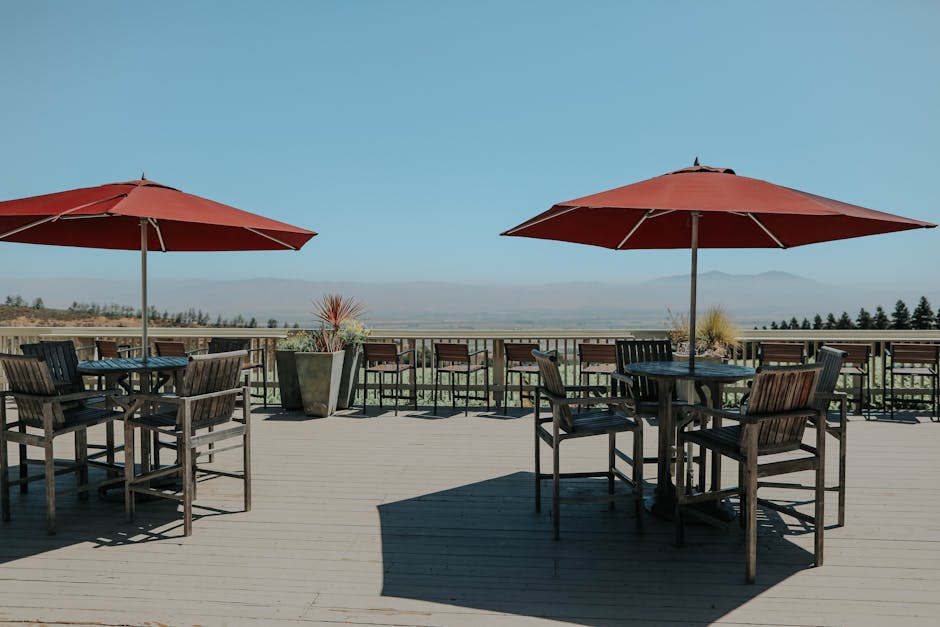
Before diving into the specifics, it’s important to grasp the basic principles of terrace design. A well-designed terrace should harmoniously blend with the surrounding environment while serving its intended purpose. Consider the orientation of your terrace; south-facing terraces receive more sunlight, making them ideal for sun lovers, while north-facing spaces can provide a cool refuge during hot summer days.
Furthermore, think about the size and shape of your terrace. A small, rectangular terrace may be perfect for an urban apartment, whereas a larger, curved design may better suit a suburban home. Incorporating natural elements such as plants and stone can enhance the aesthetic appeal and create a seamless connection with nature.
Choosing the Right Materials
Material selection is crucial in terrace design, impacting both aesthetics and durability. Common materials include wood, composite decking, stone, and concrete. Each material has its pros and cons; for instance, while wood offers a warm, natural look, it requires regular maintenance to prevent rot and fading.
On the other hand, composite decking provides a low-maintenance alternative that mimics the appearance of wood without the drawbacks. If you prefer a more modern look, concrete or stone can provide a sleek, durable surface that withstands the elements. Remember to consider the overall style of your home to ensure a cohesive look.
Landscaping Your Terrace
Landscaping plays a vital role in creating an inviting terrace. Incorporating plants can add color, texture, and even fragrance to your outdoor area. Consider using a mix of potted plants, vertical gardens, and ground cover to create a layered effect. Additionally, native plants are often easier to maintain and can thrive in your local climate.
Another landscaping option is to include features such as trellises or pergolas. These structures not only provide shade but also create a sense of enclosure, making the terrace feel more intimate. When planning your landscaping, don’t forget about the practical aspects, such as irrigation and drainage, to maintain the health of your plants.
Choosing the Right Furniture
Once you’ve established the foundational elements of your terrace, it’s time to think about furniture. The right furniture can transform your terrace into a comfortable and stylish space. Consider your primary use for the terrace when selecting furniture. For dining, a table and chairs are essential, while lounge chairs or a hammock may be preferable for relaxation.
When choosing furniture, opt for weather-resistant materials that can withstand the elements. Rattan, aluminum, and teak are popular choices for outdoor furniture. Additionally, incorporating cushions and throws can enhance comfort and add a pop of color to your terrace. Don’t forget about practical storage solutions to keep your space organized and clutter-free.
Enhancing the Atmosphere with Lighting
Lighting is a crucial aspect of terrace design, especially for evening use. The right lighting can create an inviting atmosphere, allowing you to enjoy your terrace well into the night. Consider a combination of ambient, task, and accent lighting to achieve the desired effect.
For ambient lighting, string lights or lanterns can add a warm glow to your terrace, while task lighting can illuminate dining or cooking areas. Accent lighting, such as spotlights on plants or architectural features, can create visual interest and highlight key elements of your terrace. Be mindful of the placement and intensity of your lighting to avoid creating a harsh environment.
Additionally, incorporating smart lighting solutions can provide convenience and flexibility. With smart technology, you can control your lighting from anywhere, adjusting brightness and colors to suit your mood or occasion.
Conclusion
Designing the perfect terrace requires careful planning and consideration of various elements, from materials and landscaping to furniture and lighting. By understanding the basics and incorporating thoughtful design choices, you can create a functional and beautiful outdoor space that enhances your lifestyle. Whether you’re entertaining guests or enjoying a quiet moment alone, your terrace can become a cherished extension of your home. To make the most of your outdoor space, consider exploring options like Terrassenüberdachungen to protect your terrace from the elements while enhancing its usability.