
The Transformative Power of Education in Modern Society
Education has always been a cornerstone of society, shaping individuals and communities alike. In today’s fast-paced world, the role of education is more critical than ever. It not only equips individuals with necessary skills but also fosters critical thinking and innovation. This article explores the multifaceted importance of education, its challenges, and the innovative approaches being adopted to enhance learning experiences.
The Importance of Education
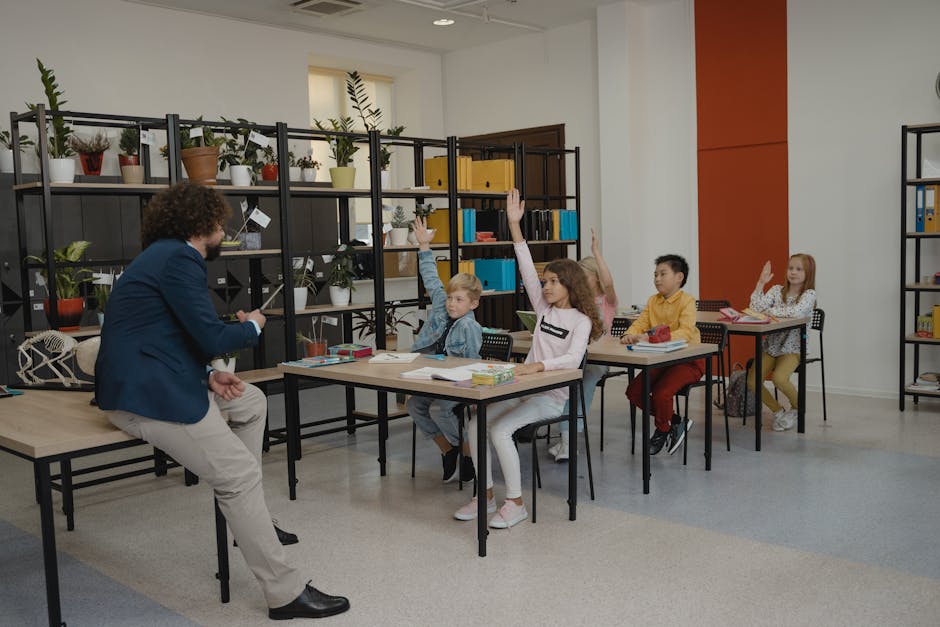
Education serves as the foundation of personal and professional development. It empowers individuals to pursue their dreams and achieve their potential. According to the OECD, countries that invest in education see a significant increase in their GDP, highlighting the economic benefits of a well-educated populace. Furthermore, education promotes social cohesion and inclusion, bridging gaps between different communities.
Access to quality education can transform lives, particularly in underprivileged areas. For instance, initiatives aimed at improving literacy rates in rural communities have proven to be effective, leading to higher employment rates and improved living standards. Education is not just about acquiring knowledge; it is about developing a sense of identity and belonging.
Challenges Facing Education Today
Despite its significance, the education sector faces numerous challenges. One of the most pressing issues is the disparity in access to quality education. In many parts of the world, children still lack basic educational resources. The World Bank reported that about 260 million children were out of school in 2018, a figure that continues to be a cause for concern.
Moreover, traditional teaching methods often do not cater to the diverse learning needs of students. There is a growing need for personalized learning experiences that can accommodate different learning styles and paces. The COVID-19 pandemic further highlighted these challenges, as many educational institutions struggled to transition to online learning effectively.
Innovative Approaches to Education
In response to these challenges, educators and institutions are adopting innovative approaches to enhance learning outcomes. Technology plays a pivotal role in this transformation. Online learning platforms, for instance, have made education more accessible than ever. Students can now participate in courses from leading universities around the world from the comfort of their homes.
One notable example is the increasing popularity of blended learning models, which combine traditional classroom instruction with online resources. This approach not only enhances engagement but also allows students to take ownership of their learning. Additionally, initiatives like the In person Nclex review in Houston provide targeted support for nursing students, helping them prepare for their professional exams effectively.
The Role of Lifelong Learning
Lifelong learning has become essential in our rapidly changing world. As industries evolve, the need for continuous skill development grows. Organizations are increasingly recognizing the importance of upskilling their workforce to stay competitive. According to a report by the World Economic Forum, over 1 billion people will need to reskill by 2030 due to technological advancements.
Moreover, lifelong learning fosters adaptability and resilience. Individuals who engage in continuous education are better equipped to navigate career changes and challenges. This not only benefits the individual but also contributes to a more innovative and dynamic workforce.
The Future of Education
Looking ahead, the future of education appears promising yet challenging. The integration of artificial intelligence and virtual reality into the learning experience is poised to revolutionize how education is delivered. These technologies can provide immersive learning environments that enhance understanding and retention of information.
Furthermore, a greater emphasis on social-emotional learning is emerging as educators recognize the importance of mental health and well-being in academic success. By fostering a supportive learning environment, schools can help students develop critical life skills that extend beyond the classroom.
Conclusion
In conclusion, education remains a powerful tool for personal and societal transformation. While challenges persist, innovative approaches and a focus on lifelong learning can help us create a more equitable and effective education system. By investing in education, we are investing in a brighter future for individuals and communities worldwide.