The Evolution of Education: Adapting to a Changing World
The landscape of education has undergone a remarkable transformation over the past few decades. From traditional classroom settings to the integration of technology, the way we learn and teach continues to evolve. This article explores the various dimensions of education, highlighting its significance, current trends, and future directions that can shape the learning experiences of generations to come.
The Importance of Education in Society

Education serves as the cornerstone of society, providing individuals with the skills and knowledge necessary to navigate the complexities of life. It promotes critical thinking, cultivates creativity, and fosters social cohesion. According to UNESCO, education is a human right that empowers individuals and drives economic development. Countries with higher literacy rates tend to experience better economic growth, lower unemployment, and improved health outcomes.
Moreover, education plays a vital role in promoting equality and social justice. It opens doors to opportunities that can lead to a better quality of life and breaks the cycle of poverty. For instance, studies show that each additional year of schooling can increase a person’s income by up to 10%. This demonstrates the profound impact that education can have on both individuals and society as a whole.
Current Trends in Education
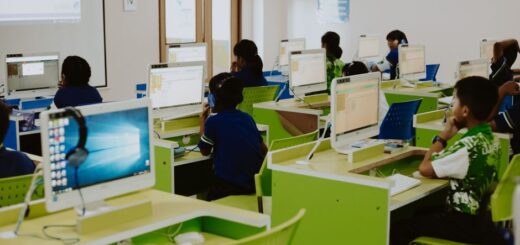
As we move further into the 21st century, several trends are shaping the future of education. One of the most significant is the integration of technology in the classroom. From online learning platforms to interactive tools, technology is enhancing the way educators deliver content and engage students. The COVID-19 pandemic accelerated this trend, forcing educational institutions to adapt quickly to remote learning environments.
Additionally, there is a growing emphasis on personalized learning. This approach recognizes that each student has unique needs and learning styles. By leveraging data and technology, educators can tailor their teaching methods to accommodate diverse learners. For example, adaptive learning software allows students to progress at their own pace, ensuring that they grasp concepts before moving on to more complex material.
Another notable trend is the focus on social-emotional learning (SEL). Educators are increasingly aware of the need to support students’ emotional well-being alongside their academic development. Programs that teach skills such as empathy, resilience, and teamwork are being integrated into curricula, preparing students for the challenges of the modern world.
The Role of Lifelong Learning
In an ever-changing job market, the concept of lifelong learning has gained prominence. As industries evolve and new technologies emerge, individuals must continuously update their skills to remain competitive. This shift has led to the rise of online courses, workshops, and certification programs that cater to adult learners.
According to a report by the World Economic Forum, by 2025, 85 million jobs may be displaced by a shift in labor between humans and machines. However, it also estimates that 97 million new roles may emerge that are more adapted to the new division of labor. This highlights the importance of reskilling and upskilling, making lifelong learning essential for career advancement.
Moreover, organizations are beginning to recognize the value of investing in employee education. Companies that prioritize learning and development often see increased employee engagement and retention. For instance, a study by LinkedIn found that 94% of employees would stay at a company longer if it invested in their career development.
Challenges Facing Modern Education
Despite the advancements in education, several challenges persist. One of the most pressing issues is the digital divide, which refers to the gap between those who have access to technology and those who do not. This divide disproportionately affects low-income families and rural communities, hindering their ability to participate fully in the digital learning landscape.
Furthermore, the quality of education can vary significantly across different regions and socioeconomic backgrounds. Inequities in funding, resources, and teacher training can lead to disparities in educational outcomes. Addressing these inequalities is crucial to ensuring that all students have access to high-quality education.
The mental health crisis among students is another concern that educators are grappling with. The pressures of academic performance, social media, and societal expectations can take a toll on students’ mental well-being. Schools must prioritize mental health support and create environments where students feel safe and supported.
The Future of Education
Looking ahead, the future of education is likely to be characterized by continued innovation and adaptation. As technology continues to advance, we can expect to see further integration of artificial intelligence, virtual reality, and augmented reality in educational settings. These tools have the potential to create immersive learning experiences that enhance understanding and retention.
Moreover, global collaboration in education will become increasingly important. With the rise of online learning, students can connect with peers and educators from around the world, fostering a greater understanding of diverse cultures and perspectives. Programs that promote international exchange and collaboration will prepare students to thrive in a globalized society.
In conclusion, education remains a dynamic and essential component of human development. By embracing current trends and addressing the challenges ahead, we can create an educational landscape that is equitable, innovative, and responsive to the needs of learners. As we continue to explore new frontiers in education, it is crucial to recognize the transformative power of learning and its ability to shape a better future for all.