
Navigating the World of Metal Fabrication Shops
The metal fabrication industry plays a crucial role in various sectors, from automotive to construction. As the demand for custom metal parts increases, understanding how to choose the right metal fabrication shop becomes essential for businesses looking to optimize their production processes. This article delves into the key considerations when selecting a metal fabrication shop, the technologies involved, and the future trends shaping the industry.
Understanding Metal Fabrication
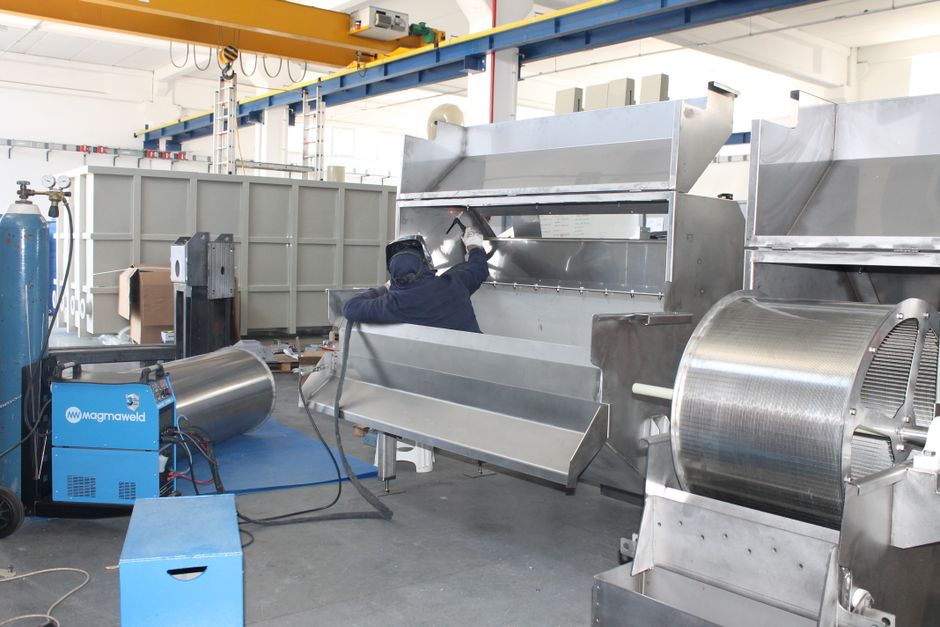
Metal fabrication is the process of building metal structures by cutting, bending, and assembling processes. It involves a wide range of activities, including welding, machining, and assembly. The primary goal of metal fabrication is to create components that meet specific design requirements and functional specifications.
There are various types of metal fabrication processes, including laser cutting, plasma cutting, and CNC machining. Each method has its advantages and is suitable for different applications. For example, laser cutting is often preferred for intricate designs, while CNC machining is ideal for precision parts.
For businesses, collaborating with a reputable metal fabrication shop can significantly affect the quality and durability of the final product. Understanding the various processes can help in making informed decisions.
Choosing the Right Fabrication Shop
When selecting a metal fabrication shop, several factors should be considered. First, assess the shop’s capabilities and expertise in the specific type of metalwork required. Different shops may specialize in various materials, such as stainless steel, aluminum, or carbon steel.
Next, review the shop’s portfolio and past projects. A well-established shop will have a history of successful projects and satisfied clients. Look for testimonials and case studies that highlight their experience in your specific industry.
Another important aspect is the technology and equipment used in the shop. Advanced machinery can improve efficiency and accuracy, reducing lead times and costs. Ensure that the shop invests in the latest technology to stay competitive.
The Importance of Quality Control
Quality control is a vital component of the metal fabrication process. The best fabrication shops implement stringent quality assurance measures to ensure that all products meet the required standards. This includes regular inspections, testing, and adherence to industry regulations.
ISO certification can be a good indicator of a shop’s commitment to quality. Shops that are ISO certified have demonstrated their ability to consistently provide products that meet customer and regulatory requirements.
Furthermore, quality control not only enhances the reliability of the final product but also minimizes waste and rework, which can save businesses time and money.
Future Trends in Metal Fabrication
The metal fabrication industry is evolving rapidly, with technology playing a central role in its transformation. Automation and robotics are increasingly being integrated into fabrication processes, improving efficiency and reducing labor costs.
Additionally, advancements in materials science are leading to the development of new alloys and composites that offer superior performance characteristics. These innovations allow for lighter, stronger, and more durable components, which are essential in industries like aerospace and automotive.
Lastly, the rise of sustainable practices is influencing metal fabrication. Many shops are adopting eco-friendly processes and materials to reduce their environmental impact, which is becoming an important consideration for clients.
Conclusion
In conclusion, the choice of a metal fabrication shop can significantly impact the success of a project. By understanding the various processes, evaluating potential partners based on capabilities and quality control, and staying informed about industry trends, businesses can make strategic decisions that lead to successful outcomes. As the industry continues to innovate, those who adapt will thrive in the competitive landscape of metal fabrication.