
The Essential Guide to Access Control Systems
In an age where security is paramount, understanding access control systems is essential for both individuals and organizations. These systems not only protect physical spaces but also safeguard sensitive information. With the rise of digital technology, the complexity and importance of access control have increased significantly. This article aims to delve into the various aspects of access control systems, their types, benefits, and implementation strategies.
What is an Access Control System?
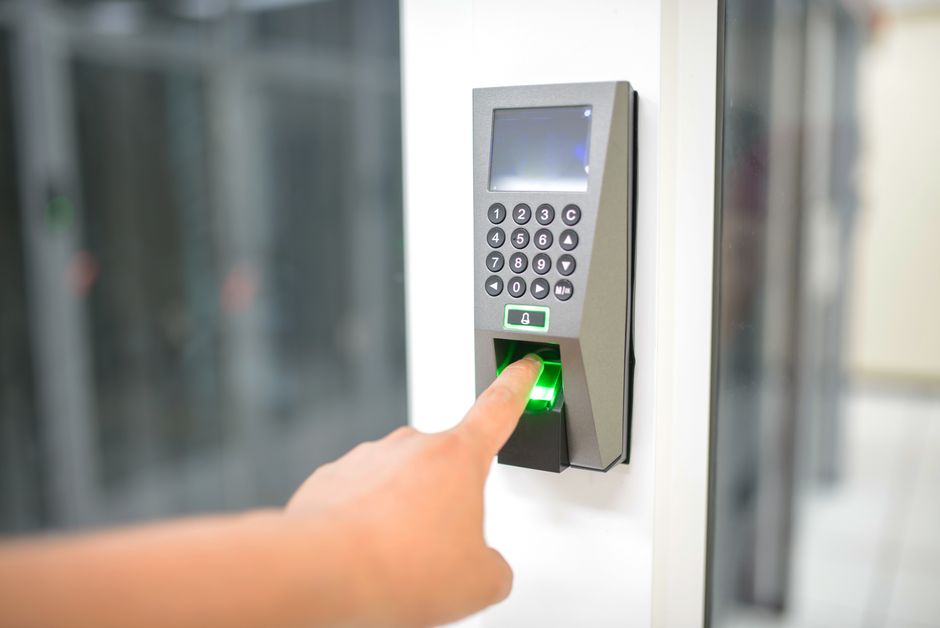
An access control system is a framework that manages and regulates who can view or use resources in a computing environment. It incorporates various technologies and processes to grant or deny access based on predefined security policies. The main goal is to protect sensitive data from unauthorized access while allowing legitimate users to perform their tasks without hindrance.
At its core, an access control system ensures that only authorized individuals can enter specific areas or access certain information. This could range from a simple lock and key mechanism to sophisticated biometric systems that use fingerprints or facial recognition for verification.
Types of Access Control Systems
There are primarily three types of access control systems: discretionary access control (DAC), mandatory access control (MAC), and role-based access control (RBAC).
Discretionary Access Control (DAC) allows owners of resources to decide who has access to their resources. For instance, a user can share files with specific colleagues while restricting others from viewing them.
Mandatory Access Control (MAC) is a more stringent form of access control, where access rights are regulated by a central authority based on multiple levels of security. This is commonly used in government and military environments where sensitive information must be tightly controlled.
Role-Based Access Control (RBAC) is a widely used model that grants access based on the roles assigned to users within an organization. For example, a manager may have broader access privileges than a regular employee.
Benefits of Implementing Access Control Systems
Investing in a robust access control system provides numerous benefits. Firstly, it enhances security by preventing unauthorized access to sensitive areas or information. According to a study, organizations with effective access control measures experience a 30% reduction in security breaches.
Moreover, these systems help in compliance with various regulations such as GDPR and HIPAA. Non-compliance can lead to hefty fines and reputational damage.
Additionally, access control systems can streamline operations by ensuring that employees have the necessary access to perform their duties efficiently. For instance, employees can quickly access the files they need without waiting for managerial approval.
Challenges in Implementing Access Control Systems
Despite their benefits, implementing access control systems is not without challenges. One major hurdle is the initial cost of setting up these systems, which can be significant depending on the complexity and scale of the organization.
Another challenge is user resistance to change. Employees accustomed to older systems may find it difficult to adapt to new protocols. Therefore, comprehensive training and communication are essential to ensure a smooth transition.
Finally, the management of access rights can become cumbersome as organizations grow. Regular audits and reviews are necessary to ensure that access controls are up to date and aligned with current organizational structures.
Future Trends in Access Control Systems
The future of access control systems is likely to see significant advancements driven by technology. For instance, the integration of artificial intelligence (AI) can enhance security protocols by providing predictive analytics and real-time monitoring.
Furthermore, cloud-based access control systems are gaining traction due to their scalability and flexibility. Organizations can manage access remotely and adjust permissions on the fly, which is particularly useful in today’s increasingly mobile work environments.
Additionally, the use of biometric authentication is expected to rise. Technologies such as facial recognition and iris scanning offer a higher level of security and convenience for users.
As these technologies evolve, the importance of understanding and implementing an effective access control system will only grow.
Conclusion
Access control systems play a critical role in safeguarding sensitive information and ensuring the security of physical spaces. By understanding the different types of access control, their benefits, and the challenges involved in implementation, organizations can make informed decisions about their security needs. As technology continues to evolve, staying updated on the latest trends will be essential for maintaining robust security protocols.