
Unlocking the Future of Live Events: The Rise of Concert Ticketing Platforms
In the digital age, the way we purchase tickets for concerts and live events has transformed dramatically. Gone are the days of waiting in long lines or calling box offices. Instead, concert ticketing platforms have emerged as the go-to solution for music lovers and event-goers. These platforms not only streamline the ticket buying process but also offer a plethora of features that enhance the overall experience for both fans and event organizers.
The Evolution of Concert Ticketing
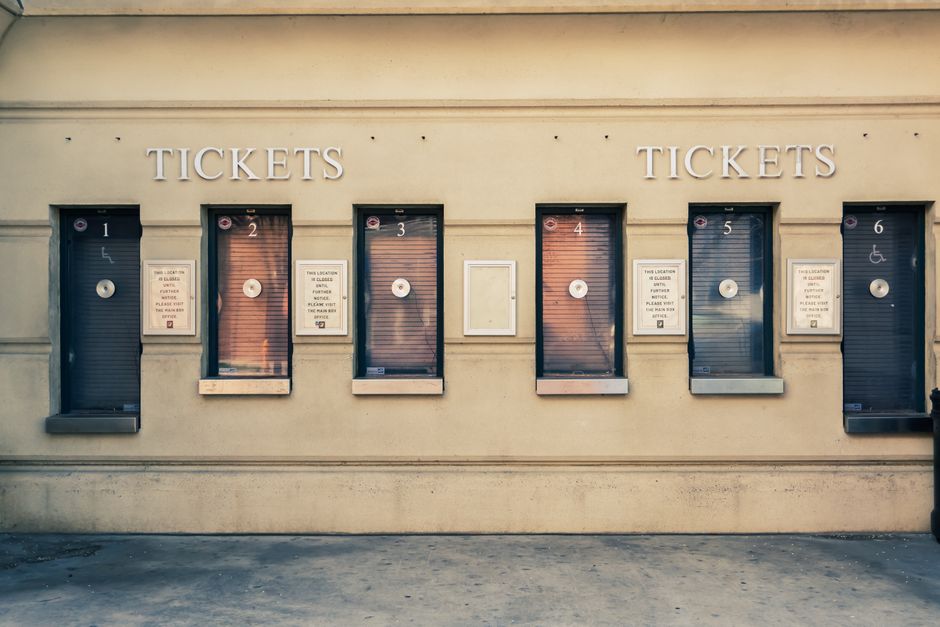
The landscape of concert ticketing has evolved significantly over the past few decades. Initially, tickets were sold primarily through physical outlets, where fans had to physically visit to secure their spots for upcoming events. However, with the advent of the internet, online ticketing became the norm. According to a recent study, over 70% of concert tickets are now sold online, highlighting the shift in consumer behavior.
Concert ticketing platforms like concert ticketing platform have capitalized on this trend by providing user-friendly interfaces and advanced technology that facilitates seamless transactions. This evolution not only caters to consumers’ preferences for convenience but also allows organizers to reach a wider audience.
Key Features of Modern Ticketing Platforms
Today, concert ticketing platforms offer a wide range of features designed to improve the purchasing experience. One of the most significant advancements is the integration of mobile ticketing. Users can now purchase, store, and present their tickets digitally, eliminating the need for physical copies. This transition not only enhances security but also reduces the chances of fraudulent tickets.
Additionally, many platforms provide real-time updates on ticket availability and pricing, allowing consumers to make informed decisions. This transparency fosters trust between fans and ticketing platforms, ultimately leading to increased sales.
The Role of Data Analytics
Data analytics has become a cornerstone of successful concert ticketing platforms. By analyzing user behavior, preferences, and purchasing patterns, these platforms can offer personalized recommendations and targeted marketing campaigns. For instance, if a user frequently attends rock concerts, the platform can suggest upcoming shows that align with their interests.
This data-driven approach not only enhances the user experience but also helps event organizers optimize their marketing strategies. By understanding their audience better, they can tailor their promotions and ticket pricing to maximize revenue.
Challenges in the Ticketing Industry
Despite the advancements in concert ticketing platforms, the industry still faces several challenges. One of the most pressing issues is ticket scalping, where resellers purchase large quantities of tickets and sell them at inflated prices. This practice not only frustrates genuine fans but also undermines the integrity of the ticketing process.
To combat this issue, many platforms are implementing measures such as verified fan programs and dynamic pricing strategies. By prioritizing genuine fans and adjusting prices based on demand, these platforms aim to create a fairer marketplace for concert-goers.
The Future of Concert Ticketing Platforms
Looking ahead, the future of concert ticketing platforms appears promising. As technology continues to evolve, we can expect to see even more innovative features and enhancements. For instance, virtual reality (VR) experiences could allow fans to preview concerts before purchasing tickets, giving them a taste of what to expect.
Moreover, the integration of blockchain technology is also on the horizon. This technology could provide a secure and transparent way to verify ticket authenticity, further reducing the risk of fraud. As these platforms continue to adapt and grow, they will undoubtedly play a pivotal role in shaping the future of live events.
Conclusion
In conclusion, concert ticketing platforms have revolutionized the way we experience live events. They have made the ticket purchasing process more convenient, transparent, and user-friendly. As technology advances and consumer preferences evolve, these platforms will continue to innovate, ensuring that fans have access to the best possible experiences. Whether you’re a casual concert-goer or a die-hard fan, embracing these platforms is essential for unlocking the full potential of live music events.