
Navigating the World of Concert Ticketing Platforms
In today’s digital age, the way we purchase tickets for concerts has dramatically evolved. Gone are the days of waiting in long lines or relying on box offices to secure a spot at our favorite shows. Concert ticketing platforms have revolutionized the ticket-buying experience, offering fans convenience, variety, and competitive pricing. This article delves into the workings of these platforms, exploring their features, benefits, and how they shape the concert-going experience.
Understanding Concert Ticketing Platforms
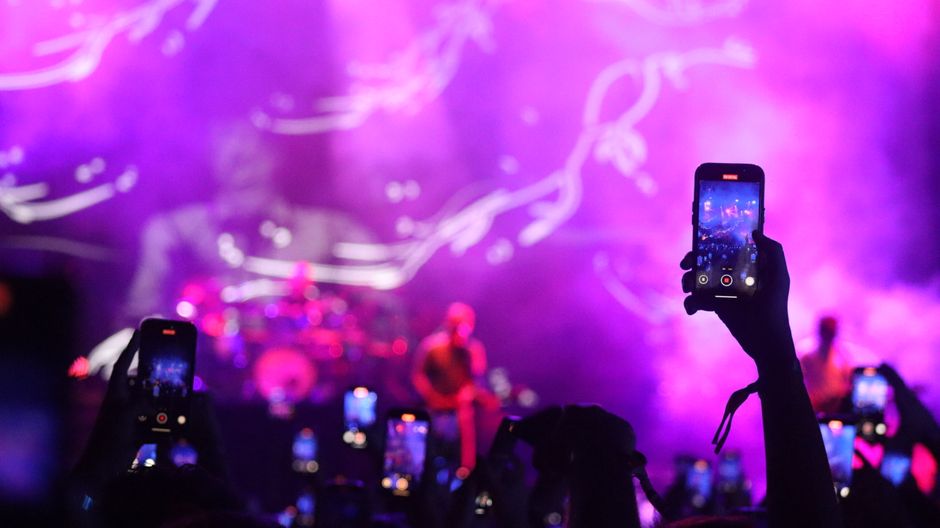
Concert ticketing platforms are online services that allow users to buy, sell, or trade tickets for live events, including concerts, festivals, and other performances. These platforms typically partner with event organizers, artists, and venues to offer a wide range of tickets to potential attendees. One of the primary advantages of using a concert ticketing platform is the ease of access. Users can browse events, compare prices, and make purchases from the comfort of their homes.
Furthermore, these platforms often provide additional features such as event notifications, seat selection, and pricing transparency, which enhance the overall user experience. For example, a fan can receive alerts when their favorite artist announces a tour or when tickets for a much-anticipated concert go on sale. This level of accessibility and engagement is crucial in today’s fast-paced environment.
Key Features of Concert Ticketing Platforms
When analyzing different concert ticketing platforms, several key features stand out. First and foremost is the user interface, which should be intuitive and easy to navigate. Potential buyers need to find events quickly and effortlessly. Additionally, mobile compatibility is essential, as many users prefer to browse and purchase tickets via their smartphones.
Another important feature is secure payment processing. As online fraud continues to rise, concert ticketing platforms must prioritize the safety of their users’ financial information. Many platforms implement advanced encryption technology to protect sensitive data, giving users peace of mind during transactions.
Moreover, customer support is a vital aspect of any ticketing platform. Users should have access to assistance if they encounter issues during the ticket-buying process. Reliable support can significantly impact user satisfaction and loyalty.
The Impact of Technology on Ticket Sales
Technology plays a pivotal role in shaping the concert ticketing landscape. Algorithms and data analytics are often employed to predict demand for specific events, allowing platforms to adjust pricing dynamically. This practice, known as dynamic pricing, can lead to fluctuating ticket prices based on popularity, time of purchase, and other factors.
For instance, if a renowned artist announces a surprise concert, the initial ticket prices may be relatively low. However, as demand surges, the prices could increase significantly within hours. This pricing strategy can maximize revenue for both the artists and the platforms. However, it has also sparked debates regarding fairness, as some fans may feel priced out of attending events they are passionate about.
Challenges Facing Concert Ticketing Platforms
Despite their advantages, concert ticketing platforms face several challenges. One major issue is ticket scalping, where individuals or bots buy large quantities of tickets to resell at inflated prices. This practice not only frustrates genuine fans but can also tarnish the reputation of the ticketing platforms themselves.
In response to this challenge, many platforms are implementing measures to combat scalping. Some have introduced verified fan presales, where only fans who register in advance can purchase tickets, thereby reducing the chances of bots snatching up tickets. Additionally, implementing strict identification checks at the event entrance can help ensure that tickets are being used by the original purchasers.
Looking Ahead: The Future of Concert Ticketing
The future of concert ticketing platforms is promising, with numerous innovations on the horizon. Virtual reality (VR) and augmented reality (AR) technologies are beginning to influence how fans experience live events, potentially offering virtual attendance options for those unable to be physically present.
Furthermore, as the world continues to grapple with the effects of the COVID-19 pandemic, contactless ticketing options are becoming increasingly popular. This trend not only enhances safety but also streamlines the entry process at venues. Fans can enjoy a more seamless experience, reducing wait times and improving overall satisfaction.
Conclusion
In conclusion, concert ticketing platforms have transformed how we purchase tickets and experience live music. With their key features, technological advancements, and the challenges they face, these platforms continue to evolve, delivering convenience and accessibility to fans worldwide. As the industry adapts to new technologies and consumer expectations, the future of concert ticketing looks bright. For those looking to explore various options in this space, one reliable resource is the concert ticketing platform that offers a wide range of events and features.