Transforming Spaces: The Art of Restaurant Interior Design
In an era where dining is more about experience than just food, the role of restaurant interior design has become paramount. The ambiance, layout, and aesthetic qualities of a restaurant can significantly influence a customer’s dining experience. This article delves into the essential elements of effective restaurant interior design and how they contribute to the overall success of an establishment.
The Importance of First Impressions
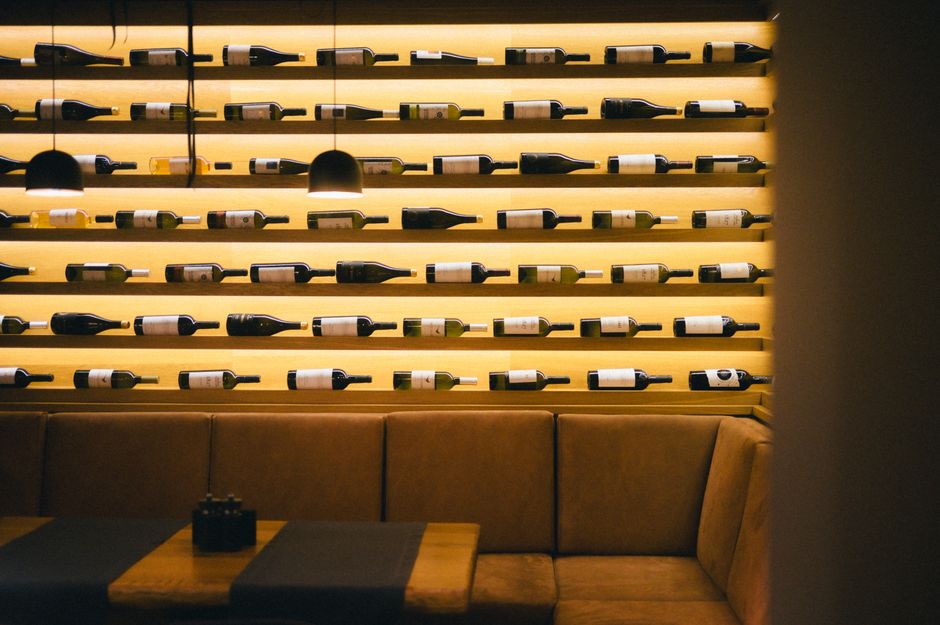
First impressions matter, especially in the restaurant business. Studies show that customers often make judgments about a restaurant within the first few seconds of entering. The layout, lighting, and decor all play a crucial role in shaping these perceptions. A well-designed interior not only sets the right tone but also encourages guests to linger longer, which can directly impact sales.
For instance, a restaurant with a welcoming atmosphere featuring warm colors and comfortable seating is more likely to attract repeat customers. In contrast, a poorly designed space may drive potential patrons away before they even sit down. Therefore, investing in professional restaurant interior design services can be a game-changer for new establishments.
Creating a Cohesive Theme
Every successful restaurant has a theme that resonates with its target audience. This theme should be reflected not only in the menu but also in the interior design. Whether it’s a rustic farm-to-table eatery or a chic urban bistro, the decor should complement the culinary offerings.
For example, a seafood restaurant might incorporate nautical elements such as blue hues, driftwood accents, and marine-themed decorations. This cohesive approach enhances the dining experience and reinforces the restaurant’s brand identity. Moreover, a well-executed theme can create Instagram-worthy moments that diners are eager to share on social media, further promoting the restaurant.
Maximizing Space Efficiency
Space is often at a premium in urban settings, making efficient layout design critical. Restaurant interior design must consider the flow of traffic, seating arrangements, and the placement of key elements such as the bar and kitchen. A well-planned layout can maximize seating capacity while ensuring that guests and staff can move around comfortably.
For instance, utilizing multi-functional furniture can help to optimize space. Tables that can be easily rearranged for different group sizes, or seating that can be adjusted based on demand, can significantly enhance operational efficiency. Additionally, considering the acoustics of a space can contribute to a more enjoyable dining experience, reducing noise levels during peak hours.
The Role of Lighting
Lighting is a crucial yet often overlooked aspect of restaurant interior design. The right lighting can create an inviting atmosphere, highlight architectural features, and enhance the overall dining experience. Different areas of the restaurant may require varying levels of brightness; for example, the dining area may benefit from soft, ambient lighting, while the bar might need brighter, more energetic lighting to encourage social interaction.
Implementing a layering approach to lighting—using ambient, task, and accent lighting—can create a dynamic environment that changes throughout the day. Moreover, incorporating natural light through large windows or skylights can enhance the mood and make the space feel more open and inviting.
Incorporating Sustainability
As consumers become more environmentally conscious, many restaurants are turning to sustainable design practices. This can include using eco-friendly materials, energy-efficient lighting, and water-saving fixtures. Not only does this appeal to environmentally aware customers, but it can also reduce operational costs in the long run.
Additionally, showcasing sustainability through the interior design can be a unique selling point. For example, incorporating reclaimed wood, upcycled furniture, or vertical gardens can create a visually appealing space while promoting a commitment to sustainability. This not only enhances the dining experience but can also foster a deeper connection between the restaurant and its patrons.
Conclusion
Restaurant interior design is a multifaceted discipline that goes beyond mere aesthetics. It plays a vital role in shaping customer experiences, reinforcing brand identity, and maximizing operational efficiency. By thoughtfully considering elements such as layout, theme, lighting, and sustainability, restaurant owners can create inviting spaces that attract and retain customers. In today’s competitive market, investing in professional interior design is not just beneficial; it is essential for success.