
The Rise of Custom Clothing Manufacturers: Tailoring Trends for Modern Consumers
In the ever-evolving world of fashion, the rise of custom clothing manufacturers has garnered significant attention. As consumers seek unique and personalized apparel, these manufacturers are stepping in to fill the gap between mass production and individual expression. This article delves into the various aspects of custom clothing manufacturing, exploring its benefits, challenges, and the future of this burgeoning industry.
The Benefits of Custom Clothing
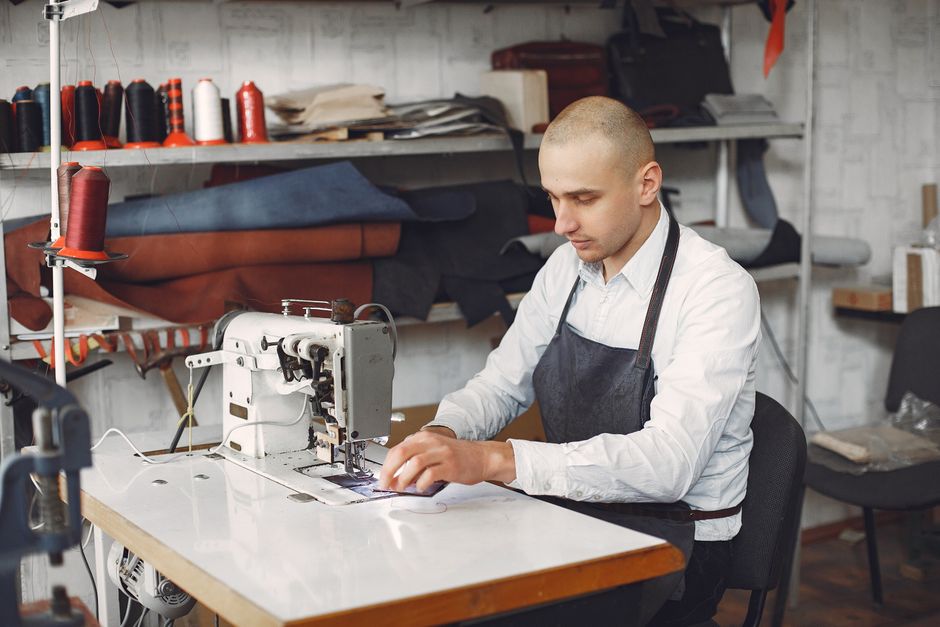
Custom clothing offers a range of advantages over traditional retail options. Firstly, it allows consumers to express their personal style in a way that off-the-rack garments cannot. Whether it’s selecting the fabric, cut, or even design elements, custom clothing empowers individuals to curate their wardrobe according to their tastes and preferences.
Moreover, custom clothing can provide a better fit. Mass-produced garments often ignore the unique body shapes of individuals, leading to discomfort and dissatisfaction. With a custom clothing manufacturer, clients can enjoy tailored fit solutions that enhance comfort and style, making every piece feel like it was made just for them.
Additionally, there is a growing demand for sustainable fashion. Many custom clothing manufacturers prioritize eco-friendly materials and ethical production practices, appealing to environmentally conscious consumers. By choosing custom, individuals can support sustainable practices while also investing in high-quality pieces that last.
The Process of Custom Clothing Manufacturing
The journey of creating custom clothing typically begins with a consultation. This initial meeting allows clients to discuss their ideas, preferences, and any specific requirements they may have. Many custom clothing manufacturers utilize advanced technology such as 3D modeling and virtual fitting rooms to streamline this process, making it more accessible and efficient.
After the consultation, manufacturers often create samples or prototypes based on the client’s input. This stage is crucial as it allows for adjustments and refinements before the final product is completed. For instance, a custom clothing manufacturer may present multiple fabric options or design variations to ensure that the client’s vision is accurately captured.
Once all details are finalized, the manufacturing process begins. Skilled artisans and tailors work meticulously to bring the design to life, often using advanced sewing techniques and high-quality materials. This level of craftsmanship not only results in superior garments but also supports local economies by providing jobs in the fashion industry.
Challenges Faced by Custom Clothing Manufacturers
Despite the many benefits, custom clothing manufacturers face several challenges in the industry. One of the primary hurdles is managing client expectations. With personalized orders, there is often a fine line between client desires and feasible production capabilities. Clear communication and setting realistic timelines are essential in ensuring customer satisfaction.
Another challenge is the competition from fast fashion brands. These brands offer quick turnarounds and lower prices, making it difficult for custom manufacturers to compete. However, many consumers are beginning to prioritize quality over quantity, which can work in favor of custom clothing makers.
Additionally, supply chain issues can pose a significant challenge, especially when sourcing unique materials or fabrics. Manufacturers must establish strong relationships with suppliers to ensure timely delivery and maintain production schedules, which can be complicated in today’s global economy.
The Future of Custom Clothing Manufacturing
As consumer preferences continue to shift towards personalization, the future of custom clothing manufacturing looks promising. Technological advancements, such as artificial intelligence and machine learning, are set to revolutionize the industry. These technologies can help streamline production processes, improve fit accuracy, and enhance customer experiences.
Furthermore, the rise of e-commerce platforms has made it easier for consumers to access custom clothing options. From online consultations to virtual fittings, the integration of technology has opened up new avenues for custom clothing manufacturers to reach a wider audience.
In conclusion, the custom clothing manufacturing sector is poised for growth as it adapts to the changing landscape of fashion. By focusing on quality, sustainability, and personalized service, these manufacturers can carve out a niche in a competitive market. For those interested in exploring their options, partnering with a reliable custom clothing manufacturer can lead to unique and satisfying fashion choices.
Conclusion
The shift towards custom clothing is more than just a trend; it’s a reflection of a society that values individuality and sustainability. As consumers become more aware of the impact of their purchasing decisions, the demand for custom clothing will likely continue to rise. By understanding the benefits, processes, and challenges associated with custom clothing manufacturing, both consumers and manufacturers can navigate this evolving landscape effectively.