
The Rise of Custom Clothing Manufacturers in the Fashion Industry
In recent years, the fashion industry has witnessed a remarkable shift towards customization. As consumers become more discerning and seek individuality in their clothing choices, the demand for custom clothing manufacturers has surged. This trend is not just a fleeting fad; it represents a fundamental change in how fashion is produced and consumed. In this article, we will explore the significance of custom clothing manufacturers, the benefits they offer, and how they are shaping the future of fashion.
The Importance of Customization in Fashion
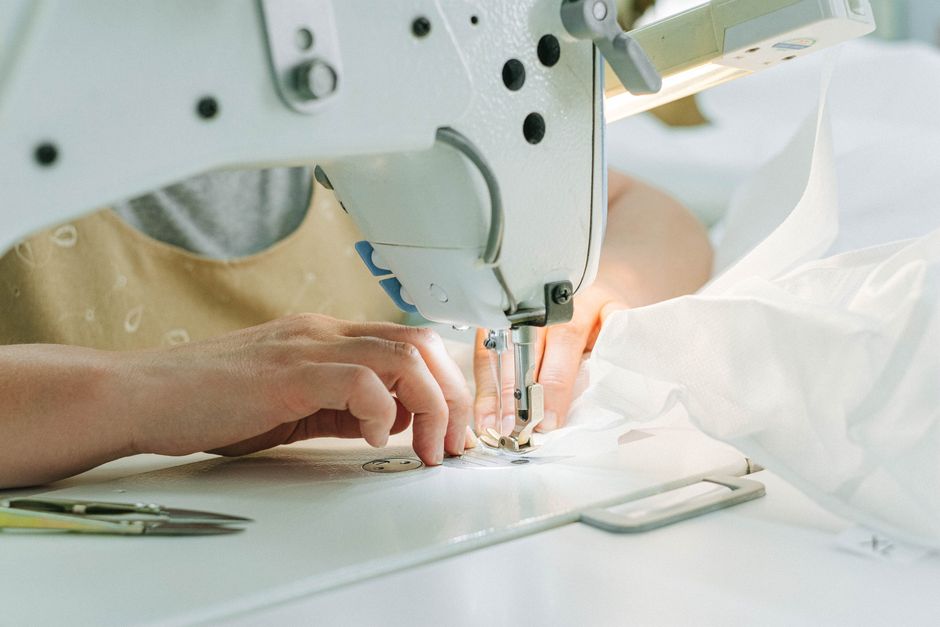
Customization in fashion allows consumers to express their personalities through their clothing choices. Unlike traditional retail, where mass-produced items dominate, custom clothing manufacturers provide a unique alternative that caters to individual preferences. According to a report by McKinsey, the demand for personalized fashion has grown by 20% annually, illustrating a clear shift in consumer behavior.
Furthermore, customization fosters a deeper connection between consumers and brands. When customers can design their garments, it creates a sense of ownership and loyalty. This emotional investment is critical in a market saturated with generic options. As consumers increasingly prioritize experiences over possessions, custom clothing manufacturers are perfectly positioned to meet these evolving expectations.
Moreover, the rise of technology has made customization more accessible. With online platforms and advanced design software, consumers can now create their own designs from the comfort of their homes. This technological advancement has allowed custom clothing manufacturers to flourish, offering a seamless user experience that was previously unimaginable.
Benefits of Working with Custom Clothing Manufacturers
Choosing to work with a custom clothing manufacturer comes with numerous advantages. First and foremost, it provides brands with the ability to differentiate themselves in a crowded market. By offering unique designs and personalized options, businesses can attract a niche audience that values exclusivity.
Additionally, custom clothing manufacturers often utilize sustainable practices, which appeal to environmentally conscious consumers. Many manufacturers focus on ethically sourced materials and small-batch production, reducing waste and promoting sustainability. This commitment to ethical practices resonates with today’s consumers, who are increasingly scrutinizing the environmental impact of their purchases.
Another significant benefit is the potential for higher profit margins. Custom clothing often commands premium pricing due to its unique nature. Brands that collaborate with custom clothing manufacturers can benefit from increased revenue while providing consumers with one-of-a-kind products that justify the cost.
Challenges Faced by Custom Clothing Manufacturers
Despite the numerous benefits, custom clothing manufacturers face several challenges. One of the primary obstacles is the long lead time associated with custom orders. Unlike mass production, which can quickly fulfill large quantities, custom orders require time for design, production, and shipping. This can be a drawback for consumers seeking immediate gratification.
Additionally, managing customer expectations can be complex. Customization involves a back-and-forth communication process that can be time-consuming. If not handled properly, it can lead to dissatisfaction and misaligned expectations. Therefore, effective communication and a robust customer service strategy are crucial for success in this space.
Moreover, the initial investment in technology and skilled labor can be substantial for custom clothing manufacturers. Setting up an efficient production system that allows for customization requires both financial resources and expertise, which can be a barrier for new entrants in the market.
How to Choose the Right Custom Clothing Manufacturer
Selecting the right custom clothing manufacturer is critical for brands looking to explore this avenue. First, businesses should assess the manufacturer’s experience and expertise in producing the desired garments. A manufacturer with a strong portfolio and positive customer reviews is likely to deliver quality results.
Next, brands should consider the manufacturer’s production capabilities. It’s essential to ensure that they can handle the desired volume and complexity of orders. Additionally, understanding their turnaround times and communication processes is vital to avoid potential bottlenecks.
Finally, sustainability should be a key factor in the decision-making process. Brands should inquire about the manufacturer’s sourcing practices and commitment to ethical production. Working with a manufacturer that shares similar values can enhance brand reputation and resonate with consumers.
Conclusion
In conclusion, the rise of custom clothing manufacturers reflects a significant shift in the fashion industry towards personalization and sustainability. As consumers seek unique ways to express their identities, custom clothing manufacturers provide a valuable solution. While there are challenges to overcome, the benefits of working with these manufacturers are substantial. By choosing the right partner, brands can tap into this growing market and establish a loyal customer base. As we move forward, the role of custom clothing manufacturers will only become more important in shaping the future of fashion.
For those interested in exploring this exciting market, partnering with a reputable custom clothing manufacturer can open up a world of possibilities.