
Understanding the Importance of Crop Insurance for Farmers
In the face of unpredictable weather patterns, rising costs, and fluctuating market prices, farmers are increasingly turning to crop insurance as a vital safeguard. This financial tool not only helps protect against losses due to natural disasters but also provides peace of mind for those dedicated to the agricultural industry. Understanding the intricacies of crop insurance can empower farmers to make informed decisions that sustain their livelihoods.
What is Crop Insurance?
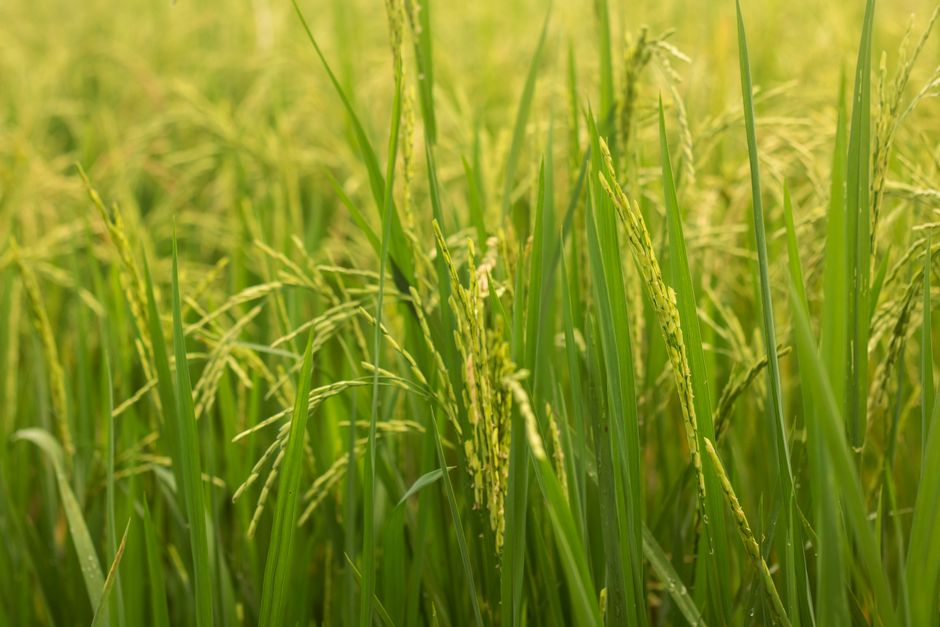
Crop insurance is a risk management tool designed to protect farmers from the financial impact of crop losses. This insurance can cover a variety of risks, including natural disasters like droughts, floods, and hail, as well as market fluctuations that can affect crop prices. By providing a safety net, crop insurance allows farmers to recover from losses and continue their operations without significant financial strain.
There are two primary types of crop insurance: Actual Production History (APH) and Revenue Protection (RP). APH insurance focuses on the yield of a specific crop over a period, while RP insurance protects against loss of revenue caused by low yields or declining market prices. Each type has its own set of benefits and considerations, making it essential for farmers to evaluate their specific needs before selecting a policy.
The Benefits of Crop Insurance
One of the most significant advantages of crop insurance is its ability to stabilize farm income. In an industry where uncertainty can lead to devastating losses, insurance provides a financial buffer. According to the USDA, insured crops often see reduced volatility in income compared to uninsured crops, creating a more predictable economic environment for farmers.
Additionally, having a crop insurance policy can enhance a farmer’s access to credit. Lenders often view insurance as a sign of responsibility and risk management, which can lead to better loan terms and increased borrowing capacity. This is particularly important for new farmers or those looking to expand their operations.
Challenges in Obtaining Crop Insurance
Despite its benefits, many farmers face challenges when obtaining crop insurance. The complexity of policies can be overwhelming, and understanding the fine print is crucial. Farmers must navigate various coverage levels, premiums, and deductibles, which can vary widely based on the type of crop and location.
Furthermore, some farmers may find that the cost of premiums is prohibitively high, especially in years with low crop prices. This can discourage them from purchasing insurance, leaving them vulnerable to financial losses. To mitigate these challenges, it is essential for farmers to seek guidance from experts who can help them understand their options and find the best coverage for their needs.
Real-World Examples of Crop Insurance Impact
The importance of crop insurance can be illustrated through various real-world scenarios. For instance, a farmer in California who grows almonds may face significant losses due to a severe drought. With crop insurance, this farmer can receive compensation for the lost yield, allowing them to invest in irrigation improvements for future seasons.
In another example, a midwestern corn farmer whose crops are affected by a late frost may rely on crop insurance to cover the financial gap created by the unexpected loss. This support not only aids in recovery but also contributes to the overall resilience of the agricultural sector. According to the Risk Management Agency, crop insurance paid out over $8 billion in claims in 2020 alone, highlighting its critical role in American agriculture.
The Future of Crop Insurance
As climate change continues to impact agricultural practices, the future of crop insurance is likely to evolve. Innovations in technology, such as satellite monitoring and data analytics, are enabling more accurate assessments of crop health and risks. These advancements can lead to more tailored insurance products that address specific local challenges.
Moreover, with the increasing emphasis on sustainable farming practices, crop insurance may also adapt to support environmentally friendly methods. Programs that reward farmers for implementing sustainable practices could become a significant aspect of future insurance offerings.
Conclusion
In conclusion, crop insurance is an essential tool for farmers facing the uncertainties of agricultural production. By understanding the types of coverage available, the benefits it provides, and the challenges associated with obtaining it, farmers can make informed decisions that protect their livelihoods. As the agricultural landscape continues to change, embracing crop insurance will be crucial for sustainability and resilience in the farming community. For more detailed insights into crop insurance policies, you can refer to crop insurance resources.