Understanding the Importance and Functionality of Irrigation Systems
Water is a fundamental resource for agriculture, urban landscaping, and environmental conservation. In regions where natural rainfall is insufficient, irrigation systems play a crucial role in ensuring crops receive the necessary moisture to thrive. This article delves into the various types of irrigation systems, their benefits, and how they contribute to sustainable agricultural practices.
Types of Irrigation Systems
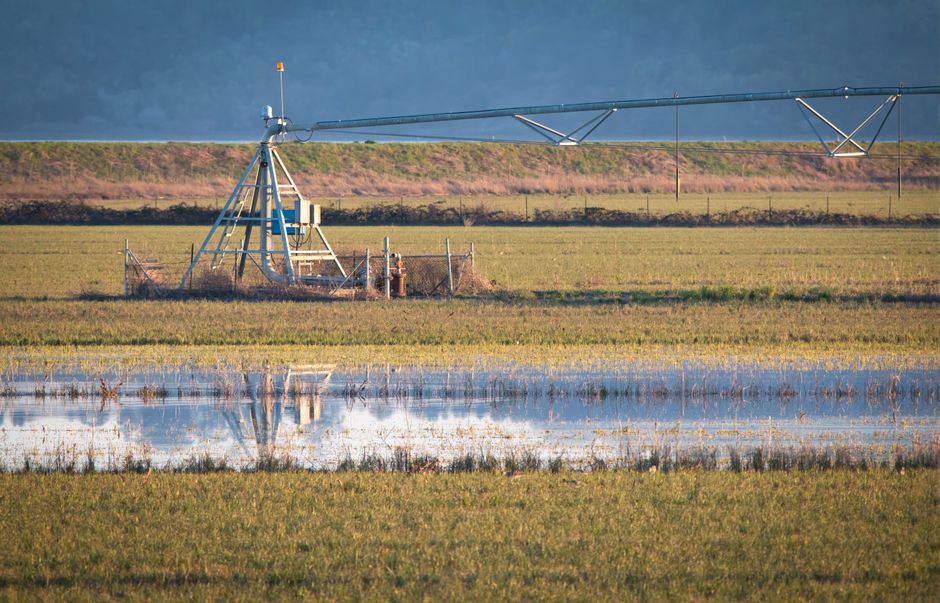
There are several types of irrigation systems, each tailored to meet different agricultural needs and environmental conditions. The most common types include surface irrigation, drip irrigation, and sprinkler irrigation.
Surface irrigation involves flooding a field with water, allowing it to soak into the soil. This method is often used in flat landscapes and is cost-effective, but it can lead to water wastage and soil erosion if not managed properly.
Drip irrigation is a more efficient method that delivers water directly to the plant roots through a network of tubing and emitters. This system minimizes evaporation and runoff, ensuring that water is used efficiently. Studies have shown that drip irrigation can improve crop yields by as much as 50% compared to traditional methods.
Sprinkler irrigation mimics natural rainfall by distributing water through pipes and nozzles. This system is versatile and can be used for various crops, but it requires more energy and maintenance compared to other methods.
Benefits of Irrigation Systems
Irrigation systems provide numerous benefits beyond just supplying water. They enhance crop productivity, improve food security, and contribute to economic stability in agricultural regions.
One significant advantage is the ability to regulate water supply. Farmers can control when and how much water their crops receive, which is especially critical during drought periods. This control not only boosts crop growth but also helps in managing soil salinity, which can be detrimental to plant health.
Moreover, efficient irrigation systems can lead to reduced labor costs. Automated systems, such as those using sensors and timers, allow farmers to manage their water supply with minimal manual intervention. This efficiency can free up time for farmers to focus on other essential tasks.
Sustainable Practices in Irrigation
As water scarcity becomes a growing concern globally, the importance of sustainable irrigation practices cannot be overstated. Implementing advanced technologies in irrigation systems can significantly reduce water waste and enhance sustainability.
For instance, precision irrigation technologies utilize data analytics and weather forecasts to optimize water usage. By applying water only when necessary and in the right amounts, farmers can conserve water while maintaining high crop yields.
Additionally, rainwater harvesting systems can be integrated with traditional irrigation methods. Collecting and storing rainwater for irrigation reduces dependence on groundwater and surface water sources, promoting a more sustainable approach to agriculture.
The Role of Irrigation Systems in Climate Adaptation
Climate change poses significant challenges to agriculture, including altered precipitation patterns and increased frequency of extreme weather events. Irrigation systems can play a vital role in helping farmers adapt to these changes.
By providing a reliable source of water during dry spells, irrigation systems can help mitigate the impacts of climate variability. This adaptability is especially crucial for regions that rely heavily on agriculture for their livelihoods.
Furthermore, implementing modern irrigation practices can reduce the carbon footprint of agricultural operations. Efficient water usage minimizes the need for energy-intensive processes, such as pumping and transporting water over long distances.
Conclusion
In conclusion, irrigation systems are vital for ensuring food security, enhancing agricultural productivity, and promoting sustainable practices. As technology continues to evolve, the potential for irrigation systems to support efficient water management and climate adaptation will only increase. Farmers and agricultural stakeholders must embrace innovative irrigation solutions to secure a sustainable future for agriculture.
For further reading on efficient water management and the latest advancements in irrigation systems, visit irrigation system resources available online.