
Understanding CPR: The Lifesaving Technique Everyone Should Know
Cardiopulmonary Resuscitation, commonly known as CPR, is a critical skill that can mean the difference between life and death in emergency situations. Every year, thousands of people suffer from cardiac arrests, and immediate CPR can significantly increase the chances of survival. Despite its importance, many individuals remain unaware of how to perform this lifesaving technique. This article aims to provide a comprehensive overview of CPR, including its importance, the steps involved, and the training available to equip individuals with this essential skill.
The Importance of CPR
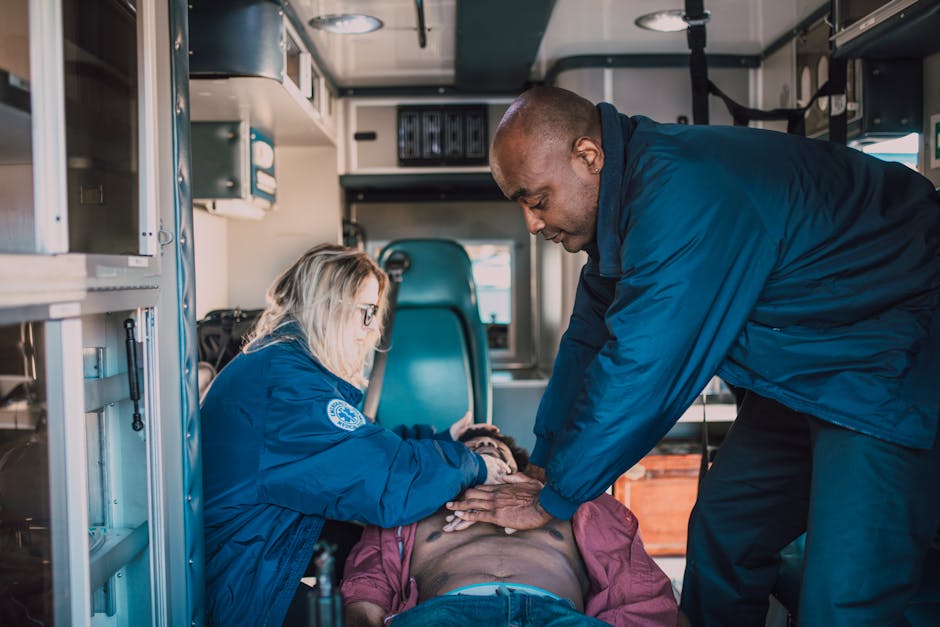
Understanding the significance of CPR is paramount. According to the American Heart Association, approximately 70% of cardiac arrests occur at home, which means that bystanders are usually the first responders. When performed immediately, CPR can double or even triple a victim’s chance of survival. Furthermore, CPR helps maintain blood flow to the heart and brain until professional medical help arrives.
Statistics also highlight the necessity of widespread CPR knowledge. In the United States, nearly 475,000 people die from cardiac arrest each year. However, when bystanders administer CPR, survival rates can jump dramatically, showcasing the critical role of timely intervention.
Steps to Perform CPR
Performing CPR involves a series of straightforward steps that can be executed by anyone, regardless of prior medical training. The core components of CPR include:
1. **Call for Help**: Before initiating CPR, ensure that someone has called emergency services. If you are alone, call 911 before starting.
2. **Check Responsiveness**: Gently tap the person and shout to see if they respond. If they are unresponsive, proceed to the next step.
3. **Begin Chest Compressions**: Place the heel of one hand on the center of the chest, interlock your fingers, and push down hard and fast, at a rate of 100 to 120 compressions per minute. Aim for a depth of about two inches.
4. **Rescue Breaths**: After every 30 compressions, give two rescue breaths. Tilt the person’s head back slightly, pinch the nose, and create a seal over their mouth. Breathe into their mouth until you see their chest rise, then repeat.
5. **Continue the Cycle**: Repeat the cycle of 30 chest compressions and two rescue breaths until emergency responders arrive or the person shows signs of life.
Common Myths About CPR
Despite its life-saving potential, several myths about CPR can deter individuals from learning or performing it. Some common misconceptions include:
– **Myth 1: CPR is only for healthcare professionals.** In reality, anyone can learn and perform CPR, and it is crucial for bystanders to take action in emergencies.
– **Myth 2: You can harm the person if you do CPR incorrectly.** While there is a risk of injury, the chance of saving a life far outweighs this concern. Even if you are unsure, doing something is better than doing nothing.
– **Myth 3: CPR is the same for adults and children.** While the basic principles are the same, the technique varies slightly for infants and children, emphasizing the need for specialized training.
Training and Certification
To effectively learn and perform CPR, training is essential. Various organizations offer CPR courses, including the American Heart Association and the Red Cross. These courses cover the techniques mentioned above and provide hands-on practice.
For those in Stockholm looking for training opportunities, a valuable resource is the HLR kurs Stockholm. This course provides practical training in CPR and is designed for individuals of all skill levels.
Additionally, many workplaces and community centers offer CPR training sessions, ensuring that more people are prepared to respond in emergencies. Certification typically lasts for two years, after which refresher courses are recommended.
Conclusion
In summary, CPR is a vital skill that everyone should learn. The ability to perform CPR can significantly improve survival rates in cardiac emergencies, making it essential training for individuals of all ages. The myths surrounding CPR can often dissuade people from learning this lifesaving technique; however, understanding the facts and the importance of timely intervention can empower individuals to act confidently in emergencies. By participating in CPR courses, like those available in Stockholm, you can ensure that you are prepared to make a difference when it matters most.