
The Ultimate Guide to Bedbug Extermination
Bedbugs are tiny, elusive pests that have plagued humanity for centuries. Their resurgence in recent years has caused alarm among homeowners and renters alike. Understanding how to effectively exterminate these pests is crucial for maintaining a safe and healthy living environment. This guide delves into the various methods of bedbug extermination, highlighting DIY approaches and professional solutions.
Understanding Bedbugs
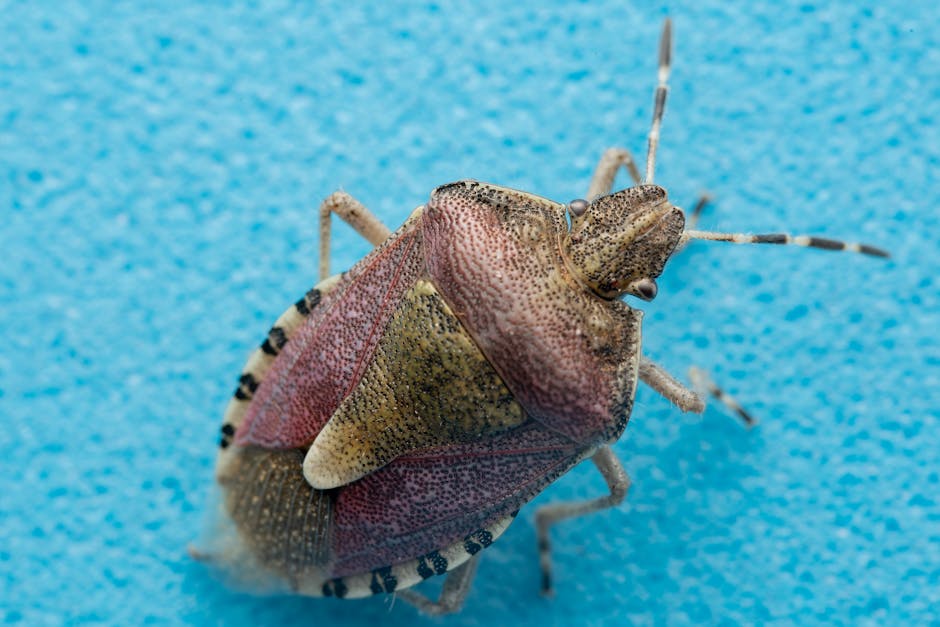
Bedbugs (Cimex lectularius) are small, reddish-brown insects that feed on the blood of humans and animals. They are nocturnal and often hide in cracks and crevices during the day. A single female can lay up to 500 eggs in her lifetime, making an infestation difficult to control. The first step in effective bedbug extermination is to understand their behavior and habitat.
Bedbugs typically thrive in warm, dark environments, making mattresses, box springs, and bed frames ideal locations. They can also be found in furniture, carpets, and even behind wallpaper. Identifying these hiding spots is crucial in the extermination process. Regular inspections can help catch an infestation early, minimizing the spread.
Signs of Infestation
Recognizing the signs of a bedbug infestation is essential for timely action. Common indicators include:
- Red, itchy bites on the skin, often in clusters.
- Dark spots on bedding, which are bedbug excrement.
- Molted bedbug skins and eggshells.
- A musty odor from the bugs’ scent glands.
Once these signs are detected, immediate steps should be taken to confirm the presence of bedbugs and begin the extermination process. Ignoring the problem can lead to a larger infestation, making it more challenging and costly to eliminate.
DIY Bedbug Extermination Methods
For minor infestations, homeowners may choose to tackle the issue with DIY methods. Here are some effective strategies:
1. **Vacuuming:** Thoroughly vacuuming all surfaces, including mattresses, carpets, and furniture, can help remove bedbugs and their eggs. Ensure to dispose of the vacuum bag immediately to prevent re-infestation.
2. **Heat Treatment:** Bedbugs are sensitive to heat. Washing bedding and clothing in hot water and drying them on high heat can kill bedbugs at all life stages. Additionally, using a steam cleaner on carpets and furniture can effectively eliminate these pests.
3. **Diatomaceous Earth:** This natural powder can be spread in areas where bedbugs hide. It works by dehydrating the insects, leading to their demise. However, caution should be taken when using this method, as it can be a respiratory irritant.
If the infestation persists despite these efforts, it may be time to consider professional help.
Professional Extermination Services
For severe infestations, hiring a professional exterminator may be necessary. Professionals have access to more effective treatments and can assess the situation more accurately. Common approaches include:
1. **Chemical Treatments:** Exterminators often use insecticides that are specifically designed for bedbugs. These treatments can be more potent and effective than over-the-counter products.
2. **Integrated Pest Management (IPM):** Many pest control companies employ IPM strategies, which combine various methods for long-term control. This can include a combination of heat treatment, chemical use, and ongoing monitoring.
3. **Follow-up Treatments:** Bedbug extermination often requires multiple treatments. Professionals may schedule follow-ups to ensure that the bedbugs have been completely eradicated.
For those considering professional help, it’s essential to choose a licensed exterminator with experience in bed bug treatment. Researching reviews and getting multiple quotes can help find a reputable service.
Preventing Future Infestations
Once bedbugs have been successfully exterminated, prevention is key to avoiding future infestations. Here are some practical tips:
1. **Regular Inspections:** Conduct routine checks of your living space, especially after traveling. Inspect luggage and second-hand furniture for signs of bedbugs.
2. **Protective Covers:** Using mattress and box spring encasements can help prevent bedbugs from infesting your bedding.
3. **Clutter Management:** Reducing clutter in your living space can eliminate hiding spots for bedbugs, making it easier to spot them early.
4. **Educating Others:** Informing family and friends about bedbug prevention can create a community effort against these pests.
Conclusion
Bedbug extermination requires a thorough understanding of the pest and the various methods available for control. Whether opting for DIY solutions or professional services, prompt action is essential in preventing further spread. By recognizing the signs of infestation and taking proactive measures to prevent future occurrences, homeowners can protect their living spaces from these pesky invaders.