
The Ultimate Guide to Aquaponics Kits for Sustainable Gardening
Aquaponics is an innovative farming method that combines aquaculture and hydroponics to create a sustainable ecosystem for growing plants and fish together. This unique approach not only maximizes space but also minimizes water usage, making it an attractive option for both hobbyists and serious gardeners. In recent years, aquaponics kits have gained popularity, offering a convenient way for individuals to set up their own aquaponic systems at home. But what exactly should you look for when choosing an aquaponics kit? This article will guide you through the essentials, benefits, and considerations of using an aquaponics kit.
Understanding Aquaponics
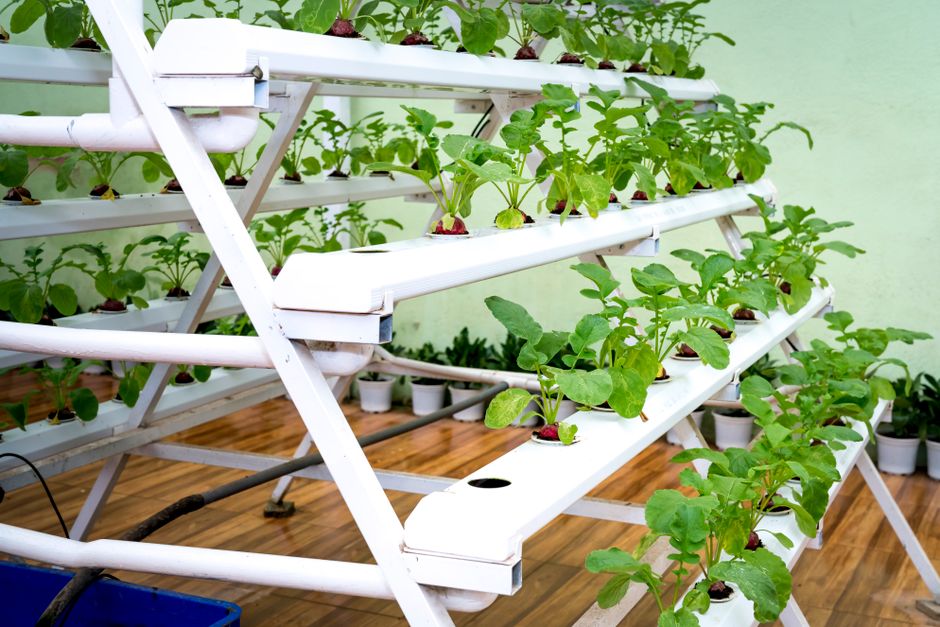
Aquaponics is a symbiotic system where fish waste provides organic nutrients for plants, and in return, plants help filter and purify the water for the fish. This closed-loop system is an efficient way to produce fresh food while conserving water and reducing the need for chemical fertilizers. It is estimated that aquaponics systems use up to 90% less water compared to traditional soil gardening.
The basic components of an aquaponics system include a fish tank, a grow bed for plants, a water pump, and plumbing to circulate water. Understanding how these components work together is crucial to setting up a successful aquaponics system. For beginners, an all-in-one aquaponics kit can simplify the process by providing all necessary equipment in one package.
Benefits of Using an Aquaponics Kit
One of the primary advantages of using an aquaponics kit is the ease of setup. Many kits come with detailed instructions, making it accessible even for those with little gardening experience. Additionally, aquaponics systems are highly efficient, producing both fish and vegetables in a limited space. This dual production can significantly reduce grocery bills while ensuring that you have access to fresh, organic food.
Moreover, aquaponics is environmentally friendly. By using fish waste as fertilizer, you eliminate the need for chemical fertilizers, which can be harmful to the environment. The water conservation aspect is also noteworthy; a well-managed aquaponics system recirculates water, reducing overall usage and waste.
Choosing the Right Aquaponics Kit
When selecting an aquaponics kit, it’s essential to consider several factors. First, determine the size of the system you want. Kits come in various sizes, suitable for small indoor setups to larger outdoor systems. If space is a constraint, look for compact designs that can fit on a balcony or countertop.
Next, assess the type of fish you want to raise. Some kits come with specific recommendations for fish species that thrive in aquaponic systems, such as tilapia or goldfish. Understanding the needs of the fish species you choose will help ensure a healthy aquatic environment.
Common Challenges in Aquaponics
While aquaponics offers many benefits, it is not without its challenges. One common issue is maintaining the balance between fish and plant growth. If one outgrows the other, it can upset the entire system. Regular monitoring of water quality, pH levels, and nutrient concentrations is vital to the system’s success.
Pests and diseases can also pose a threat to your plants. It’s crucial to implement integrated pest management strategies to keep your plants healthy without harming the fish. Additionally, becoming familiar with the cycling process is important; establishing beneficial bacteria in the system can take several weeks.
Conclusion
Aquaponics kits present an exciting opportunity for anyone interested in sustainable gardening. By understanding the fundamentals of aquaponics, recognizing the benefits, and selecting the right kit, you can create a thriving ecosystem in your own home. Whether you seek to grow your own food, reduce your environmental impact, or simply enjoy the process of gardening, an aquaponics kit can be a rewarding investment.