
The Intricacies of Sheet Metal Fabrication: A Comprehensive Guide
Sheet metal fabrication is an essential process in various industries, including automotive, aerospace, and construction. This technique involves manipulating flat sheets of metal into desired shapes and sizes, making it a crucial aspect of manufacturing. Understanding the intricacies of sheet metal fabrication can provide valuable insights into its applications, benefits, and the technologies involved.
What is Sheet Metal Fabrication?
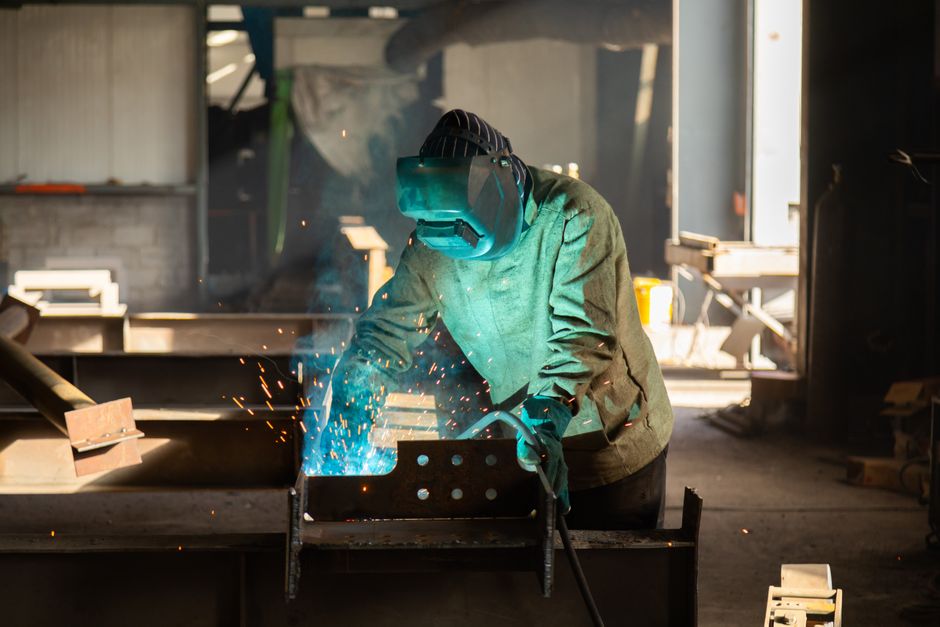
At its core, sheet metal fabrication refers to the process of cutting, bending, and assembling metal sheets to create parts or structures. The materials used can vary from aluminum and steel to copper and brass, depending on the specific requirements of the project. This versatility makes sheet metal fabrication a popular choice for producing a wide range of products, from simple brackets to complex enclosures.
In essence, the fabrication process can be broken down into several key stages, including design, cutting, forming, and finishing. Each stage is critical to ensuring that the final product meets the necessary specifications and quality standards.
The Importance of Design in Fabrication
Design is the first and perhaps the most crucial step in the sheet metal fabrication process. Utilizing advanced software tools, engineers can create detailed models that outline every aspect of the final product. These models serve as blueprints, guiding the fabrication process from start to finish.
Moreover, the design phase allows for the consideration of various factors such as material selection, manufacturing techniques, and cost-effectiveness. By optimizing these elements during the design phase, manufacturers can significantly reduce waste and enhance overall efficiency.
Cutting Techniques in Sheet Metal Fabrication
Once the design is finalized, the next step involves cutting the metal sheets into the desired shapes. Several cutting techniques are employed in the industry, including laser cutting, plasma cutting, and water jet cutting. Each method has its own advantages and is chosen based on the material and thickness of the metal.
Laser cutting, for instance, provides high precision and is ideal for intricate designs. In contrast, plasma cutting is faster and more cost-effective for thicker materials. Understanding these cutting techniques is vital for manufacturers looking to achieve the best results in their projects.
Bending and Forming Processes
After cutting, the next step is bending and forming the metal sheets. This stage is essential for creating the desired angles and shapes required in the final product. Various bending techniques, such as air bending, bottoming, and coining, can be utilized depending on the specific requirements of the design.
Additionally, the use of specialized equipment, such as press brakes, allows manufacturers to achieve precise bends and folds. The ability to accurately bend and form metal sheets is crucial for ensuring that the components fit together seamlessly during assembly.
Finishing Touches in Sheet Metal Fabrication
The final stage of the sheet metal fabrication process involves finishing. This can include processes such as welding, painting, and powder coating, which enhance the durability and aesthetic appeal of the product. Finishing not only protects the metal from corrosion but also allows for customization in terms of color and texture.
Furthermore, quality control is essential during this stage to ensure that the finished product meets industry standards and customer expectations. Implementing rigorous testing and inspection processes can significantly reduce the risk of defects and improve overall product reliability.
Conclusion
In conclusion, sheet metal fabrication is a multifaceted process that plays a vital role in various industries. From design to finishing, each stage of fabrication is crucial in producing high-quality metal products. By understanding the intricacies of sheet metal fabrication, manufacturers can optimize their processes, reduce costs, and enhance the overall quality of their products. With advancements in technology and techniques, the future of sheet metal fabrication looks promising, paving the way for innovative applications and solutions.