The Future of Food: Exploring Vertical Farming Technology
As the global population continues to rise and urbanization accelerates, traditional farming practices face unprecedented challenges. Vertical farming technology has emerged as a revolutionary solution to these issues, allowing for the sustainable production of food in urban environments. This innovative approach not only maximizes space but also minimizes the environmental impact associated with conventional agriculture.
Understanding Vertical Farming Technology
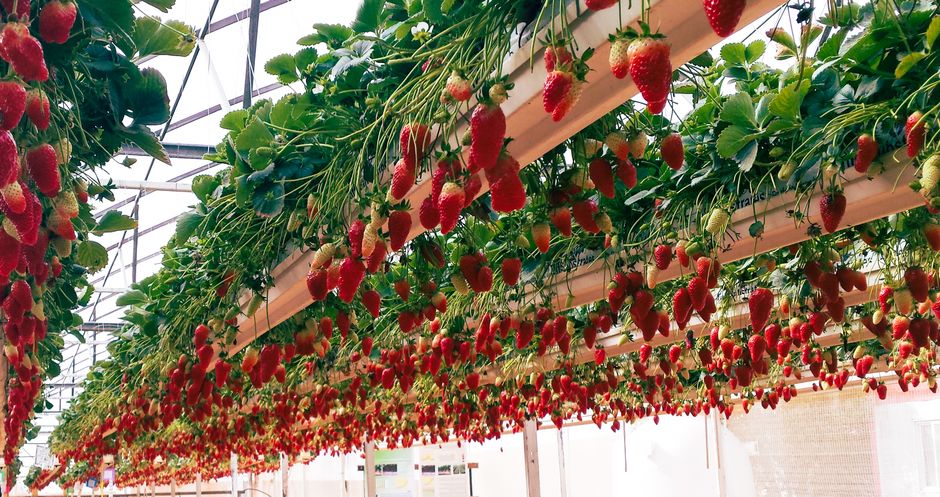
Vertical farming is the practice of growing crops in vertically stacked layers, often incorporating controlled-environment agriculture (CEA) technology. This method uses artificial lighting, climate control, and hydroponic or aeroponic systems to cultivate plants in a way that optimizes yield while reducing the use of water and pesticides. According to a report by the Food and Agriculture Organization (FAO), vertical farming can use up to 90% less water than traditional farming methods, making it a more sustainable option in water-scarce regions.
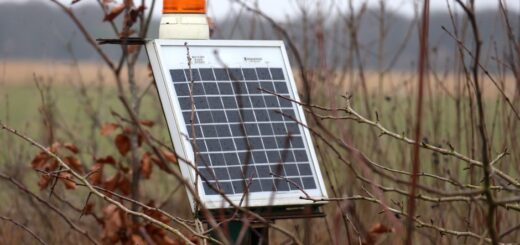
One of the key components of vertical farming technology is its reliance on renewable energy sources. Many vertical farms are designed to be energy-efficient, utilizing solar panels and wind energy to power their operations. This shift not only reduces operational costs but also minimizes the carbon footprint associated with food production.
Moreover, vertical farms can be established in urban areas, significantly reducing the distance food travels from farm to table. This local production model not only ensures fresher produce for consumers but also reduces greenhouse gas emissions related to transportation.
Benefits of Vertical Farming
The advantages of vertical farming extend beyond just sustainability. For instance, it can significantly increase food security in urban areas. With the ability to produce food year-round, vertical farms can help mitigate the effects of climate change on agriculture by providing a stable supply of fresh produce regardless of external weather conditions.
Additionally, vertical farming technology allows for the cultivation of crops in controlled environments, which can lead to higher yields and better-quality produce. A study conducted by the University of Controlled Environments found that vertical farms can produce yields that are 10 to 20 times greater than traditional farms, thanks to the precise control over growing conditions.
Furthermore, vertical farming can contribute to job creation in urban areas. As these farms require skilled labor for operation, management, and technology maintenance, they can provide employment opportunities in communities that may otherwise face economic challenges.
Challenges Facing Vertical Farming
Despite its many benefits, vertical farming technology is not without its challenges. The initial setup costs can be high, and the technology required for hydroponics, lighting, and climate control can be expensive. This poses a barrier for many entrepreneurs looking to enter the market.
Additionally, while vertical farming reduces the need for pesticides, it is not entirely free from pest and disease issues. Managing these risks in a closed environment requires careful monitoring and innovative solutions to prevent crop loss.
Another challenge is the market acceptance of vertically farmed produce. While consumer awareness is growing, educating the public about the benefits and quality of vertically farmed products remains crucial for widespread adoption.
Future Trends in Vertical Farming
Looking ahead, several trends may shape the future of vertical farming technology. One significant development is the integration of artificial intelligence (AI) and machine learning in farm management. These technologies can optimize growing conditions, automate processes, and predict crop yields more accurately.
Furthermore, as urban populations continue to swell, the push for local food production will likely increase. This demand may drive innovations in vertical farming technology, leading to more efficient systems and wider adoption of urban farming practices.
In addition, collaborations between tech companies and agricultural firms could lead to the development of new technologies that enhance the efficiency and sustainability of vertical farms. For example, advancements in sensor technology could provide real-time data on crop health, allowing for immediate adjustments to growing conditions.
Conclusion
Vertical farming technology stands at the forefront of modern agricultural innovation. By addressing the challenges of urbanization and climate change, it offers a sustainable path forward for food production. As we continue to explore the potential of this technology, it is essential to invest in research, education, and infrastructure to fully realize its benefits. The future of food may very well depend on our ability to adapt and embrace these new farming practices.
In conclusion, the integration of vertical farming technology into our food systems could redefine how we approach agriculture and sustainability in the years to come. As awareness and interest grow, vertical farming may not only change our urban landscapes but also ensure food security for future generations.