
The Essential Guide to Organic Farming Supplies
Organic farming is not just a trend but a sustainable practice that benefits the environment, health, and local communities. As more people become aware of the importance of chemical-free produce, the demand for organic farming supplies has surged. In this guide, we will explore the essential supplies needed for successful organic farming, the benefits of using these supplies, and how to choose the right products for your needs.
Understanding Organic Farming Supplies
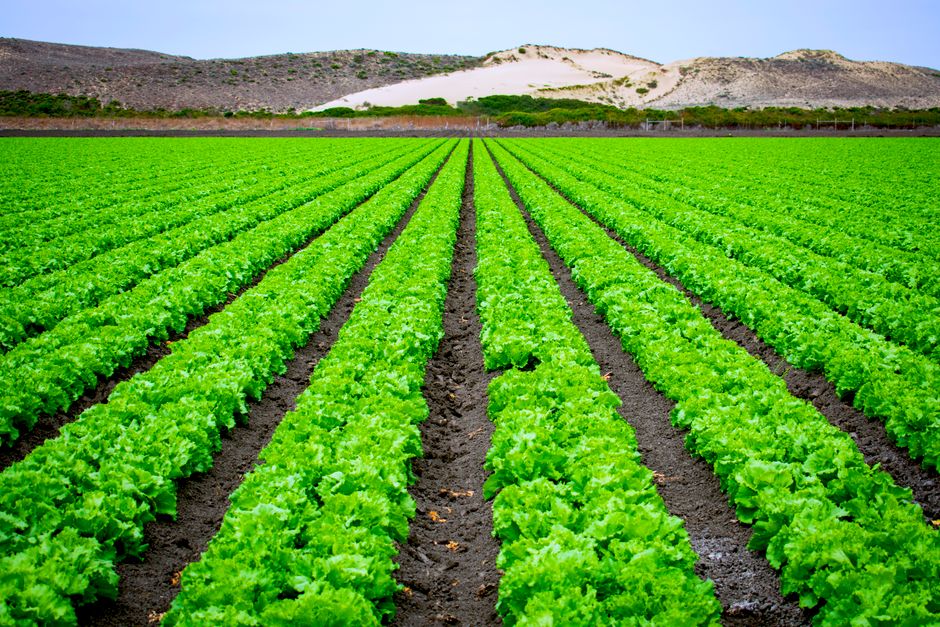
Organic farming supplies encompass a wide range of products that are essential for maintaining organic standards. These supplies include seeds, fertilizers, pest control solutions, and tools that adhere to organic farming regulations. Understanding the importance of each type of supply can help farmers make informed decisions that align with their farming practices.
For instance, organic seeds are crucial as they are grown without synthetic pesticides and fertilizers, ensuring that the produce is healthy and safe for consumption. Similarly, organic fertilizers, made from natural materials, provide the necessary nutrients for plants while promoting soil health.
Moreover, pest control in organic farming often involves natural solutions such as beneficial insects, organic pesticides, and plant-based repellents. By utilizing these organic farming supplies, farmers can protect their crops without harming the environment.
Choosing the Right Organic Seeds
When starting an organic farm, selecting the right seeds is paramount. Organic seeds are certified to ensure they have been produced without synthetic chemicals. Farmers should look for varieties that are suited to their local climate and soil conditions.
Additionally, many farmers opt for heirloom seeds, which are open-pollinated varieties known for their rich flavors and adaptability. These seeds not only provide diverse options for crops but also contribute to biodiversity, which is essential for resilient ecosystems.
Investing in high-quality organic seeds can lead to better yields and healthier plants. Farmers should also consider sources for these seeds, ensuring they are purchasing from reputable suppliers who adhere to organic certification standards.
Organic Fertilizers and Soil Amendments
Healthy soil is the foundation of successful organic farming. Organic fertilizers and soil amendments play a critical role in enhancing soil fertility and structure. Common organic fertilizers include compost, green manure, and animal manure, all of which contribute to nutrient cycling and soil health.
Composting is a particularly effective method for organic farmers, as it recycles organic waste into a nutrient-rich soil amendment. Studies have shown that composting can significantly improve soil structure, water retention, and microbial activity, all of which are vital for plant growth.
Additionally, the use of cover crops can help improve soil fertility by fixing nitrogen and preventing erosion. Farmers should research and select the right type of organic fertilizers based on their soil tests and crop requirements.
Natural Pest Control Solutions
Pest management is a significant challenge in organic farming. However, organic farmers have access to a variety of natural pest control solutions. These include the use of beneficial insects such as ladybugs and lacewings that feed on harmful pests, as well as plant-based pesticides made from neem oil or diatomaceous earth.
Implementing integrated pest management (IPM) strategies can help organic farmers minimize pest damage while maintaining ecological balance. IPM combines monitoring, biological controls, and cultural practices to manage pest populations effectively.
Moreover, educating oneself about crop rotation and companion planting can further enhance pest control efforts. By using these natural methods, farmers can protect their crops without relying on harmful chemicals.
Tools and Equipment for Organic Farming
The right tools and equipment are essential for maximizing efficiency and productivity in organic farming. Basic tools such as hoes, shovels, and hand trowels are necessary for soil preparation and maintenance. Additionally, investing in high-quality irrigation systems can ensure that crops receive adequate water without wastage.
Farmers should also consider tools that promote sustainable practices, such as solar-powered equipment and drip irrigation systems, which conserve water and energy. By utilizing modern technology alongside traditional tools, organic farmers can optimize their operations and reduce their environmental footprint.
Furthermore, using mulching equipment can help in weed control and moisture retention, making the farming process more efficient.
Conclusion
In conclusion, organic farming supplies are essential for anyone looking to practice sustainable agriculture. From organic seeds to natural pest control solutions, each supply plays a vital role in maintaining healthy crops and soil. By understanding the importance of these supplies and choosing high-quality products, farmers can ensure the success of their organic farming ventures. For more information on organic farming supplies, it is advisable to consult with local agricultural extension offices or certified organic suppliers.