
The Essential Guide to Crime Scene Cleanup
When a crime occurs, the aftermath can be haunting and traumatic not only for the victims but also for the communities involved. Cleanup after such incidents is a critical but often overlooked aspect of the recovery process. This article will delve into the importance of crime scene cleanup, the procedures involved, and why professional services are essential in handling these sensitive situations.
The Importance of Crime Scene Cleanup
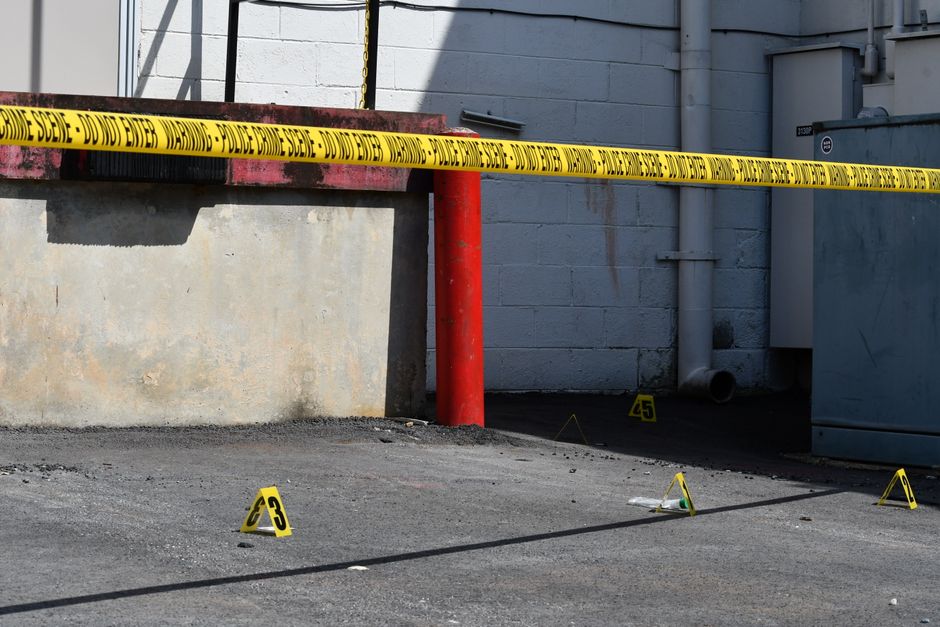
Crime scene cleanup is not just about cleaning up physical remnants; it involves restoring a sense of safety and normalcy to a place where a traumatic event has taken place. Many people might think that once law enforcement has completed their investigation, the area is safe to return to, but this is far from the truth. Biological hazards, bloodborne pathogens, and other dangerous materials can linger long after the police have left.
According to the CDC, blood can carry various pathogens, including Hepatitis B, Hepatitis C, and HIV. This is why it is crucial for cleanup to be handled by professionals who are trained in biohazard remediation. In many cases, the emotional toll on the families and friends of victims can be overwhelming, and a proper cleanup can help begin the healing process.
Moreover, improper cleanup can lead to legal ramifications. Property owners may face lawsuits if someone were to become ill from exposure to hazardous materials that were not properly cleaned up. This highlights the necessity of hiring professionals who can ensure compliance with health and safety regulations.
What Does the Cleanup Process Entail?
The crime scene cleanup process is meticulous and requires a comprehensive approach. First and foremost, professionals assess the scene to determine the extent of the contamination. This includes checking for biological materials, chemical hazards, and any structural damage that may have occurred.
Once the assessment is complete, the actual cleaning begins. This typically involves:
- Removing any contaminated materials, including furniture, carpeting, and personal belongings.
- Disinfecting surfaces with hospital-grade cleaners to eliminate pathogens.
- Using specialized equipment, such as ozone generators and air scrubbers, to remove odors and ensure the air quality is safe.
- Restoring the scene to its original condition, which may involve repairs or renovations.
Each of these steps is essential in ensuring that the site is not only clean but also safe for future occupants.
Choosing the Right Cleanup Service
When selecting a crime scene cleanup service, it is important to choose a company with a strong reputation and experience in handling such sensitive matters. Look for services that are certified and insured, as this indicates that they adhere to industry standards and regulations.
It is also beneficial to read reviews and testimonials from previous clients. A professional company will typically offer a free consultation and be transparent about their processes and pricing. This can help alleviate some of the stress that families face during such difficult times.
One critical aspect of a reputable cleanup service is their commitment to compassion and discretion. Cleanup professionals should understand the emotional weight of their work and approach each job with sensitivity.
The Emotional Aspect of Crime Scene Cleanup
Beyond the physical cleanup, there is an emotional dimension that cannot be ignored. For families and communities, the aftermath of a crime can leave deep psychological scars. Cleanup professionals often find themselves in positions where they must navigate the grief and trauma of individuals affected by the event.
Many cleanup companies offer support resources or can connect families with counseling services. This holistic approach is vital in assisting individuals as they begin to heal. The cleanup process, while necessary, can also serve as a step toward closure for those impacted.
Statistics show that communities that engage in proper cleanup and restoration efforts report lower levels of continued trauma and anxiety. This emphasizes the importance not only of cleaning but also of providing emotional support.
Conclusion
Crime scene cleanup is a crucial service that plays an essential role in the recovery process following a traumatic event. By understanding the importance of professional cleanup, the procedures involved, and choosing the right service, victims and communities can begin to heal and reclaim their spaces. The next time you hear about a crime scene cleanup, remember the vital role these professionals play in restoring safety and dignity to affected individuals.
For those interested in learning more about the specifics of crime scene cleanup, resources are available that provide detailed insights into the industry standards and practices.