
The Essential Guide to Choosing an Industrial Automation Supplier
In the modern industrial landscape, automation has become a cornerstone for efficiency and productivity. Companies are increasingly looking for reliable partners to help them navigate the complex world of industrial automation. Choosing the right supplier is crucial for enhancing operational performance and ensuring long-term success. This guide will explore the key factors to consider when selecting an industrial automation supplier, the benefits of partnering with the right company, and how to leverage automation technologies effectively.
Understanding Industrial Automation
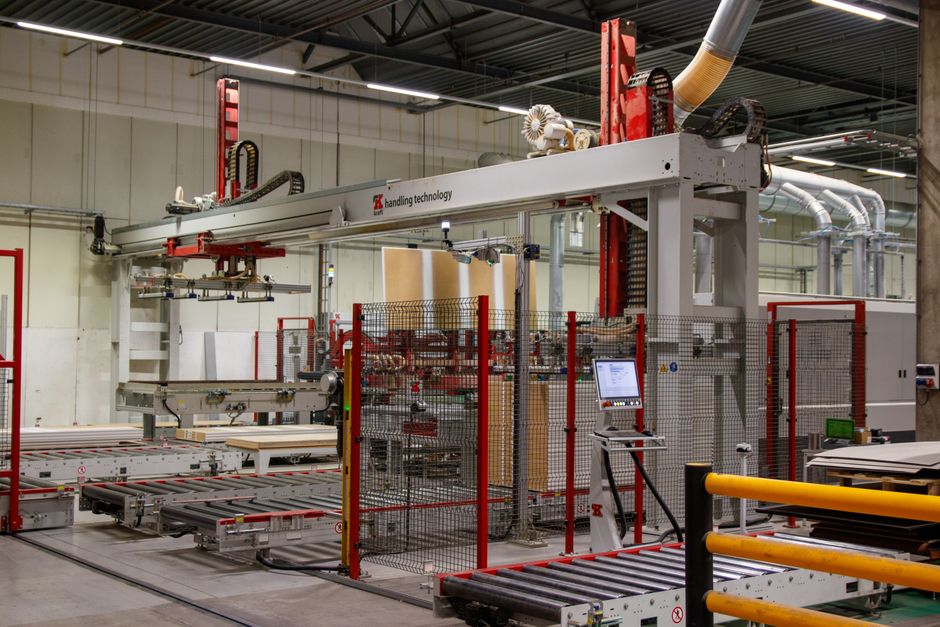
Industrial automation refers to the use of control systems, such as computers or robots, for managing different processes in an industry. These systems are utilized in various applications, including machinery, processes in factories, boilers, and heat treating ovens, switching on telephone networks, steering and stabilization of ships, aircraft, and other applications that require high reliability and performance.
Automation can significantly reduce labor costs, increase productivity, and improve product quality. However, implementing automation solutions often requires specialized knowledge and expertise. Therefore, partnering with a skilled industrial automation supplier is essential for businesses looking to integrate these technologies effectively.
Key Factors to Consider When Choosing a Supplier
When selecting an industrial automation supplier, several key factors should be taken into account. First and foremost, the supplier’s experience and reputation in the industry are critical. A company with a proven track record is more likely to provide reliable products and services. Look for suppliers that have successfully implemented projects similar to yours and can provide references or case studies.
Another important factor is the range of products and services offered. A comprehensive supplier should provide a variety of automation solutions, including hardware, software, and support services. This ensures that you have access to all the necessary tools and resources to implement your automation strategy effectively.
The Role of Technology in Industrial Automation
In recent years, advancements in technology have significantly impacted industrial automation. Emerging technologies such as the Internet of Things (IoT), artificial intelligence (AI), and machine learning are transforming how industries operate. These technologies enable real-time data collection and analysis, leading to smarter decision-making processes.
For instance, IoT devices can monitor equipment performance and predict maintenance needs, thereby reducing downtime and operational costs. An effective industrial automation supplier will be able to guide you in selecting the right technologies that align with your business objectives and operational requirements.
The Benefits of Partnering with the Right Supplier
Choosing the right industrial automation supplier can lead to numerous advantages for your business. Firstly, a reliable supplier can provide you with tailored solutions that meet your specific needs. This customization can enhance the efficiency of your operations, leading to increased productivity and profitability.
Furthermore, a good supplier will offer ongoing support and training, ensuring that your staff is well-equipped to utilize the automation technologies effectively. This support can be invaluable, especially during the initial implementation phase when challenges are likely to arise.
Future Trends in Industrial Automation
The future of industrial automation is promising, with continuous advancements in technology paving the way for smarter and more efficient systems. Trends such as collaborative robotics, where robots work alongside human operators, and the adoption of cloud-based automation solutions are gaining traction.
As industries evolve, the demand for skilled industrial automation suppliers will grow. Companies must stay informed about these trends to remain competitive and adapt their strategies accordingly. Embracing innovation and fostering strong partnerships with suppliers will be essential for success in this dynamic environment.
Conclusion
In conclusion, selecting the right industrial automation supplier is a critical decision that can significantly impact your business’s success. By understanding the key factors in choosing a supplier, leveraging the latest technologies, and recognizing the benefits of a strong partnership, organizations can enhance their operational efficiency and drive growth. As the landscape of industrial automation continues to evolve, staying informed and adaptable will be paramount for businesses aiming to thrive in the future.