
The Art of Handmade Pizza: Crafting Culinary Perfection
Handmade pizza is more than just a meal; it is a celebration of culinary artistry that brings people together. The process of creating pizza from scratch allows for a personal touch that can elevate the dining experience. From the dough to the toppings, every element plays a critical role in crafting the perfect pie. In this article, we will explore the intricate details of handmade pizza, providing insights into its history, the ingredients, and tips for perfecting your own recipes at home.
The Rich History of Pizza
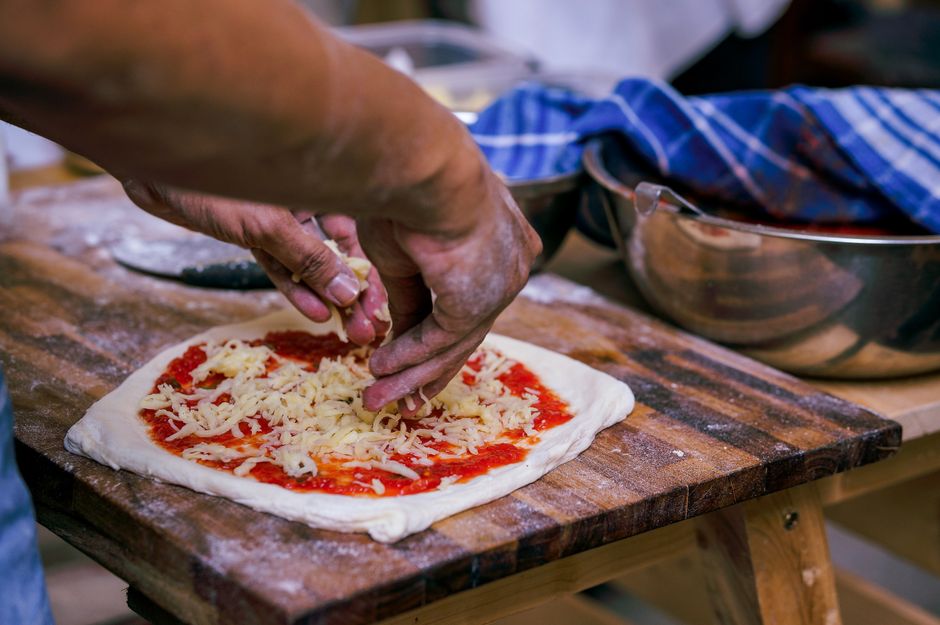
Pizza has a storied history that dates back to ancient civilizations. The earliest forms of flatbreads topped with various ingredients were enjoyed by the Egyptians, Greeks, and Romans. However, the modern pizza as we know it originated in Naples, Italy, in the 18th century. The Margherita pizza, with its simple yet delicious combination of tomatoes, mozzarella cheese, and basil, was created in honor of Queen Margherita of Savoy. This historical significance adds an element of tradition to handmade pizza, making it not just a dish but a part of culinary heritage.
As pizza spread across the globe, regional variations began to emerge, each with its own unique twist. From the deep-dish style of Chicago to the thin, crispy crust of New York, these variations showcase the versatility of pizza as a canvas for creativity.
Essential Ingredients for Handmade Pizza
The foundation of any great pizza is its dough, which typically consists of flour, water, yeast, and salt. The quality of these ingredients greatly influences the final product. For a truly authentic handmade pizza, consider using high-protein flour, such as Tipo 00, which is commonly used in Italy. This type of flour creates a dough with the perfect balance of elasticity and structure.
Beyond the dough, the choice of toppings is where personal preferences shine. Classic options include tomato sauce, mozzarella cheese, and fresh basil, but the possibilities are virtually endless. Experimenting with different cheeses, meats, vegetables, and even gourmet toppings like truffle oil can elevate your handmade pizza to new heights. Remember that less is often more; a few high-quality ingredients can create a more harmonious flavor profile than a multitude of toppings.
Don’t forget about the importance of the sauce! A homemade tomato sauce, made from fresh tomatoes, garlic, and herbs, can make all the difference. Alternatively, for a white pizza, a simple garlic and olive oil base can add a unique twist.
Mastering the Art of Pizza Dough
Creating the perfect pizza dough is a skill that requires practice and patience. Start by mixing your ingredients, allowing the yeast to activate before incorporating the flour. Kneading the dough is crucial; it develops the gluten, which gives the dough its structure and chewiness. Aim for a smooth, elastic texture.
After kneading, let your dough rise in a warm environment. This process, known as proofing, allows the flavors to develop and the dough to become airy. A slow fermentation method, which can take up to 24 hours in the refrigerator, can enhance the flavor significantly.
When it’s time to shape your dough, avoid using a rolling pin, as it can push out the air bubbles that have formed. Instead, use your hands to gently stretch the dough into your desired shape. This technique not only preserves the airiness but also adds a rustic charm to your handmade pizza.
Cooking Techniques for the Perfect Pizza
Cooking your handmade pizza to perfection requires the right technique and equipment. Traditional wood-fired ovens reach temperatures of up to 900°F, allowing for a quick cook time of just 90 seconds. This high heat creates a beautifully charred crust with a chewy interior.
If you don’t have access to a wood-fired oven, a pizza stone or steel can be an excellent alternative. Preheat your oven to its highest setting and place the stone or steel inside for at least 30 minutes before baking. This method simulates the high heat of a traditional oven, helping to achieve that sought-after crust.
Another tip for achieving a crispy crust is to avoid over-saucing your pizza. A thin layer of sauce allows the dough to cook evenly without becoming soggy. Additionally, baking your pizza on the lowest rack of the oven can help achieve that crispy bottom.
Conclusion: Embrace Your Inner Pizza Artisan
Handmade pizza is a delightful culinary adventure that encourages creativity and experimentation. Whether you are a seasoned chef or a novice in the kitchen, the process of making pizza from scratch is rewarding and enjoyable. By understanding the history, mastering the ingredients, and applying the right techniques, you can create delicious pizzas that are sure to impress.
As you embark on your pizza-making journey, remember that the best creations often come from a place of passion and experimentation. So gather your friends and family, roll up your sleeves, and start crafting your own handmade masterpieces. And if you’re looking for some inspiration or gourmet ingredients, check out LUXURY 777 for a taste of culinary excellence.