
Navigating the World of Marine Engine Suppliers
The marine industry is a vital component of global trade, with ships transporting approximately 90% of the world’s goods. As such, the demand for reliable and efficient marine engines is on the rise. The selection of a marine engine supplier plays a crucial role in ensuring the operational efficiency and longevity of vessels. In this article, we will explore the factors to consider when choosing a marine engine supplier, the various types of marine engines available, and the future trends shaping this industry.
Understanding the Types of Marine Engines
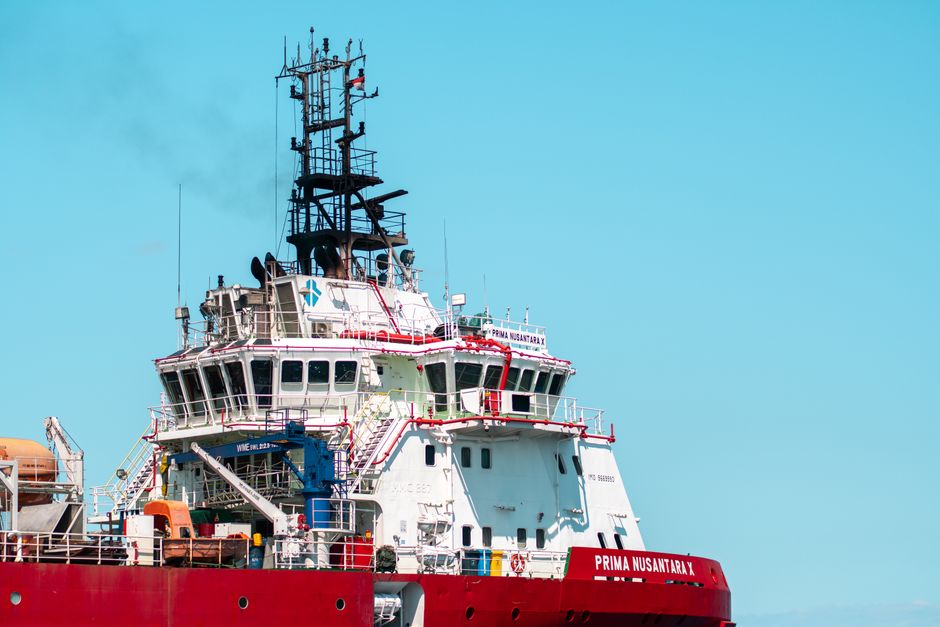
Marine engines can be broadly categorized into two types: inboard and outboard engines. Inboard engines are housed within the hull of the boat, providing better stability and balance, while outboard engines are mounted externally, making them easier to service and replace. Each type has its advantages and disadvantages, and the choice largely depends on the type of vessel and its intended use.
For instance, commercial vessels such as cargo ships often utilize large inboard engines due to their power and efficiency. According to the International Maritime Organization (IMO), large vessels account for about 60% of the total CO2 emissions from shipping, emphasizing the need for more efficient engine technology. On the other hand, recreational boats may benefit from outboard engines for their ease of use and maintenance.
Key Factors to Consider When Choosing a Marine Engine Supplier
When selecting a marine engine supplier, several critical factors should be evaluated. Firstly, the supplier’s reputation in the industry is paramount. A supplier with a solid track record of reliability and customer satisfaction is likely to provide better products and services.
Secondly, consider the range of products offered by the supplier. A comprehensive selection allows for better customization and ensures that the engines meet the specific needs of your vessels. Furthermore, after-sales support is crucial. A good supplier should offer maintenance services, spare parts availability, and technical support to keep your engines running smoothly.
Additionally, pricing and financing options can vary significantly among suppliers. While it may be tempting to choose the cheapest option, it is essential to consider the long-term costs associated with maintenance and fuel efficiency. Investing in a quality engine from a reputable marine engine supplier can lead to significant savings over time.
The Role of Technology in Marine Engines
Technology is rapidly evolving in the marine engine sector. Innovations such as hybrid engines and advanced fuel systems are becoming more prevalent. Hybrid marine engines, which combine conventional diesel engines with electric propulsion systems, offer reduced emissions and fuel consumption, aligning with global sustainability goals.
Moreover, the integration of digital technologies enables better monitoring and management of engine performance. Sensors and IoT devices can provide real-time data on engine status, fuel efficiency, and maintenance needs. This information can be invaluable for operators looking to optimize performance and reduce operational costs.
Future Trends in Marine Engine Supply
The marine engine supply market is witnessing several trends that are likely to shape its future. One significant trend is the push towards decarbonization in the shipping industry. As regulations tighten around emissions, suppliers are focusing on developing engines that comply with stricter environmental standards.
Additionally, the rise of alternative fuels, such as LNG (liquefied natural gas) and hydrogen, is changing the landscape of marine engines. These fuels promise cleaner combustion and lower emissions, appealing to environmentally conscious operators.
Furthermore, the ongoing digital transformation in the industry will enhance operational efficiencies. Suppliers that embrace innovation and adapt to changing technologies will be better positioned to meet the evolving demands of the market.
Conclusion
Choosing the right marine engine supplier is a critical decision that can significantly impact the operational efficiency and environmental compliance of vessels. By understanding the different types of marine engines, evaluating key factors in supplier selection, and keeping an eye on future trends, operators can make informed choices that align with their strategic goals. As the marine industry continues to evolve, staying abreast of technological advancements and regulatory changes will be essential for success.