
Unlocking the Power of Data Analytics Software for Business Success
In today’s data-driven world, businesses are constantly seeking ways to leverage their data to gain a competitive edge. Data analytics software has emerged as a vital tool for organizations aiming to understand complex data sets and make informed decisions. With the right data analytics tools, companies can uncover valuable insights, drive efficiency, and enhance customer experiences.
Understanding Data Analytics Software
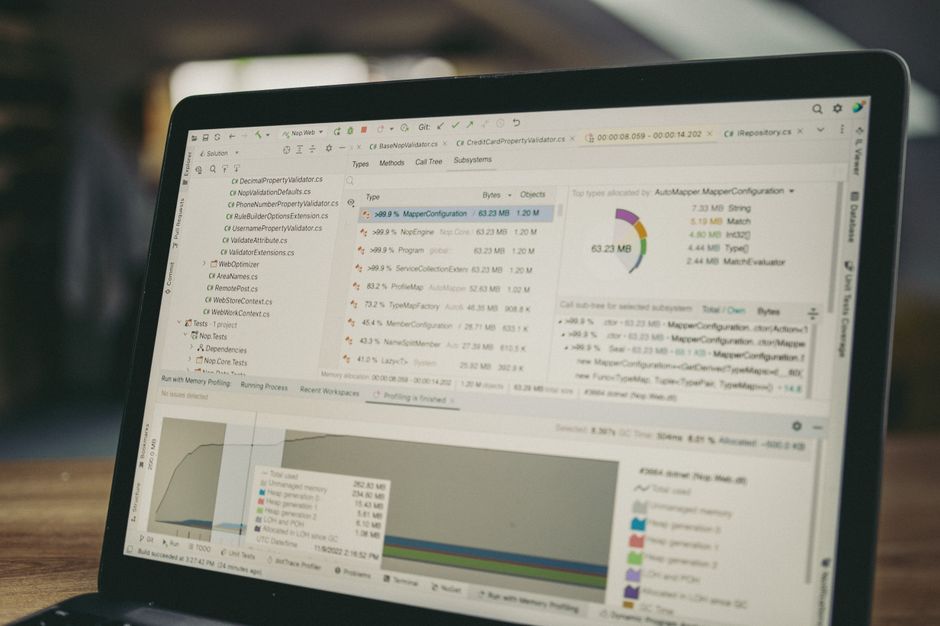
Data analytics software refers to applications and tools that analyze data and provide insights that can help in decision-making processes. These tools can handle a variety of data types, including structured and unstructured data, and often include features such as data visualization, statistical analysis, and predictive modeling. The software is designed to turn raw data into meaningful information, enabling organizations to make data-driven decisions.
One key aspect of data analytics software is its ability to process vast amounts of information quickly and efficiently. For example, businesses can analyze customer behavior patterns, sales trends, and operational metrics in real time. This capability is essential for companies looking to adapt swiftly to market changes and customer needs.
Additionally, data analytics software often integrates with other business systems, such as customer relationship management (CRM) and enterprise resource planning (ERP) systems, allowing for a seamless flow of information across the organization. This integration enhances the overall analytical capabilities and provides a more comprehensive view of business performance.
Types of Data Analytics Software
There are several types of data analytics software available in the market, each serving different analytical needs. Descriptive analytics tools focus on summarizing historical data to provide insights into what has happened in the past. For example, a retail company may use descriptive analytics to analyze sales data from the previous quarter to determine which products were the most popular.
On the other hand, predictive analytics software uses statistical algorithms and machine learning techniques to forecast future outcomes based on historical data. For instance, a financial institution may leverage predictive analytics to assess the likelihood of loan defaults by analyzing past customer behavior.
Prescriptive analytics takes data a step further by recommending actions based on the insights derived from data analysis. This type of software helps businesses optimize their operations by suggesting the best course of action under specific circumstances. For example, a logistics company might use prescriptive analytics to determine the most efficient delivery routes based on traffic patterns and delivery timelines.
The Benefits of Using Data Analytics Software
The implementation of data analytics software can yield numerous benefits for businesses. Firstly, it enhances decision-making by providing accurate and timely insights. Companies that utilize data analytics tools are better equipped to identify trends, assess risks, and seize opportunities before their competitors do.
Moreover, data analytics software promotes operational efficiency. By analyzing data from various business processes, organizations can identify inefficiencies and areas for improvement. For example, a manufacturing company may use data analytics to monitor equipment performance and reduce downtime, leading to significant cost savings.
Another key benefit is the improvement in customer experience. By analyzing customer data, businesses can tailor their products and services to meet customer needs more effectively. This personalized approach not only increases customer satisfaction but also fosters loyalty and repeat business.
Choosing the Right Data Analytics Software
When selecting data analytics software, organizations should consider several factors. First, they need to assess their specific analytical needs and objectives. Different software options excel in different areas, so understanding the unique requirements of the business is critical.
Cost is another important consideration. While some data analytics solutions are available as affordable cloud-based services, others may require significant investments in infrastructure and licensing. Companies must weigh the potential return on investment against the costs involved.
Scalability and ease of use are also crucial factors. As businesses grow, their data analytics needs will likely evolve. Therefore, choosing a solution that can scale with the organization and is user-friendly will facilitate adoption and usage across teams.
Conclusion
In conclusion, data analytics software plays a pivotal role in helping businesses navigate the complexities of a data-driven environment. By harnessing the power of data analytics, organizations can make informed decisions, improve operational efficiency, and enhance customer experiences. As data continues to grow in importance, investing in the right data analytics software will be essential for businesses looking to thrive in the competitive landscape. To explore more about data analytics software options, organizations should conduct thorough research and consider their specific needs and goals.