
The Rising Importance of EV Battery Suppliers in the Automotive Industry
The electric vehicle (EV) market is rapidly growing, and at the heart of this transformation lies a critical component: the battery. As more manufacturers shift their focus to electric powertrains, the demand for reliable and efficient EV batteries has skyrocketed. This article delves into the significance of EV battery suppliers in shaping the future of the automotive industry, the challenges they face, and the innovations driving this sector forward.
The Role of EV Battery Suppliers
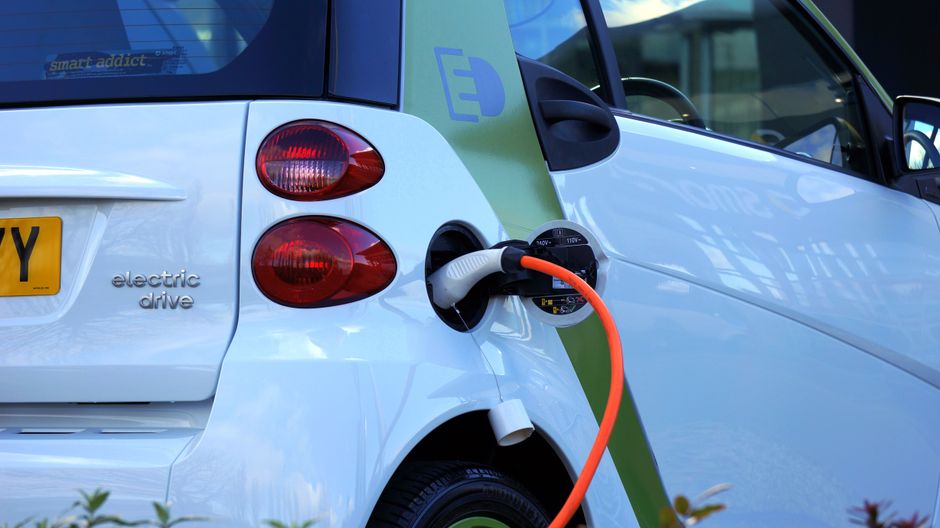
EV battery suppliers are essential players in the automotive supply chain, providing the energy storage systems that power electric vehicles. These suppliers not only manufacture batteries but also engage in the research and development of new technologies. Their role has become increasingly critical as automakers aim to meet stringent emission regulations and consumer demand for longer-range vehicles.
For instance, major automotive companies like Tesla and Ford rely heavily on suppliers like Panasonic and CATL for their battery needs. The relationship between automakers and battery suppliers is often collaborative, with joint ventures emerging to enhance production efficiency and innovation.
Furthermore, as the EV market expands, so does the complexity of battery supply chains. Suppliers must ensure that they can meet the growing demand while maintaining quality and sustainability. This often involves sourcing raw materials responsibly and investing in recycling technologies to minimize environmental impact.
Current Market Trends and Innovations
The EV battery industry is witnessing several transformative trends. One of the most notable is the shift towards solid-state batteries, which promise higher energy densities and improved safety compared to traditional lithium-ion batteries. Companies like QuantumScape are at the forefront of this innovation, seeking to revolutionize how EV batteries are designed and manufactured.
Moreover, the integration of artificial intelligence (AI) and machine learning is streamlining battery development processes. These technologies enable suppliers to optimize production lines, monitor battery health in real-time, and predict maintenance needs, ultimately enhancing overall performance.
Additionally, advancements in battery recycling are becoming a focal point for suppliers. As the number of electric vehicles on the road increases, so does the need for sustainable disposal and reuse of battery materials. Innovative recycling methods are being developed to recover valuable materials like lithium, cobalt, and nickel, thus reducing reliance on virgin resources.
Challenges Facing EV Battery Suppliers
Despite the promising outlook, EV battery suppliers face significant challenges. Supply chain disruptions have become increasingly common, particularly in light of recent global events. The COVID-19 pandemic highlighted vulnerabilities in supply chains, leading to shortages of critical materials and delays in production.
Moreover, the volatility of raw material prices poses a continuous threat to suppliers’ profitability. Fluctuations in the prices of lithium and cobalt can drastically affect production costs and, consequently, the prices of electric vehicles. Suppliers must navigate these challenges while maintaining competitiveness in a rapidly evolving market.
Another challenge is the need for regulatory compliance. As governments implement stricter environmental regulations, battery suppliers are required to adapt their practices to comply with new standards. This includes ensuring that their operations are sustainable and that their products are safe for consumers.
The Future of EV Battery Supply
The future of EV battery suppliers looks promising, driven by technological advancements and increasing global demand for electric vehicles. As automakers continue to commit to electrification, the need for innovative and reliable battery solutions will only grow.
Investments in research and development are crucial for suppliers aiming to stay ahead of the curve. Collaboration with automakers and other stakeholders in the industry will also play a vital role in fostering innovation and overcoming challenges.
As the market evolves, suppliers that prioritize sustainability and efficiency will be well-positioned for success. The transition to electric vehicles is not just a trend; it is a fundamental shift in the automotive landscape that will shape the industry for years to come. For those looking to understand the landscape of battery provision, exploring the leading EV battery supplier companies can provide valuable insights.
Conclusion
In conclusion, EV battery suppliers are pivotal to the success of the electric vehicle market. Their ability to innovate and adapt in response to market demands and challenges will determine the pace of the transition to electric mobility. As the industry continues to grow, the partnership between automakers and battery suppliers will become increasingly important, paving the way for a sustainable and electrified future for transportation.