
Maximizing Efficiency with the Right Greenhouse Equipment
As the demand for sustainable agriculture rises, the importance of using the right greenhouse equipment has never been clearer. Greenhouses allow for year-round production of crops, optimizing growth conditions regardless of external weather conditions. However, to truly harness the potential of these structures, it is essential to invest in high-quality tools and technology that can streamline operations and improve yields.
Understanding Greenhouse Equipment
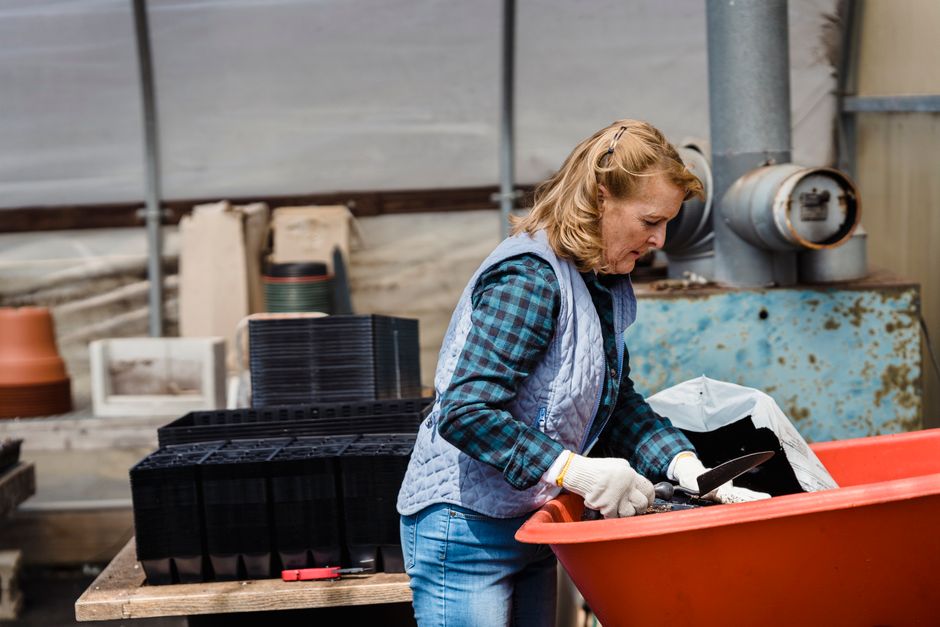
Greenhouse equipment encompasses a wide range of tools and technologies designed to optimize the growing environment for plants. From climate control systems to irrigation setups, each piece of equipment plays a vital role in ensuring that plants grow efficiently and healthily. For instance, using advanced heating and cooling systems can help maintain optimal temperatures throughout the year, which is crucial for plant growth.
Additionally, proper irrigation equipment, such as drip irrigation systems, can significantly reduce water waste while ensuring that plants receive the right amount of moisture. The integration of these systems allows greenhouse operators to manage resources effectively, contributing to both higher productivity and sustainability.
Types of Essential Greenhouse Equipment
There are several categories of greenhouse equipment that every grower should consider. These include:
- Climate Control Systems: These systems regulate temperature and humidity, ensuring an ideal environment for crops. Examples include fans, heaters, and humidifiers.
- Irrigation Systems: Efficient watering is critical. Automated drip systems or misting setups can help maintain moisture levels without overwatering.
- Lighting Systems: Supplemental lighting is often necessary, especially in winter months. LED grow lights can provide the necessary spectrum for photosynthesis without excessive energy consumption.
- Ventilation Equipment: Good airflow is essential for preventing disease and ensuring healthy plant growth. Ventilation fans and roof vents can help circulate air effectively.
Technological Innovations in Greenhouse Equipment
The future of greenhouse management is increasingly connected and automated. Innovations such as IoT (Internet of Things) devices allow growers to monitor and control their environments remotely. Sensors can provide real-time data on temperature, humidity, and soil moisture, enabling more precise management of growing conditions.
Moreover, data analytics tools can help growers make informed decisions based on collected data. For example, analyzing climate data over time can help identify trends and optimize planting schedules for maximum yield. The integration of artificial intelligence in greenhouse management is another exciting development, allowing for predictive analytics and automated adjustments to environmental conditions.
Cost Considerations and Budgeting
While investing in greenhouse equipment can require significant upfront costs, it is important to view these expenses as long-term investments. Efficient systems can lead to reductions in labor and resource costs, ultimately improving the bottom line. For instance, a well-designed irrigation system can save up to 50% of water compared to traditional methods.
Growers should also consider the maintenance costs associated with the equipment. Regular servicing and upgrades can ensure that the systems operate optimally, reducing the risk of breakdowns and crop loss. Budgeting for these expenses is crucial for sustainable greenhouse operations.
Choosing the Right Suppliers
When selecting greenhouse equipment, it is vital to choose reputable suppliers who offer high-quality products and reliable customer support. Researching product reviews and seeking recommendations from other growers can help identify the best options available. Additionally, many suppliers provide warranties and service plans that can provide peace of mind.
One excellent resource for greenhouse equipment is greenhouse equipment suppliers who specialize in the latest technologies and solutions tailored for specific agricultural needs.
Conclusion
In conclusion, investing in the right greenhouse equipment is essential for maximizing crop yields and ensuring sustainable farming practices. By understanding the various types of equipment available and keeping up with technological innovations, growers can create environments that support plant health and productivity. As the agricultural landscape continues to evolve, embracing advanced greenhouse solutions will be key to staying competitive and meeting the growing demands of the market.