
The Enigmatic World of Perfume: A Journey Through Scents
The world of perfume is a captivating realm filled with rich histories, intricate compositions, and emotional connections. From ancient civilizations to modern luxury brands, scent has played a crucial role in human culture. This article delves into the fascinating aspects of perfume, exploring its origins, the art of fragrance creation, and the psychological impact scents have on our lives.
1. The Historical Significance of Perfume
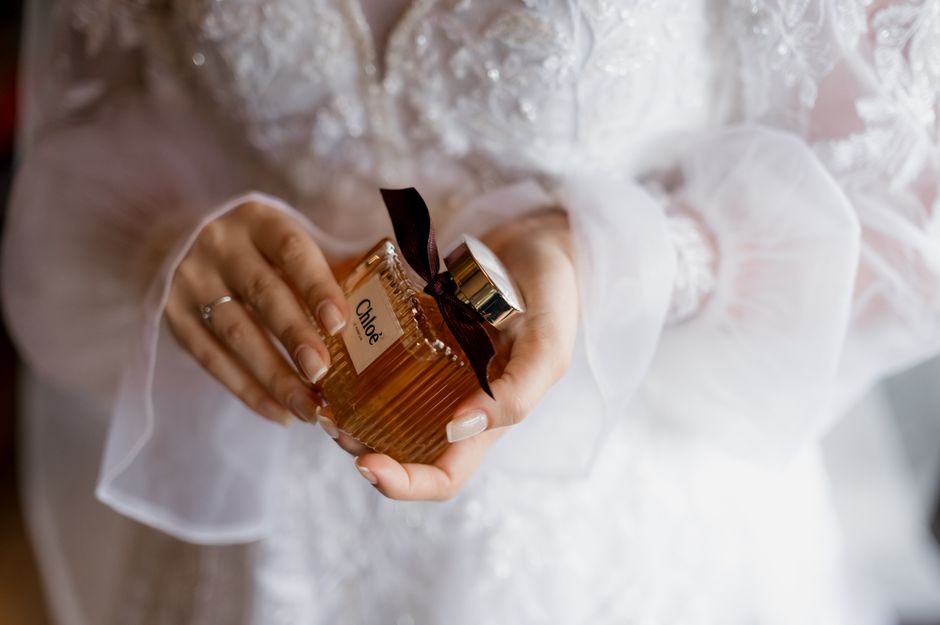
Perfume has been a part of human civilization for thousands of years. The ancient Egyptians, known for their profound understanding of scents, used perfumes in religious rituals, burial practices, and daily life. They believed that fragrances connected them with the divine.
During the Renaissance, perfume gained popularity in Europe, particularly in France and Italy. The art of perfumery evolved, leading to the establishment of luxury fragrance houses. For example, the House of Grasse, located in southern France, became renowned for its production of high-quality essential oils and perfumes.
2. The Art and Science of Creating Fragrances
Creating a perfume is a delicate balance of art and science. Perfumers, also known as nosy, blend various essential oils and synthetic compounds to create unique scents. The process begins with a fragrance brief, outlining the desired scent profile and target audience.
Once the brief is established, perfumers select top, middle, and base notes. Top notes provide the initial impression of the fragrance, middle notes form the heart, and base notes give depth and longevity. This harmonious blend is crucial for a successful perfume.
Brands like Maison Francis Kurkdjian (MFK) exemplify the artistry involved in fragrance creation, offering a range of scents that appeal to diverse preferences. Each bottle tells a story, reflecting the creativity and dedication of the perfumer.
3. The Psychological Impact of Scents
Scent has a profound psychological impact on individuals, often evoking memories and emotions. Research shows that certain fragrances can influence mood and behavior. For instance, lavender is known for its calming properties, while citrus scents can invigorate and energize.
Perfume can also enhance personal identity and self-expression. Many people choose fragrances that resonate with their personality or the image they wish to project. This connection between scent and identity is why many individuals become loyal to specific brands or fragrances.
4. The Modern Perfume Market
Today, the perfume market is a multi-billion dollar industry, with a wide variety of options available to consumers. From niche brands to mass-market fragrances, there is something for everyone. The rise of e-commerce has made it easier for consumers to explore and purchase perfumes from around the world.
Additionally, the trend of sustainability is influencing the fragrance industry. Many brands are now focusing on eco-friendly practices, using natural ingredients and recyclable packaging to appeal to environmentally conscious consumers.
5. Exploring Niche and Artisan Fragrances
Niche and artisan perfumes have gained popularity in recent years, as consumers seek unique and exclusive scents. These smaller brands often focus on quality over quantity, creating handcrafted fragrances with distinctive character.
Exploring niche fragrances can be an exciting journey for scent enthusiasts. Each brand offers a unique perspective on scent creation, often telling a story through their compositions. This artistry is what sets niche perfumes apart from mainstream offerings.
Conclusion
Perfume is much more than just a pleasant scent; it is an art form that connects us to our history, influences our emotions, and enhances our identity. As we explore the world of fragrances, we discover the intricate processes behind their creation and the powerful impact they have on our lives. Whether you’re a seasoned fragrance aficionado or a newcomer to the world of scents, there is always more to learn and experience in this captivating domain.