
The Ultimate Guide to Choosing and Maintaining Your Dryer
In today’s fast-paced world, household appliances like dryers have become essential for convenience and efficiency. A good dryer not only saves time but also ensures your clothes are dried properly, preventing damage that can occur from improper drying methods. In this guide, we will explore the different types of dryers available, their features, maintenance tips, and what to consider when purchasing one.
Types of Dryers
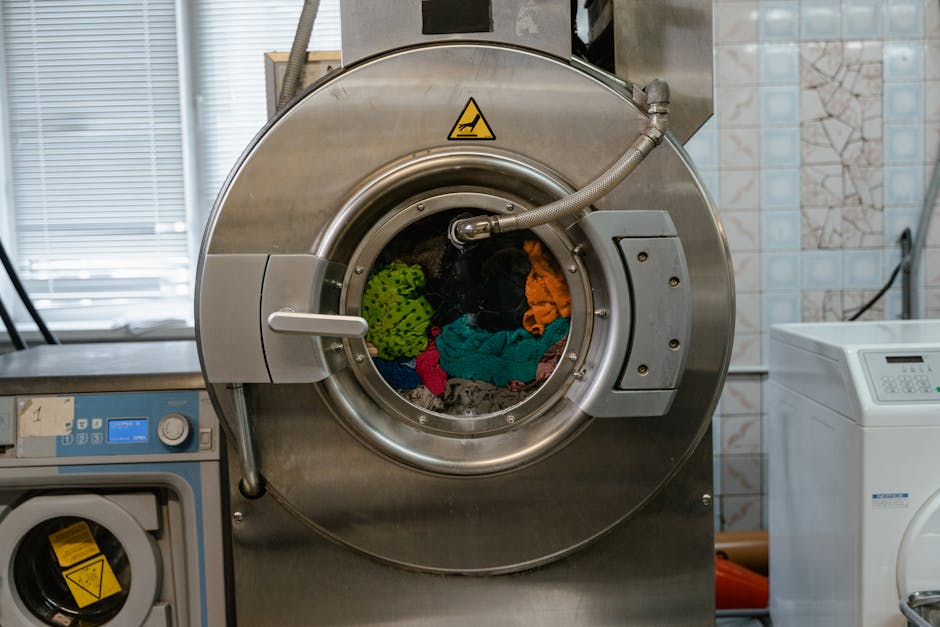
There are primarily two types of dryers: vented and condenser dryers. Vented dryers work by blowing hot air into the drum, which evaporates moisture from the clothes. This moisture-laden air is then expelled outside through a vent. On the other hand, condenser dryers collect moisture in a reservoir, allowing them to be placed anywhere without the need for external venting.
Each type has its pros and cons. Vented dryers are generally faster and less expensive to operate, while condenser dryers offer greater flexibility in placement. Additionally, heat pump dryers, a subtype of condenser dryers, are energy-efficient and environmentally friendly, making them a popular choice among eco-conscious consumers.
Key Features to Consider
When choosing a dryer, consider the following features: drum capacity, energy efficiency, drying programs, and ease of use. Drum capacity is crucial, especially for larger families. Most dryers range from 7 to 9 kilograms of capacity, with larger models available for those who need it.
Energy efficiency is another vital factor, as it can significantly impact your utility bills. Look for dryers with high energy ratings, which often come with features like moisture sensors that automatically turn off the dryer when clothes are dry, saving energy.
Modern dryers also come with a variety of drying programs tailored for different fabrics. For instance, a wool program is gentler and helps maintain the integrity of wool garments, while quick-dry settings can be a lifesaver for busy households. User-friendly controls and display options are also important for ease of operation.
Maintenance Tips for Longevity
Proper maintenance can extend the lifespan of your dryer. One of the most crucial aspects is regularly cleaning the lint filter, which should be done after every load. A clogged filter can reduce efficiency and pose a fire risk.
Additionally, scheduling professional maintenance at least once a year is advisable. Technicians can check for issues that may go unnoticed, such as electrical problems or vent blockages. If you’re in Ottawa, for example, you might want to consider a service like Dryer repair ottawa to ensure your appliance is in top shape.
Another maintenance tip is to periodically inspect the venting system for any blockages. A clean vent not only improves efficiency but also enhances safety by reducing the risk of fire.
Common Problems and Troubleshooting
Even with the best care, dryers can encounter issues. Some common problems include the dryer not heating, not tumbling, or making unusual noises. If your dryer is not heating, it could be due to a faulty heating element or thermostat. In such cases, consulting the user manual or seeking professional help is crucial.
If the dryer is not tumbling, check for a broken belt or issues with the motor. Unusual noises can indicate worn-out drum bearings or other mechanical issues. Addressing these problems promptly can prevent further damage and costly repairs.
Conclusion
In conclusion, choosing the right dryer involves understanding the different types, considering essential features, and maintaining the appliance properly. By following these guidelines, you can ensure your dryer operates efficiently and lasts for many years to come. Remember, regular maintenance and timely repairs are key to keeping your dryer in optimal condition.