
How to Effectively Detect Fraudulent Invoices in Your Business
In today’s fast-paced business environment, the risk of encountering fraudulent invoices is on the rise. Organizations of all sizes are increasingly targeted by scammers who aim to exploit weaknesses in financial processes. Understanding how to detect fraud invoice is crucial for safeguarding your company’s finances and reputation. This article will explore effective strategies and tools that can help you identify and mitigate the risks associated with fraudulent invoicing.
Understanding Fraudulent Invoices
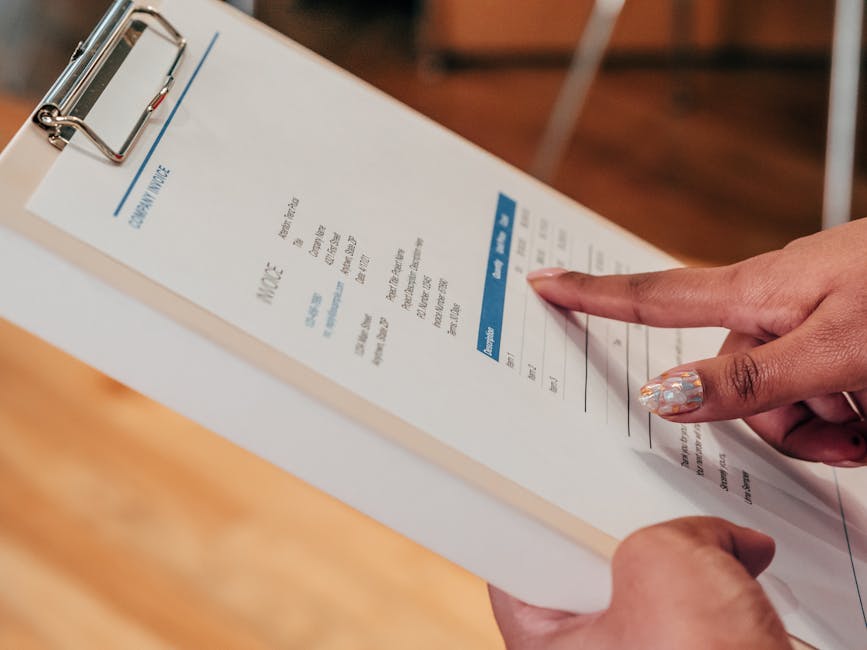
Fraudulent invoices are deceptive bills that are designed to trick businesses into making unauthorized payments. These invoices can take many forms, from fake suppliers to altered legitimate invoices. According to a report by the Association of Certified Fraud Examiners (ACFE), organizations lose an average of 5% of their revenue to fraud each year, with invoice fraud being a significant contributor. Recognizing the various tactics used by fraudsters is the first step in prevention.
Common characteristics of fraudulent invoices include discrepancies in company details, unusual payment terms, or requests for payment to different accounts than usual. By training your staff to recognize these signs, you can create a vigilant workforce that helps protect your business.
Implementing Verification Processes
One of the most effective ways to detect fraud invoice is by implementing rigorous verification processes. This includes confirming the legitimacy of suppliers before processing any invoices. Establishing a clear procedure for onboarding vendors can help ensure that only verified businesses are paid. For example, you could require a background check and references from new suppliers.
Additionally, companies should cross-reference invoices with purchase orders and delivery receipts. If an invoice arrives without prior documentation, it should raise a red flag. Having a dedicated team responsible for verifying invoices can significantly reduce the risk of processing fraudulent payments.
Utilizing Technology for Detection
Incorporating technology into your invoicing process can greatly enhance your ability to detect fraud. Tools such as automated invoice processing systems can analyze invoices for inconsistencies and flag suspicious entries. For instance, software can compare invoice data against historical records to identify anomalies.
Moreover, utilizing machine learning algorithms can help predict potential fraud patterns based on past behaviors. These systems can learn from previous cases of fraud and adapt to new tactics used by fraudsters. Investing in technology not only saves time but also increases the accuracy of fraud detection.
Conducting Regular Audits
Regular audits are essential for maintaining financial integrity within your organization. Conducting thorough audits can help identify discrepancies in your financial records and highlight potential fraud. During these audits, it is crucial to examine all invoices against supplier contracts and payment histories.
Implementing a whistleblower policy can also encourage employees to report suspicious activities. When employees know they can report fraud without fear of retaliation, they are more likely to speak up about irregularities they observe.
Training Employees on Fraud Awareness
Training your staff on the importance of fraud awareness is a proactive measure that can significantly enhance your defenses against invoicing fraud. Employees should be educated on recognizing the signs of fraudulent invoices and the steps to take if they suspect fraud. Regular training sessions and workshops can reinforce the importance of vigilance and proper procedures.
Additionally, fostering a culture of transparency and ethical behavior within the organization can encourage employees to act responsibly. When everyone understands the potential consequences of fraud, they are more likely to take preventive measures seriously.
Conclusion
Detecting fraudulent invoices requires a multifaceted approach that includes understanding the nature of fraud, implementing verification processes, leveraging technology, conducting regular audits, and training employees. By adopting these strategies, businesses can significantly reduce their vulnerability to invoice fraud. Remember, an ounce of prevention is worth a pound of cure. For more detailed guidance on how to detect fraud invoice, consider investing in specialized tools and training programs that can bolster your defenses.