
The Evolution of the Construction Industry: Challenges and Opportunities
The construction industry is a vital sector that not only shapes our skylines but also serves as a backbone for economic growth. As urbanization accelerates and technology advances, the industry faces a multitude of challenges and opportunities that demand innovative solutions. In this article, we will explore the current state of the construction industry, the impact of technology, sustainability trends, workforce issues, and future prospects.
Current State of the Construction Industry
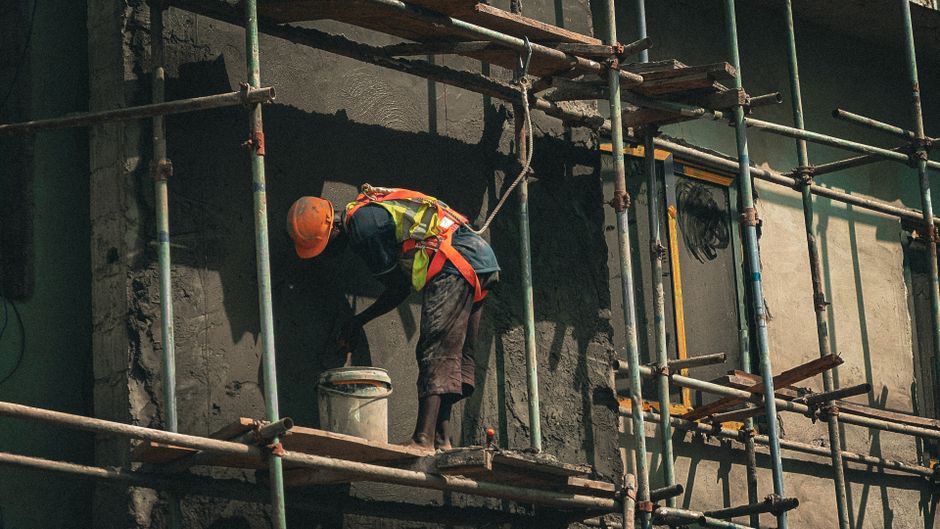
The construction industry is a multi-trillion dollar sector worldwide, contributing significantly to GDP and employment. In the United States alone, it is estimated that the industry generates over $1.3 trillion annually. This robust growth is driven by various factors, including population growth, urbanization, and the need for infrastructure redevelopment. However, the industry is not without its hurdles. Issues such as rising material costs, labor shortages, and regulatory challenges pose significant obstacles to growth.
For instance, lumber prices have skyrocketed in recent years, increasing project costs and timelines. Additionally, the construction workforce is aging, with many skilled laborers nearing retirement age. This shortage of skilled labor is prompting companies to explore new training programs and recruitment strategies to attract younger workers.
The Role of Technology in Construction
Technology is transforming the construction industry at an unprecedented pace. Innovations such as Building Information Modeling (BIM), drones, and prefabrication are revolutionizing how projects are planned, executed, and managed. BIM, for example, allows for better visualization and collaboration among stakeholders, reducing errors and improving efficiency.
Drones are increasingly being used for site surveys, providing real-time data and monitoring progress without the need for extensive manpower. Furthermore, prefabrication allows for components of a building to be constructed off-site and then assembled on-site, significantly reducing construction time and waste.
Companies that embrace these technologies often find themselves with a competitive edge. They can deliver projects faster and more efficiently, leading to higher client satisfaction and improved profit margins.
Sustainability Trends in Construction
Sustainability has become a focal point in the construction industry as stakeholders increasingly recognize the importance of environmentally responsible practices. The push for green buildings is not just a trend; it is becoming a standard expectation. This shift is driven by a combination of regulatory requirements, consumer demand, and the need to minimize environmental impact.
For example, the U.S. Green Building Council’s LEED certification has gained traction, encouraging builders to adopt sustainable materials and energy-efficient designs. Many companies are now prioritizing sustainable practices, such as using recycled materials and implementing energy-efficient systems, to meet these standards.
Moreover, the construction industry is now focusing on reducing carbon footprints throughout the building lifecycle, from design to demolition. This commitment to sustainability can also lead to long-term cost savings for building owners, making it a win-win situation.
Workforce Challenges in the Construction Industry
The construction industry is grappling with a significant labor shortage, which poses a threat to its growth. With many experienced workers retiring and fewer young people entering the field, companies are struggling to fill essential roles. According to the Associated General Contractors of America, 80% of construction firms report difficulty in finding qualified workers.
To combat this issue, companies are beginning to invest in training and apprenticeship programs that appeal to younger generations. By partnering with local schools and vocational institutions, the industry aims to cultivate a new workforce that is equipped with the necessary skills and knowledge.
Additionally, the industry is also exploring ways to improve working conditions and benefits to attract talent. Offering competitive wages, career advancement opportunities, and a focus on safety can help make construction jobs more appealing.
Future Prospects for the Construction Industry
Looking ahead, the construction industry is poised for growth, driven by infrastructure investments and technological advancements. Governments worldwide are increasing spending on infrastructure to stimulate economic recovery, which will create job opportunities and demand for construction services.
Furthermore, as technology continues to evolve, the potential for automation in construction is becoming a reality. Robotics and artificial intelligence have the potential to streamline processes and improve safety, ultimately reshaping the workforce.
In conclusion, the construction industry is at a pivotal moment. While it faces various challenges, it also has the opportunity to leverage technology and adopt sustainable practices to secure a prosperous future. As industry stakeholders navigate these changes, collaborative efforts and innovation will be key to ensuring success.
For businesses looking to connect with others in the field, participating in a construction network charlotte nc can provide valuable resources and networking opportunities.