
The Timeless Appeal of Wristwatches: A Blend of Functionality and Fashion
In a world where technology seems to dominate our lives, wristwatches have managed to maintain their allure, serving not only as practical timekeeping devices but also as significant fashion statements. The evolution of wristwatches over the decades reflects changes in style, technology, and societal norms. This article delves into the multifaceted world of wristwatches, exploring their history, styles, and their place in modern fashion.
The History of Wristwatches
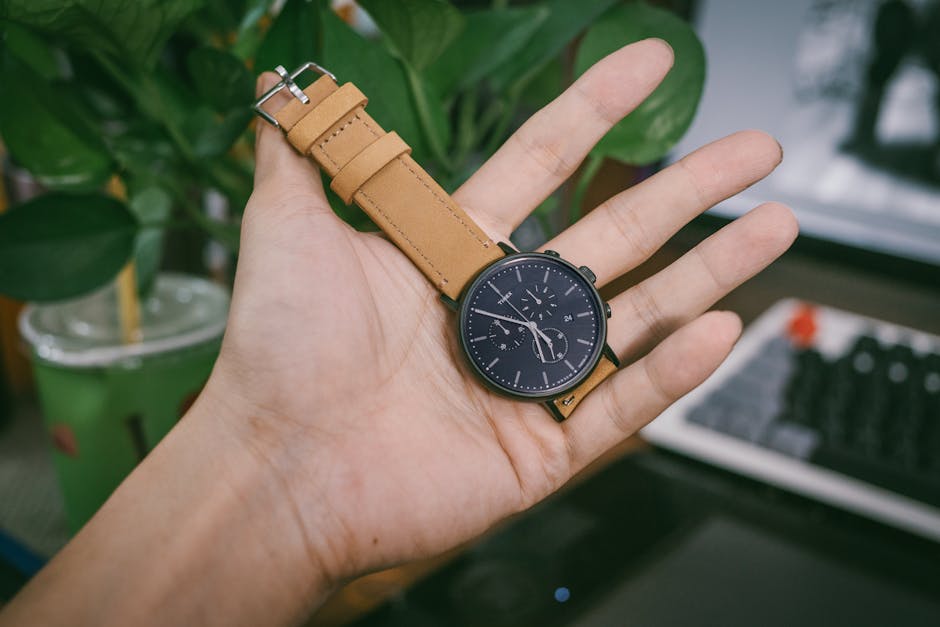
The origin of wristwatches dates back to the late 19th century when they were primarily seen as ladies’ accessories. Men typically used pocket watches, which were considered more masculine. However, with the advent of World War I, the practicality of wristwatches became apparent as soldiers needed to keep their hands free while still being able to tell time. This shift marked the beginning of the wristwatch’s rise to popularity among men.
By the 1920s and 1930s, wristwatches began to evolve significantly in terms of design and functionality. Iconic brands like Rolex and Patek Philippe emerged, setting standards for luxury and precision. The introduction of quartz movements in the 1970s revolutionized the industry, allowing for more accurate timekeeping and leading to the quartz crisis, which forced traditional watchmakers to innovate.
Types of Wristwatches
Wristwatches can be broadly categorized into several types, each serving different purposes and appealing to diverse tastes. Mechanical watches, which include both manual and automatic types, are favored by purists who appreciate the intricate craftsmanship involved. These watches often feature complex movements and are considered collectibles.
On the other hand, quartz watches, powered by battery, are celebrated for their accuracy and low maintenance. They tend to be more affordable, making them accessible to a wider audience. Smartwatches have also entered the market, integrating technology with traditional watch elements. These devices not only tell time but also offer functionalities such as fitness tracking, notifications, and even mobile payment options.
The Role of Wristwatches in Fashion
Wristwatches are more than just timepieces; they are significant fashion accessories that reflect personal style and status. Designers often collaborate with watchmakers to create limited-edition pieces that merge luxury with artistry. For instance, brands like Gucci and Dior have ventured into the watch industry, producing pieces that feature bold designs and unique materials.
Moreover, the choice of a wristwatch can convey a lot about one’s personality. A classic leather strap watch may communicate professionalism and sophistication, while a colorful rubber strap might indicate a more casual or playful attitude. Celebrities and influencers often play a role in popularizing certain styles, making them highly sought after by fans and fashion enthusiasts.
Collecting Wristwatches: A Growing Trend
The trend of collecting wristwatches has seen a significant rise in recent years. Enthusiasts often search for unique pieces that tell a story, whether it be vintage models or limited editions. The value of certain watches can appreciate significantly over time, making them not only a passion but also a potential investment.
Some collectors focus on specific brands or styles, while others may seek out rare models that are hard to find. The advent of online platforms has made it easier for collectors to connect, trade, and acquire desired pieces. For those looking for affordable options, the market for clone watches has also grown, offering the look of luxury watches without the hefty price tag.
The Future of Wristwatches
As technology continues to evolve, the future of wristwatches seems promising yet uncertain. While smartwatches are gaining traction, traditional wristwatches still hold a unique charm that appeals to many. The craftsmanship involved in mechanical watches and the artistry of design ensure that wristwatches will remain relevant.
Moreover, as sustainability becomes a pressing issue, many brands are exploring eco-friendly materials and practices. This approach not only caters to environmentally conscious consumers but also adds another layer of value to the timepieces. The integration of heritage and innovation will likely define the next chapter in the story of wristwatches.
Conclusion
Wristwatches have transcended their primary function of timekeeping to become symbols of style, status, and personal expression. Whether one prefers the intricate mechanics of a mechanical watch, the reliability of quartz, or the latest smartwatch technology, there is undoubtedly a timepiece that suits every individual’s taste. As we look to the future, the enduring appeal of wristwatches suggests that they will continue to be cherished accessories for generations to come.