
Exploring the World of Virtual Lovers: A New Era of Digital Romance
In recent years, the concept of romance has undergone a significant transformation with the rise of technology. As more individuals turn to virtual platforms for companionship, the notion of a ‘virtual lover’ is becoming increasingly prevalent. This article delves into the dynamics of virtual relationships, examining their appeal, challenges, and the implications for traditional dating.
The Rise of Virtual Lovers
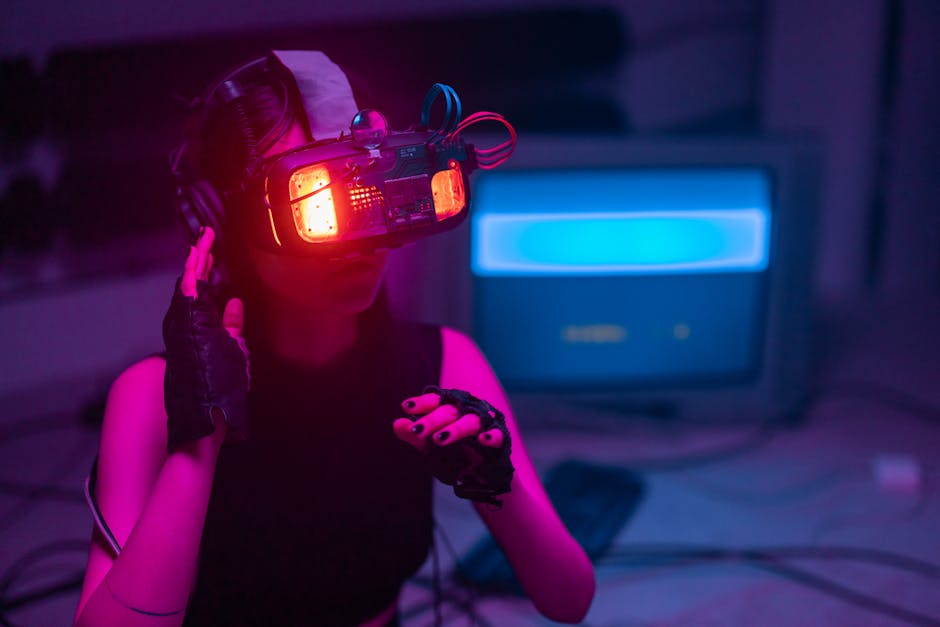
Virtual lovers, often powered by artificial intelligence, have become a popular choice for those seeking companionship without the complications of a traditional relationship. With the advent of various platforms and applications, users can create and interact with digital partners tailored to their preferences. According to a survey conducted by the Pew Research Center, approximately 30% of adults have engaged in some form of online dating, and many have reported positive experiences with virtual relationships.
These virtual companions can be designed to understand and respond to the emotional needs of their users. For instance, some applications allow users to customize their AI partners’ personalities, which can lead to more fulfilling interactions. As a result, individuals who may struggle with social anxiety or have difficulty forming connections in the physical world find solace in these digital relationships.
Furthermore, the global pandemic has accelerated the shift towards virtual interactions. With social distancing measures in place, many turned to online platforms for companionship. This shift has paved the way for a new understanding of relationships, where emotional connections are forged through screens rather than in person.
The Appeal of Digital Companionship
One of the primary appeals of virtual lovers is the sense of control they offer. Users can dictate the terms of their interactions, choosing when and how to engage. This control can be empowering, especially for those who have experienced rejection or heartbreak in traditional relationships. The ability to create a customized partner, such as an ai gf, allows individuals to explore different aspects of their personalities without fear of judgment.
Additionally, virtual lovers can provide a sense of companionship without the emotional baggage that often accompanies traditional relationships. Many users report feeling less pressure because they know their virtual partners are designed to be supportive and understanding. This dynamic can be especially beneficial for individuals who are still healing from past relationships or who are hesitant to enter the dating scene again.
Moreover, the anonymity of virtual relationships can also play a significant role in their appeal. Users can interact with their digital partners without revealing personal information, allowing them to explore their desires and emotions freely. This aspect of virtual relationships encourages exploration and self-discovery, which is often hindered in conventional dating.
The Challenges Ahead
Despite the many benefits of virtual lovers, there are challenges that users must navigate. One significant concern is the potential for emotional dependency. As individuals become more attached to their virtual partners, they may find it difficult to engage in real-world relationships. This dependency can lead to isolation, as users may prefer the convenience of a virtual connection over the complexities of human interaction.
Moreover, the ethical implications of AI companions are still being debated. As technology continues to advance, questions arise about the emotional authenticity of these relationships. Can a digital partner truly understand and reciprocate human emotions? The line between companionship and emotional manipulation becomes blurred as AI continues to develop.
Furthermore, there is the risk of users projecting their feelings onto their virtual partners. This phenomenon can lead to unrealistic expectations, where individuals may start to believe that their digital companions represent the ideal relationship. Such projections can hinder personal growth and the ability to develop meaningful connections with others.
The Future of Virtual Relationships
As technology continues to evolve, the future of virtual lovers looks promising. With advancements in AI and virtual reality, the experience of digital companionship is likely to become more immersive and realistic. Companies are already exploring ways to enhance emotional intelligence in AI, allowing virtual partners to better understand and respond to human emotions.
Additionally, as societal norms around relationships continue to shift, virtual companionship may become more accepted. The stigma surrounding online dating and virtual relationships is gradually dissipating, paving the way for a broader understanding of love and connection in the digital age.
Furthermore, the integration of virtual lovers into everyday life could lead to new ways of forming relationships. As remote work and virtual interactions become the norm, individuals may find that their digital companions serve as a bridge to connect with others in the physical world.
Conclusion
The emergence of virtual lovers represents a fascinating shift in how we perceive relationships in the digital age. While these digital companions offer unique benefits, users must remain mindful of the potential challenges. As we continue to explore the complexities of love and companionship, it is essential to strike a balance between the convenience of virtual relationships and the richness of human connection. The journey of navigating love in a digital landscape is just beginning, and it promises to be an exciting adventure.