
Exploring the World through Virtual Tour Photography
In the age of digital technology, virtual tour photography has emerged as a revolutionary tool that transforms how we experience places without physically being there. This innovative approach combines photography and technology to create immersive experiences that allow viewers to explore spaces in a way that was previously unimaginable. From real estate to tourism, the applications of virtual tour photography are vast and varied, providing a unique advantage in today’s visual-centric world.
What is Virtual Tour Photography?
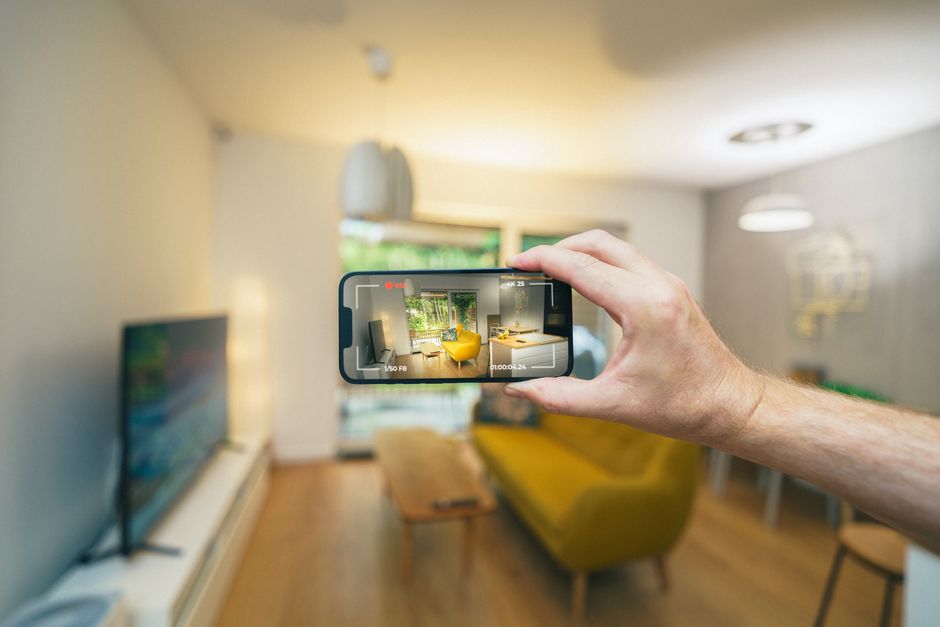
Virtual tour photography is a method of capturing a series of images that are then stitched together to create a 360-degree view of a space. These panoramas can be navigated by users, allowing them to explore the environment as if they were physically present. This technology typically uses specialized equipment such as panoramic cameras or multiple DSLR cameras with fisheye lenses to capture high-resolution images from multiple angles.
One key aspect of virtual tour photography is its ability to provide context and depth. Unlike traditional photography, which offers a flat representation, virtual tours allow users to engage with the environment in a more interactive way. This is particularly beneficial for industries like real estate, where potential buyers can take virtual walkthroughs of properties from the comfort of their homes.
The Benefits of Virtual Tour Photography
There are numerous benefits associated with virtual tour photography. First and foremost, it enhances user engagement. Studies show that listings with virtual tours receive significantly more views than those without. Additionally, virtual tours can help businesses save time and resources by reducing the need for in-person visits.
For example, real estate agents can showcase properties to multiple clients at once, allowing them to reach a wider audience without the logistical challenges of scheduling viewings. Furthermore, businesses in the hospitality sector can use virtual tours to attract guests by providing an immersive preview of their accommodations. A hotel that offers a virtual tour can entice potential customers by showcasing its rooms, amenities, and unique features.
Applications in Different Industries
Virtual tour photography has found its place in various industries, each leveraging this technology to enhance customer experience. In real estate, listings with virtual tours have become a standard practice as they allow buyers to visualize spaces better. According to a 2021 report, properties with virtual tours sell 20% faster than those without.
In tourism, virtual tours serve as a digital gateway to attractions, allowing travelers to explore destinations before booking their trips. Museums, historical sites, and national parks have all adopted virtual tours to provide visitors with a taste of what they can expect. This not only aids in planning but also increases interest and engagement with the locations.
Furthermore, the education sector has embraced virtual tours as a tool for remote learning. Schools and universities can offer virtual campus tours, providing prospective students with a glimpse into campus life, thus enhancing their recruitment strategies.
Challenges and Considerations
Despite its many advantages, virtual tour photography does come with its challenges. High-quality virtual tours require skilled photographers and sophisticated equipment, which can involve substantial investment. Additionally, creating an engaging and navigable experience requires expertise in both photography and software development.
Moreover, businesses must consider how to integrate virtual tours into their overall marketing strategies effectively. While virtual tours can attract users, they must be part of a comprehensive approach that includes traditional marketing methods and social media engagement to maximize reach and effectiveness.
The Future of Virtual Tour Photography
As technology continues to evolve, the future of virtual tour photography looks promising. Advancements in VR (Virtual Reality) and AR (Augmented Reality) are expected to take virtual tours to the next level, providing even more immersive experiences. Imagine exploring a historical site while receiving real-time information through AR, enhancing the educational value of virtual tours.
Furthermore, as internet speeds improve and access to high-speed connections becomes more widespread, the potential audience for virtual tours will only grow. Businesses that adapt to these changes and incorporate virtual tours into their strategies will likely see significant benefits in terms of customer engagement and satisfaction.
In conclusion, virtual tour photography is not just a passing trend; it is a powerful tool that is reshaping how we interact with spaces. Embracing this technology can provide businesses with a competitive edge, allowing them to connect with their audiences in meaningful ways. As we look to the future, one thing is clear: the world of virtual tour photography is just beginning to unfold.