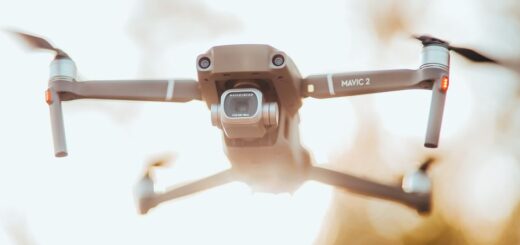
Exploring the World of Aerial Drone Photography
Aerial drone photography has revolutionized the way we capture images from above, offering stunning perspectives that were once only possible through traditional photography methods. With advancements in technology, drones equipped with high-resolution cameras can now provide breathtaking visuals for a variety of applications, from real estate to nature exploration. This article delves into the fascinating world of aerial drone photography, exploring its benefits, challenges, and future trends in the industry.
The Rise of Aerial Drone Photography
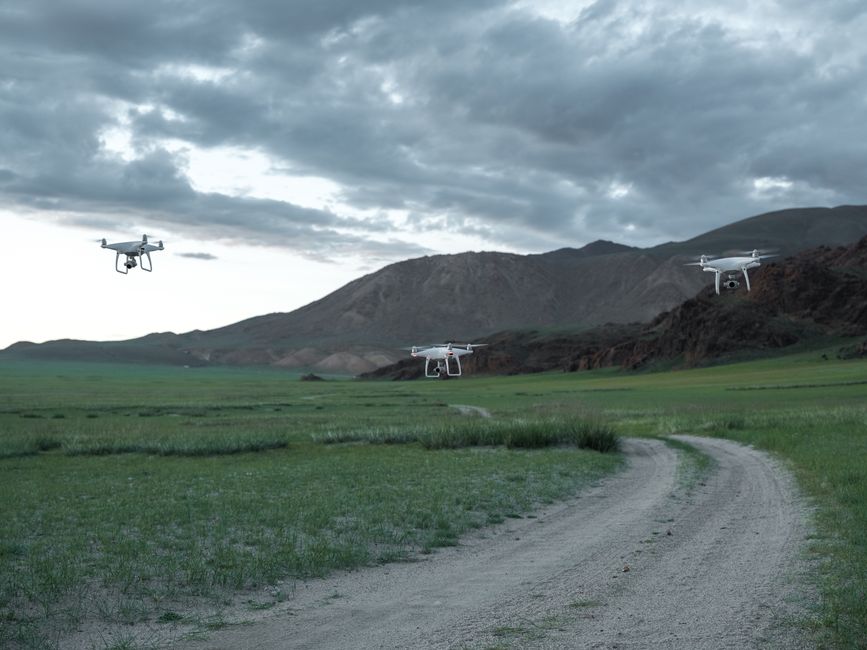
In recent years, the popularity of aerial drone photography has skyrocketed. According to industry reports, the drone market is expected to reach $43 billion by 2024, with a significant portion attributed to photography and videography. This growth is fueled by the accessibility of drones, which have become more affordable and user-friendly, enabling both amateurs and professionals to explore aerial photography.
The introduction of drones has democratized photography, allowing anyone with a basic understanding of technology to capture stunning aerial shots. Aerial drone photography is now a common tool for real estate agents, event planners, and even travel bloggers looking to provide unique content. The ability to capture sweeping landscapes or detailed property shots from above has created new opportunities for various industries.
Moreover, the integration of GPS technology allows for more precise control and planning of shots. Drones can be programmed to follow specific flight paths, ensuring consistent and high-quality images. As a result, photographers can focus on the creative aspects of their work rather than the technical challenges of aerial shooting.
Applications of Aerial Drone Photography
Aerial drone photography serves a multitude of purposes across different sectors. In real estate, for instance, high-quality aerial images can significantly enhance property listings. Studies show that properties with aerial photographs sell 68% faster than those without. Buyers are often more attracted to listings that showcase the property from a unique angle, highlighting features such as large yards, proximity to parks, and neighborhood layouts.
In the realm of environmental studies, aerial drones are used to monitor wildlife and assess changes in landscapes due to natural disasters or human intervention. For example, researchers have utilized drones to capture images of deforestation and its impact on local ecosystems. This data can be invaluable for conservation efforts and policy-making.
Moreover, drones are becoming increasingly popular in the film and entertainment industry. Filmmakers can achieve cinematic shots that were once only possible with helicopters at a fraction of the cost. Aerial drone photography has been featured in numerous blockbuster films and television shows, providing sweeping vistas and dynamic action sequences that enhance storytelling.
Challenges in Aerial Drone Photography
Despite its many advantages, aerial drone photography is not without its challenges. One of the primary concerns is the regulatory framework surrounding drone usage. In many countries, operators must adhere to strict regulations regarding where and how drones can be flown. For instance, flying drones in populated areas or near airports is often prohibited, which can limit a photographer’s options.
Additionally, weather conditions can pose a significant challenge for drone operators. Wind, rain, and low visibility can affect flight safety and image quality. Photographers must be prepared to adapt their plans according to weather forecasts, which can sometimes lead to missed opportunities.
Battery life is another critical factor that can impact aerial drone photography. Most consumer drones have a flight time of around 20 to 30 minutes, which requires careful planning to ensure that photographers can capture all the desired shots within this limited timeframe. As technology advances, we can expect improvements in battery efficiency, but for now, operators must be strategic in their approach.
Future Trends in Aerial Drone Photography
The future of aerial drone photography looks promising, with continual advancements in technology and growing interest across various industries. One significant trend is the rise of AI-driven drones, which can automatically identify and track subjects, making it easier for photographers to capture dynamic shots without manual intervention. This technology has the potential to streamline the workflow for many photographers, allowing them to focus on the creative aspects of their work.
Additionally, the integration of 5G technology will enhance real-time data transmission, enabling drone operators to receive high-definition images and video feeds instantly. This advancement will allow for more precise adjustments and real-time decision-making during shoots, further enhancing the quality of aerial photography.
Moreover, as more industries recognize the value of aerial imagery, we can expect to see increased collaborations between drone operators and businesses. Whether it’s for marketing campaigns, environmental monitoring, or urban planning, the demand for high-quality aerial visuals will likely continue to grow.
As we look ahead, the potential of aerial drone photography will undoubtedly expand, pushing the boundaries of creativity and innovation in photography.
Conclusion
Aerial drone photography has transformed the landscape of imaging, offering unique perspectives and invaluable data across various sectors. While challenges remain, the benefits and future potential of this technology are undeniable. As both amateurs and professionals continue to explore the skies with drones, we can anticipate a future filled with breathtaking visuals and innovative applications, solidifying aerial drone photography as a staple in the modern photographer’s toolkit.