
Exploring the World of Luxury Brand Reselling
The luxury market has always fascinated consumers, and in recent years, the trend of luxury brand reselling has gained significant momentum. This phenomenon allows individuals to buy and sell pre-owned luxury goods, making high-end fashion more accessible while also creating a vibrant secondary market. In this article, we will delve into the intricacies of luxury brand reselling, examining its benefits, challenges, and the key players involved.
Understanding Luxury Brand Reselling
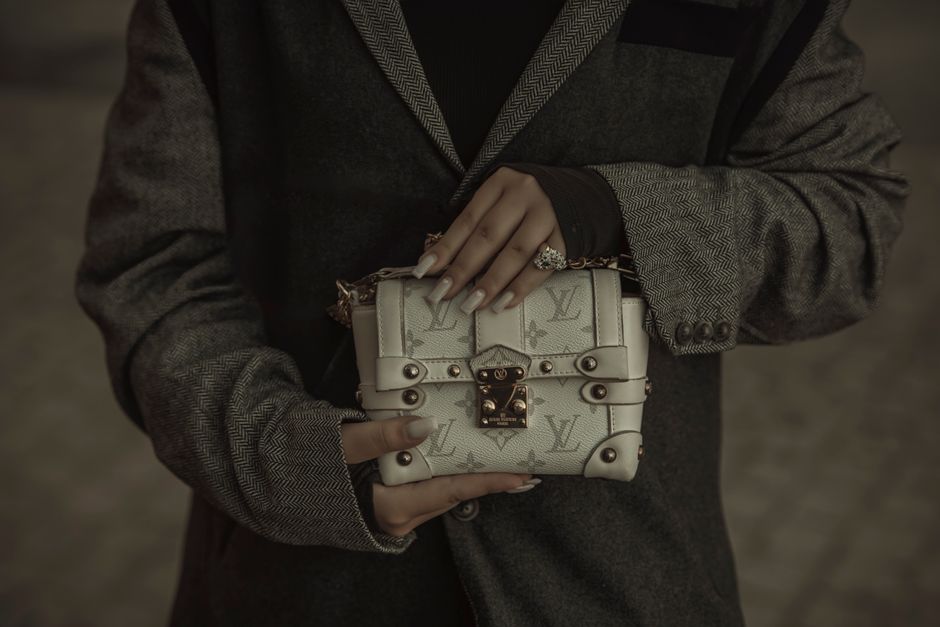
Luxury brand reselling refers to the practice of selling pre-owned luxury goods such as designer handbags, shoes, and clothing. This market has expanded dramatically, driven by a growing awareness of sustainability and economic factors. Consumers are increasingly looking to purchase items that retain their value, and luxury goods are no exception. According to a recent report, the global luxury resale market is expected to reach $64 billion by 2024. This growth highlights the rising demand for second-hand luxury items, which are often sold at a fraction of their original retail price.
Platforms and marketplaces dedicated to luxury resale have emerged, providing a space for consumers to buy and sell these high-end items. Websites like The RealReal and Vestiaire Collective have carved a niche in this market, offering authentication services to ensure the quality and authenticity of the products. These platforms have made it easier for sellers to reach potential buyers and for consumers to find unique luxury items.
Benefits of Reselling Luxury Brands
One of the primary advantages of luxury brand reselling is the potential for significant savings. Consumers can find designer items at reduced prices, making luxury fashion more attainable. This is particularly appealing for those who may not have the budget to purchase brand-new items. Additionally, reselling allows consumers to recoup some of their initial investment. Many luxury items, especially iconic pieces, can retain a considerable portion of their value, making them a wise investment choice.
Another important aspect is the sustainability factor. Reselling luxury goods promotes a circular economy by extending the lifecycle of products. This practice reduces waste and minimizes the environmental impact of the fashion industry. As consumers become more environmentally conscious, the appeal of buying pre-owned luxury items continues to grow.
Challenges in the Luxury Reselling Market
Despite the benefits, the luxury brand reselling market is not without its challenges. One of the main concerns for consumers is the authenticity of the products being sold. Counterfeit goods are prevalent in the luxury market, and buyers must be cautious when purchasing items from individual sellers. This is where reputable platforms play a crucial role by offering authentication services to ensure that the items are genuine.
Additionally, sellers may face difficulties in pricing their items. Determining the right price for a pre-owned luxury item can be tricky, as it depends on various factors such as brand, condition, and current market trends. Sellers must conduct thorough research to price their items competitively while still ensuring they receive a fair return on their investment.
The Role of Technology in Luxury Reselling
Technology has significantly influenced the luxury brand reselling market. Mobile apps and online marketplaces have made it easier for consumers to buy and sell luxury items from the comfort of their homes. Social media platforms, particularly Instagram, have also become vital tools for sellers to showcase their products to a broader audience.
Moreover, advancements in artificial intelligence (AI) and machine learning are enhancing the authentication process. Many platforms are now employing AI technology to analyze images and detect counterfeit items, providing an added layer of security for buyers. This technological integration is helping to build trust within the luxury reselling market.
Conclusion
The luxury brand reselling industry is evolving rapidly, offering consumers new opportunities to access high-end fashion while promoting sustainability. As the market continues to grow, it is essential for buyers and sellers to stay informed about trends, challenges, and best practices. Whether you are looking to sell your luxury items or find that perfect designer piece at a fraction of the cost, understanding the dynamics of this market can lead to a rewarding experience. For those interested in entering this world, consider exploring reputable platforms or connecting with a luxury brand reseller that can guide you through the process.