
Understanding the Role of MEP Engineering Companies in Modern Construction
In today’s rapidly evolving construction industry, the significance of MEP (Mechanical, Electrical, and Plumbing) engineering cannot be overstated. These engineering disciplines are essential for the design and construction of buildings, ensuring that all systems function efficiently and effectively. MEP engineering companies play a crucial role in integrating these systems into new and existing structures, contributing to sustainability, safety, and overall building performance.
What is MEP Engineering?
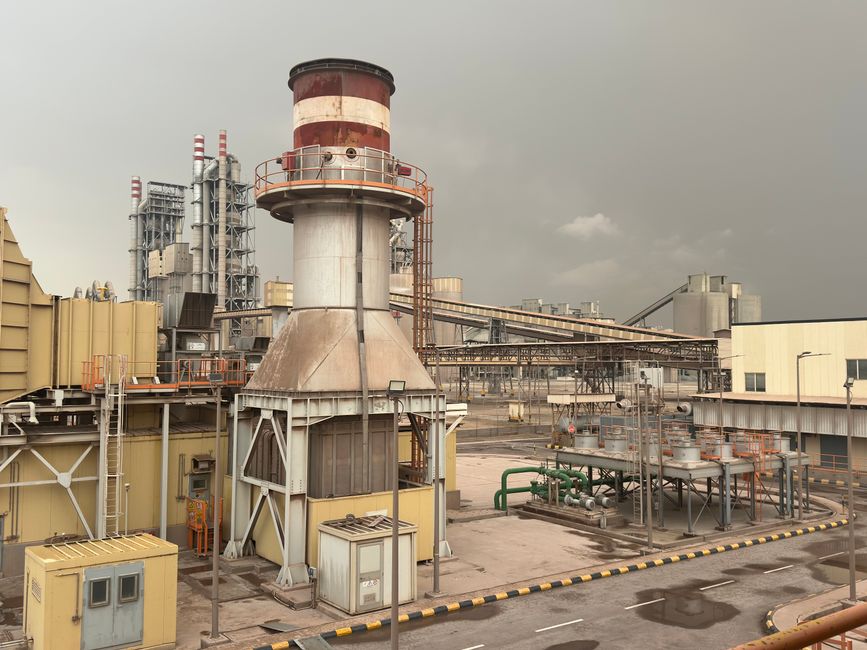
MEP engineering refers to the integrated design and management of mechanical, electrical, and plumbing systems within a building. These systems are essential for providing comfort, safety, and energy efficiency. Mechanical systems include heating, ventilation, and air conditioning (HVAC), while electrical systems cover power distribution, lighting, and communication. Plumbing systems handle water supply, drainage, and waste management.
The importance of MEP engineering became especially evident during the COVID-19 pandemic, as building ventilation and air quality gained heightened attention. Proper MEP design can help mitigate the spread of airborne diseases by ensuring adequate airflow and filtration.
Key Services Offered by MEP Engineering Companies
MEP engineering companies provide a wide range of services that are critical to the success of construction projects. These services typically include:
- Design and Documentation: Creating detailed engineering drawings and specifications for MEP systems.
- Consultation: Advising architects, contractors, and clients on the best practices and technologies for MEP systems.
- Energy Modeling: Analyzing energy consumption and proposing solutions for improved efficiency.
- Project Management: Overseeing the installation and commissioning of MEP systems to ensure compliance with design specifications.
For instance, when designing a new office building, a MEP engineering company may conduct an energy analysis to determine the most efficient HVAC system, ensuring comfort for occupants while minimizing energy costs.
The Impact of MEP Engineering on Sustainability
As the construction industry increasingly focuses on sustainability, MEP engineering plays a pivotal role in achieving green building certifications such as LEED (Leadership in Energy and Environmental Design). MEP engineers are tasked with designing systems that reduce energy consumption and utilize renewable energy sources.
For example, integrating solar panels into the electrical system of a building can significantly lower its carbon footprint. Additionally, utilizing high-efficiency plumbing fixtures can reduce water usage, contributing to overall sustainability goals. Statistics show that buildings account for nearly 40% of global energy consumption, underscoring the need for efficient MEP design.
Challenges Faced by MEP Engineering Companies
Despite the vital role they play, MEP engineering companies face numerous challenges. Rapid technological advancements mean that engineers must continually update their skills and knowledge. Moreover, the complexity of modern building systems requires close collaboration with various stakeholders.
Another challenge is adhering to stringent building codes and regulations, which can vary significantly by location. MEP engineers must ensure that their designs comply with all local, state, and federal regulations, which can be a daunting task given the myriad of standards that exist.
Future Trends in MEP Engineering
The future of MEP engineering is being shaped by emerging technologies and practices. Building Information Modeling (BIM) is increasingly becoming a standard practice, allowing for better visualization and coordination of MEP systems within the overall building design.
Additionally, smart building technologies are on the rise, enabling real-time monitoring and control of MEP systems for optimized performance. These advancements not only improve energy efficiency but also enhance occupant comfort and safety.
Conclusion
MEP engineering companies are integral to the construction industry, providing essential services that ensure the functionality, efficiency, and sustainability of buildings. As technology continues to evolve, these companies will be at the forefront of implementing innovative solutions to meet the changing needs of clients and the environment. The collaboration between architects, contractors, and MEP engineers is crucial for the successful delivery of modern construction projects, ultimately contributing to safer and more sustainable buildings for future generations.