
The Essential Guide to Rubber Molding Manufacturers
Rubber molding has become an integral part of various industries, providing solutions that range from automotive to consumer goods. As technology advances, the demand for high-quality rubber components continues to rise, making it crucial to understand the role of manufacturers in this field. This article delves into the intricacies of rubber molding, the processes involved, and what to consider when choosing a fabricante moldeo caucho.
What is Rubber Molding?
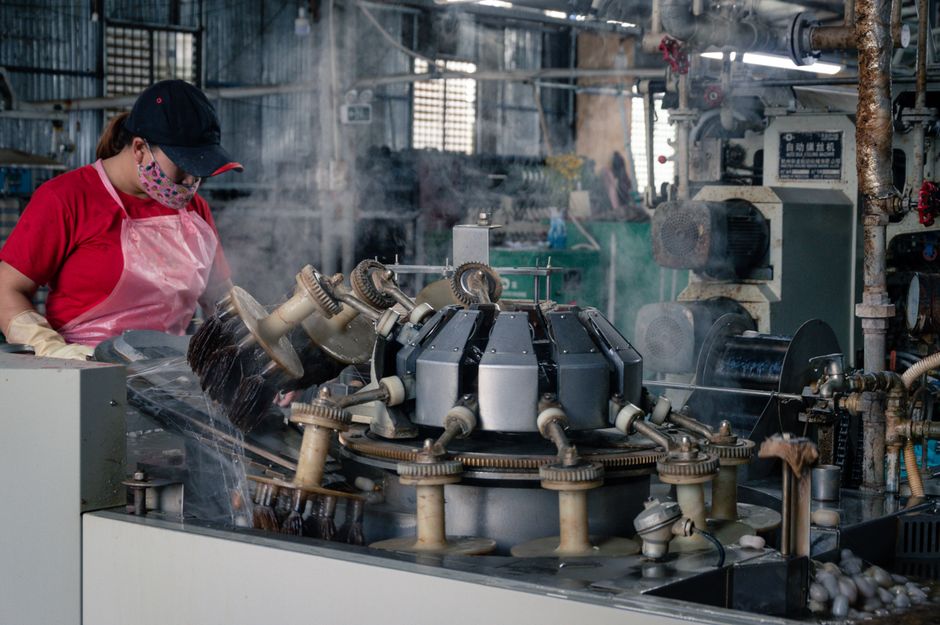
Rubber molding is a manufacturing process that involves shaping rubber material into specific forms using molds. This technique is widely used due to its efficiency and the ability to produce complex shapes that would be challenging to achieve through other methods. The process can be done using different techniques such as compression molding, injection molding, and transfer molding, each serving unique applications.
Compression molding is one of the oldest methods, where rubber is placed into a heated mold and allowed to form under pressure. Injection molding, on the other hand, injects rubber into a mold cavity, providing greater precision and reducing waste. Transfer molding combines the benefits of both, making it a versatile option for many manufacturers.
Each of these methods has its pros and cons, influencing the choice of manufacturer based on the specific requirements of a project. Understanding the differences can help businesses make informed decisions when selecting a manufacturer for their rubber components.
The Role of Rubber Molding Manufacturers
Manufacturers play a crucial role in the rubber molding process. They are responsible for sourcing high-quality materials, designing molds, and ensuring that the final products meet industry standards. A reputable manufacturer will have extensive experience and knowledge in working with various rubber materials, which can significantly impact the performance and durability of the final product.
In addition to technical expertise, manufacturers also need to be equipped with the latest technology and equipment. Advanced machinery allows for greater precision in the molding process, resulting in higher quality products. Furthermore, manufacturers that invest in research and development can provide innovative solutions that meet the evolving needs of their clients.
When selecting a rubber molding manufacturer, it is essential to consider their capabilities, experience, and reputation in the market. A thorough evaluation will help businesses ensure they are partnering with a reliable manufacturer who can deliver high-quality products consistently.
Factors to Consider When Choosing a Manufacturer
Choosing the right rubber molding manufacturer requires careful consideration of several factors. Here are some of the most critical aspects to evaluate:
Experience and Expertise: A manufacturer with a long-standing history in the industry is likely to have the knowledge and skills required to handle various projects effectively. Look for manufacturers who specialize in your specific type of rubber molding and have a proven track record of success.
Quality Control: Quality assurance is vital in rubber molding as it directly affects the performance of the end product. Ensure that the manufacturer has stringent quality control measures in place, including testing and certification processes.
Customization Capabilities: The ability to customize products according to client specifications is essential. A good manufacturer should be willing to work closely with clients to develop tailored solutions that meet their unique requirements.
Cost-Effectiveness: While cost should not be the only deciding factor, it is essential to evaluate the pricing structure of potential manufacturers. Compare quotes from different manufacturers while keeping in mind the quality of materials and services offered.
Trends in Rubber Molding
The rubber molding industry is continuously evolving, with new trends emerging to meet the demands of various sectors. One significant trend is the increased use of sustainable materials. Many manufacturers are now exploring eco-friendly rubber options, such as recycled rubber, to reduce their environmental impact.
Another trend is the integration of smart technology into the manufacturing process. Automation and advanced robotics are being used to improve efficiency and reduce labor costs, allowing manufacturers to deliver products more quickly and at a lower price.
Finally, the demand for more complex and intricate designs is on the rise. As industries look for innovative solutions, manufacturers are adapting their processes to create more sophisticated rubber components that cater to specialized applications.
Conclusion
In conclusion, understanding the role of rubber molding manufacturers is essential for businesses looking to produce high-quality rubber components. By evaluating the manufacturing processes, considering key factors when selecting a manufacturer, and staying informed about industry trends, companies can make better decisions that align with their needs. Whether it’s for automotive, industrial, or consumer products, partnering with the right manufacturer can significantly impact the success of your projects.