Understanding the Role of a Demolition Contractor
Demolition is a critical aspect of construction and renovation, yet it is often overlooked in discussions about building processes. The role of a demolition contractor is essential in ensuring that structures are safely and efficiently dismantled, paving the way for new developments. In this article, we will explore the various responsibilities, methods, and considerations that define the work of demolition contractors.
What Does a Demolition Contractor Do?
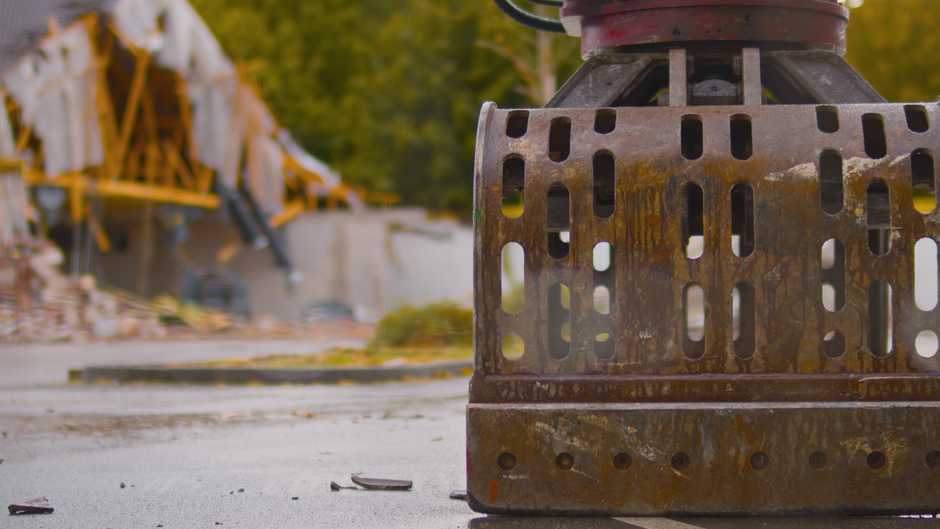
A demolition contractor specializes in the dismantling of buildings and structures. Their work involves a range of tasks including site assessment, planning, and the actual demolition process. Before any demolition can begin, contractors perform thorough evaluations to determine the safest and most efficient method for dismantling the structure.
These professionals must also be well-versed in local regulations and safety standards, which can vary significantly from one area to another. They often need to obtain permits and ensure compliance with environmental laws, especially when dealing with hazardous materials like asbestos or lead.
Furthermore, a contractor’s role extends beyond the physical tearing down of buildings. They are responsible for the proper disposal of debris and materials, which can include recycling efforts to minimize landfill waste. This is increasingly important as sustainability becomes a priority in the construction industry.
Different Types of Demolition Methods
Demolition contractors utilize various methods depending on the structure’s size, location, and materials. Some common methods include:
- Mechanical Demolition: This is the most common method, involving the use of heavy machinery like excavators and bulldozers. It is suitable for larger structures where speed is essential.
- Deconstruction: This method focuses on carefully dismantling a building to salvage materials for reuse. It is labor-intensive but environmentally friendly.
- Implosion: In urban areas, where space is limited, controlled explosions are used to collapse buildings inwardly. This method requires precise planning and execution to ensure safety.
Each method has its pros and cons, and the choice of technique often depends on the specific project requirements.
Safety Considerations in Demolition
Safety is paramount in demolition work. The risks associated with demolition can be significant, including the potential for accidental injuries, exposure to hazardous materials, and structural collapses. A reputable demolition contractor prioritizes safety by implementing rigorous protocols and training for their workers.
Contractors must conduct safety audits and risk assessments before commencing any project. This includes identifying potential hazards and ensuring that all workers are equipped with appropriate personal protective equipment (PPE).
Moreover, communication plays a crucial role in maintaining safety on-site. Regular meetings to discuss safety protocols and potential risks can help mitigate accidents and ensure that everyone is on the same page.
Choosing the Right Demolition Contractor
Selecting the right contractor for a demolition project can significantly impact the project’s outcome. It is essential to consider several factors when making this choice:
- Experience: Look for a contractor with a proven track record in demolition. Experience often correlates with knowledge of local regulations and safety standards.
- Reputation: Research potential contractors by reading reviews and asking for references. A good reputation can be an indicator of quality service.
- Insurance: Ensure that the contractor has adequate insurance coverage. This protects you from liability in case of accidents or damage during the demolition process.
- Cost Estimates: Obtain detailed quotes from multiple contractors. This will help you compare services and find a contractor that fits your budget.
By taking the time to choose the right demolition contractor, you can ensure a smoother demolition process and ultimately a more successful project.
The Future of Demolition
The demolition industry is evolving, with increasing emphasis on sustainability and safety. Innovations in technology, such as drones for site assessment and advanced machinery for precise demolition, are becoming more common. These advancements not only improve efficiency but also enhance safety measures.
Furthermore, as cities continue to grow, the demand for skilled demolition contractors is expected to rise. The need for responsible demolition practices, especially in urban areas, will drive changes in the industry, making it more crucial than ever to work with knowledgeable and experienced professionals.
Conclusion
In conclusion, the role of a demolition contractor is vital in the construction and renovation process. Their expertise ensures that buildings are dismantled safely and efficiently while adhering to regulations and environmental standards. Understanding the different methods, safety considerations, and selection criteria for contractors can help you navigate this critical aspect of construction projects. As the industry continues to evolve, staying informed about best practices and innovative techniques will be essential for anyone involved in the demolition process.